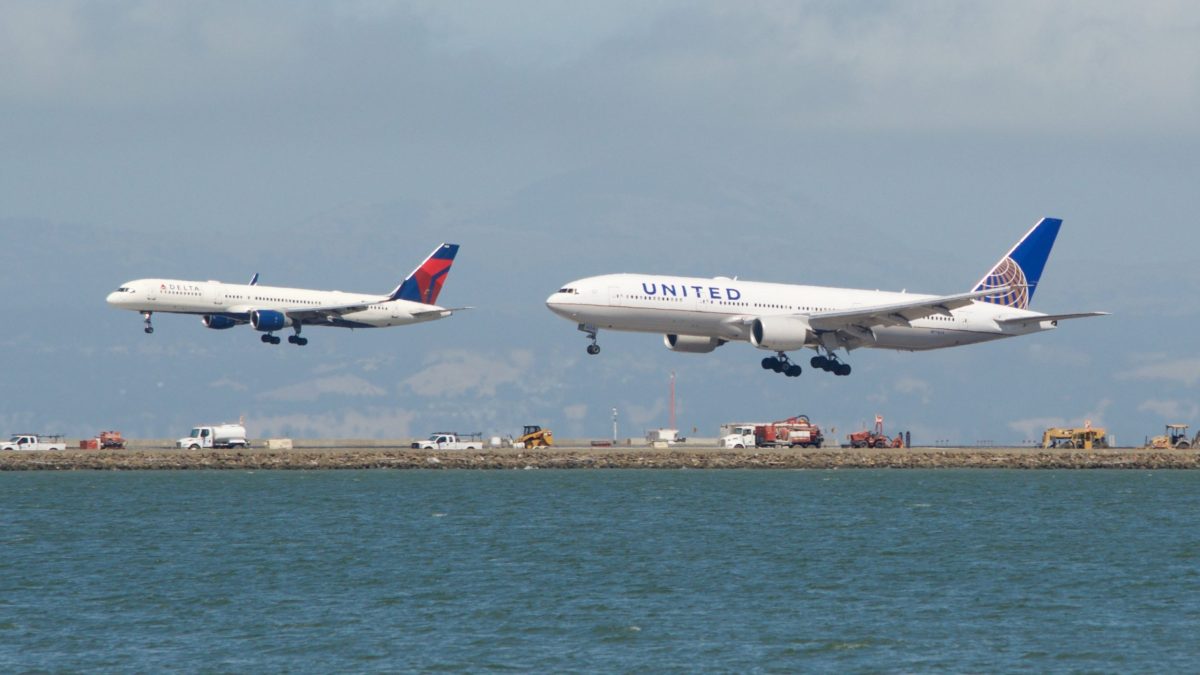
The skies between America and Israel are opening up again. Come September, travelers from the US will have real options for reaching Tel Aviv beyond the two Israeli carriers who've had a monopoly since late 2023. Delta touches down on September 6, followed by United on September 8, marking the first sustained return of major American carriers to the route in years.
Air traffic between the US and Israel hit a wall after October 7, 2023, when the Gaza war erupted. Regional instability and airspace closures forced Delta, United, and American Airlines to ground their Tel Aviv operations indefinitely. There was a brief moment in June 2025 when Delta tried to resume its Newark connection, but that lasted just 10 days before tensions between Israel and Iran forced another shutdown. Since then, El Al and Arkia have controlled the market almost entirely.
No competition means one thing: prices skyrocket. American travelers desperate to reach family or fulfill holiday obligations have been locked into whatever fares El Al decided to charge. Now, with three daily return flights coming online starting in September (Delta's daily New York service plus United's twice-daily Newark operation), the market dynamics should shift. Should being the operative word.
The catch nobody likes
Here's where the story gets frustrating. Mark Feldman, CEO of Jerusalem-based Ziontours, told the Jerusalem News Syndicate that both Delta and United are matching El Al's historically inflated ticket prices rather than undercutting them. So travelers looking for bargain fares will need to wait. "The planned resumption after months of absence by both Delta and United bodes well for the Israeli consumer," Feldman said, "but for now that's the reality." Translation: don't expect a price war anytime soon, even with fresh competition.
The timing at least works in travelers' favor. The High Holidays fall in late September and early October, making the September start date convenient for families and observant Jews making the pilgrimage. Delta will deploy its Airbus A330-900neo, which seats passengers across multiple cabin classes including Delta One and Delta Premium Select. United's exact aircraft hasn't been specified, though both airlines emphasize they've reviewed regional security conditions thoroughly before committing to the routes.
A gradual ramp-up through the fall
The rollout isn't happening all at once. United plans to add flights from Chicago and Washington, D.C. in October. Delta will launch Atlanta service in December. American Airlines won't join the party until spring 2027, pushing its return further into the distance.
What does this mean for travelers? You finally have breathing room in the market. For months, you were trapped with limited options and premium pricing. Now there's genuine choice between American and Israeli carriers. Whether prices actually drop depends on how aggressively these airlines compete, and early signals suggest they're playing it cautiously. Still, the psychological relief of having alternatives might matter just as much as finding the absolute lowest fare. You can actually compare options rather than accept whatever's available.
The bigger picture matters too. This represents a genuine shift in travel connectivity between two regions that have been isolated from each other. Direct routes between the US and the Middle East have faced decades of complications, so watching major carriers take the risk to resume Tel Aviv flights signals confidence that stability is holding. Airlines don't gamble on routes they think will collapse within weeks.
For American travelers planning a trip to Israel, autumn 2026 marks the moment when your journey stops being an exercise in logistics and starts being just another trip. That's worth celebrating, even if the ticket prices aren't bargains yet.