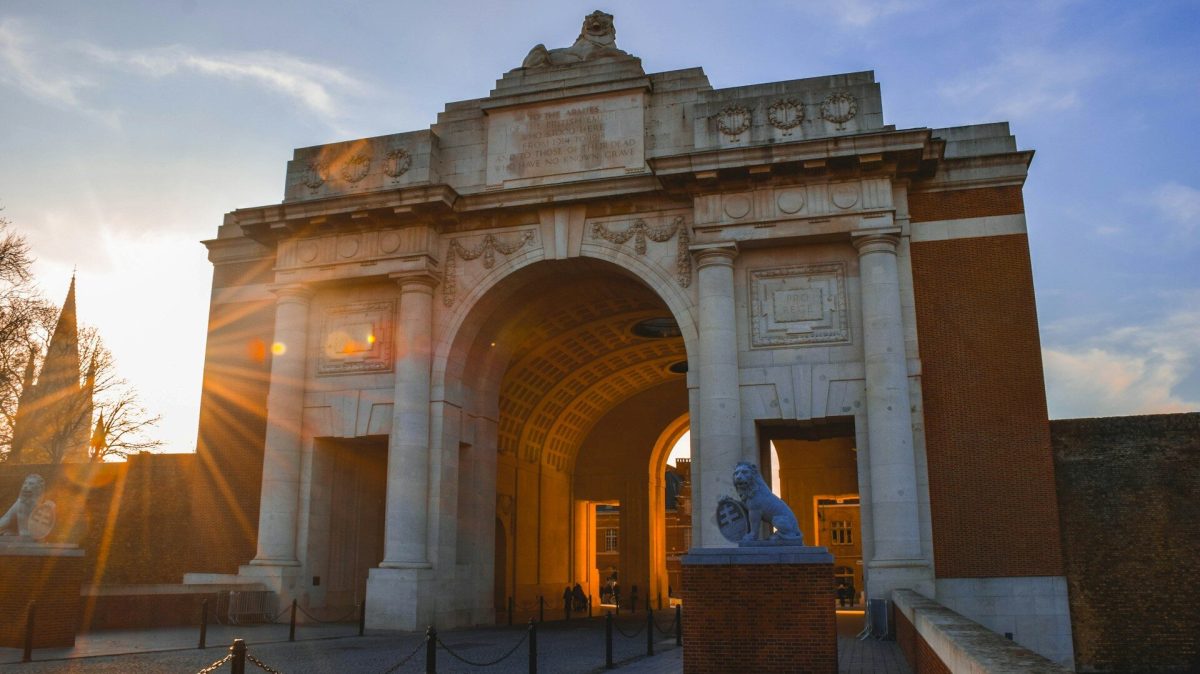
Every evening in Ypres, buglers play the Last Post beneath an ornate stone gateway. They have done this for nearly a century, their notes echoing off the Menin Gate as the names of 54,000 missing soldiers seem to listen from the stone. Next year, those buglers will mark a significant milestone: 100 years since this ritual began. It is one of several major anniversaries converging on West Flanders in 2027 and 2028, and the region is preparing something substantial to mark the moment.
West Flanders is rolling out an ambitious remembrance tourism campaign called "Monuments & Moments," backed by an 8-million-euro investment from the Flemish government and provincial authorities. The push runs from June 2027 through November 2028 and aims to do something tricky: honor the past while speaking directly to travelers today about what peace costs and why it matters.
A Landscape Haunted by History
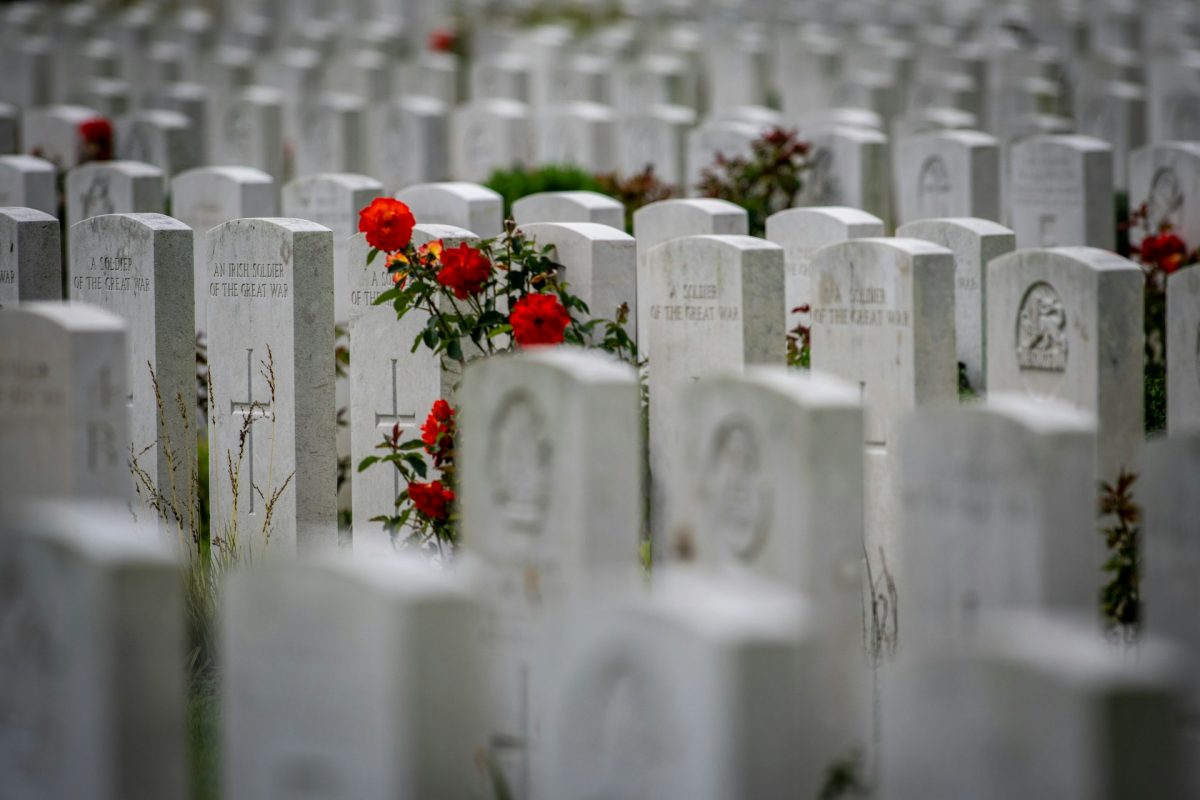
The Westhoek region in Belgium's far west carries the weight of its own geography. During the First World War, this area became a grinding front line between German and Allied forces. Trenches carved the land. Shells reshuffled the earth. Today, cemeteries and monuments punctuate what was once devastation. The preserved trenches still tell their stories. Several of these burial grounds hold UNESCO World Heritage status as part of the First World War's global memory.
The region is no quiet backwater anymore. Last year, nearly 365,000 people visited its museums and battlefield sites. About half came from abroad, with British travelers making up a large portion. These visitors are drawn by something beyond tourism: they come to understand, to mourn, to feel the weight of what happened on these fields.
The Centennaries That Sparked a Campaign
What makes 2027 and 2028 special is that many of the region's most important memorials hit their own 100-year mark during these years. In 1927 and 1928, a wave of monument dedications swept across the Westhoek. Families traveled to place names in stone. Communities gathered to remember their dead. The Tyne Cot Memorial celebrates its centennial on June 19, 2027. The Menin Gate follows on July 24, 2027. The Trench of Death and the Yser Pilgrimage, among others, will mark their own milestones over the coming months.
July 2, 2028 brings another significance: 100 years since the Last Post ceremony began beneath the Menin Gate. That single note on a bugle, repeated nightly for a century, has become one of Europe's most moving rituals.
A Museum Reimagined for Now
The money is flowing into concrete improvements. Four million euros will go to completely overhaul the In Flanders Fields Museum in Ypres. The museum will shed its older design and emerge with fresh exhibitions that speak to contemporary audiences. Another four million euros will fund accessibility upgrades and restoration work at remembrance sites across the region. A formal call for project proposals launches in spring 2026, inviting both local and international organizations to shape how these spaces evolve.
The broader goal is to make these sites relevant for peace education while maintaining their weight and authenticity. The region learned a lesson from its centenary programming between 2014 and 2018: momentum fades. Without investment and fresh context, even sacred places can feel stale to the next generation.
Why This Matters Now
Tourism officials and government leaders are explicit about why they are doubling down on remembrance now. The First World War is not locked in the past; its lessons speak to contemporary tensions and threats to stability. Regional leaders argue that by connecting historical atrocity with current reflection on peace and conflict, travelers gain something more than a museum visit. They gain perspective.
The campaign will shape exhibitions, events, and educational programs around themes like loss, reconciliation, and what freedom actually requires. West Flanders is betting that travelers will come not just to see a grave or read a plaque, but to reckon with what these landscapes represent.
A Destination for Difficult History
West Flanders has built a global reputation as a custodian of First World War memory. The cemeteries are immaculately maintained. The museums are serious and thoughtful. The preserved trenches give visitors a physical sense of the conflict's grinding reality. The region has earned its place as one of Europe's leading destinations for those who want to understand this history.
If you're planning a trip to Belgium in 2027 or 2028, West Flanders offers something rarer than most tourist destinations: a landscape that forces you to slow down and think. The bugles will still play at dusk beneath the Menin Gate. The stones will still carry those thousands of names. And now, with a major refresh underway, the region will have new ways to help travelers understand why remembering matters.