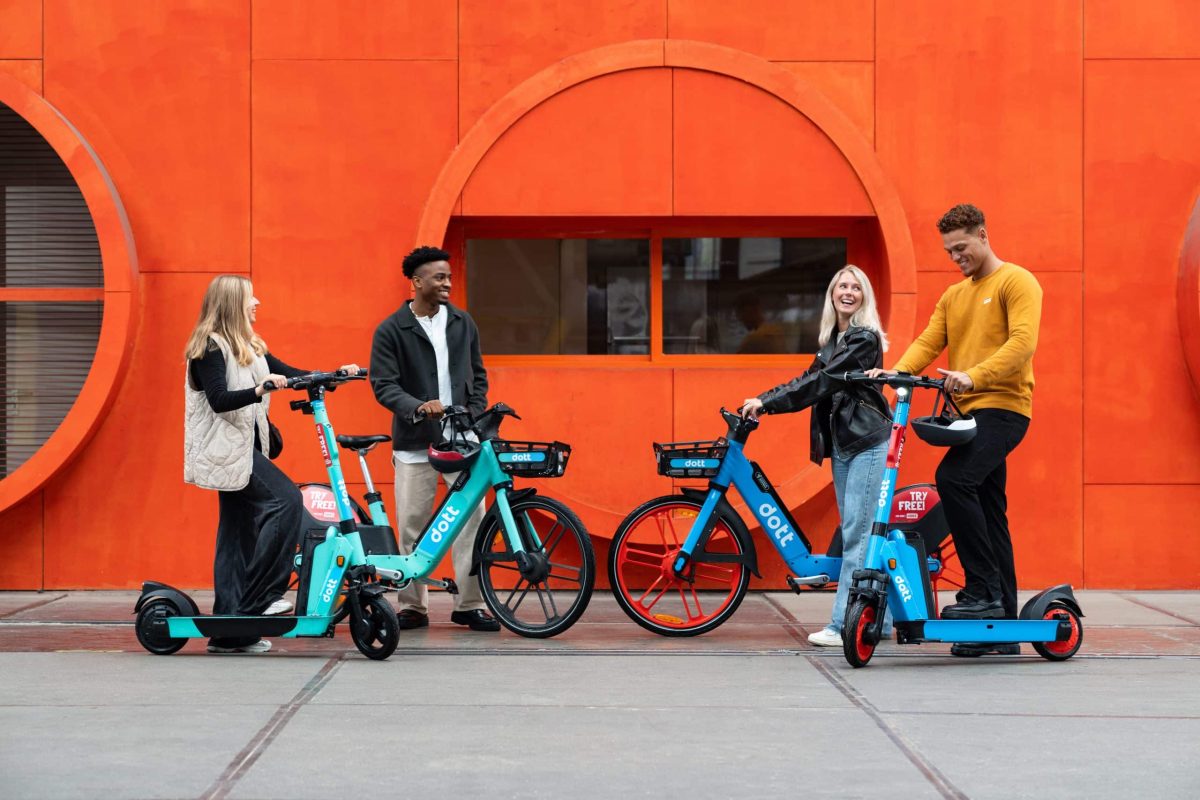
Belgium has drawn a line in the sand. Starting September 1st, 2026, anyone riding an electric scooter capable of reaching speeds above 20 kilometers per hour must wear a helmet. No exceptions. No wiggle room. The Federal Service of Mobility and Transport has made the call, and it applies whether you're cruising at top speed or puttering along at a leisurely pace.
For travelers used to grabbing a rental scooter for a quick zip across town, this is worth knowing before you book your next Belgian city break. The helmet must cover your temples and the back of your head and meet the EN1078 safety standard. You can choose whatever type you like, as long as it protects the right areas. Brussels has already taken things further, banning scooters capable of speeds above 25 kilometers per hour entirely, which means shared fleets from companies like Bolt, Dott, and Lime are being phased out by December 2026.
Why the sudden crackdown? Medical data tells a sobering story. Since electric scooters first rolled onto city streets around the world, emergency rooms have watched head injuries spike. Many riders treat their rented scooters like toys, hopping on without protective gear or any real understanding of what happens when you hit pavement at speed. Medical professionals and accident statistics from across Europe paint a consistent picture: serious and fatal scooter accidents involve head and brain injuries at alarming rates.
Between 2024 and 2025, Belgium recorded a 26 percent jump in scooter-related accidents. Some industry observers, like former scooter lobbyist Peter Beckett, argue that shared scooter trips increased by the same percentage, so accidents per trip haven't actually gotten worse. Fair point on the math. But when safety experts measure road danger, they look at injuries per million inhabitants, not per trip, because that reflects the total burden on society. By that measure, scooters have created a genuine problem.
Beyond safety, Belgian cities have grown frustrated with the chaos these devices create. Parks and streets are cluttered with discarded scooters. Pedestrians with vision impairments or mobility issues find them blocking sidewalks and creating obstacles. The novelty wore off fast for locals watching rental fleets pile up everywhere.
If you're bringing your own personal scooter to Belgium, the rules apply to you too. Ride anything capable of exceeding 20 kilometers per hour, and you need a helmet. No one under 16 is allowed on a scooter at all. Personal scooters must stay under 25 kilometers per hour in places like Brussels, though private ownership remains legal as long as riders follow all the safety requirements.
Here's what's strange: Belgium treats bicycles differently. Even an e-bike that can hit 25 kilometers per hour only requires a helmet if it's electric and exceeds that speed. Regular bikes? Helmet optional, even for kids. For years, Belgian cycling advice focused on riding technique and defensive behavior rather than protective gear, even as Brussels logs roughly a thousand bike-related injuries annually.
Belgium's overall road safety record sits in the middle of Europe's rankings. The country records about double the annual fatalities per million inhabitants compared to safety leaders like Norway, Sweden, and the UK. The helmet mandate for fast scooters is part of a broader effort to reverse that trend.
For travelers planning a visit to Belgian cities like Antwerp, Ghent, or Charleroi, this change is worth factoring into your urban exploration plans. Rental scooter options may be more limited than you'd find in other European capitals. If you do rent one, budget for a helmet, and don't assume speed limits are being enforced on every ride. Better safe than spending your vacation in a Belgian hospital. That's not the memorable travel story anyone wants.