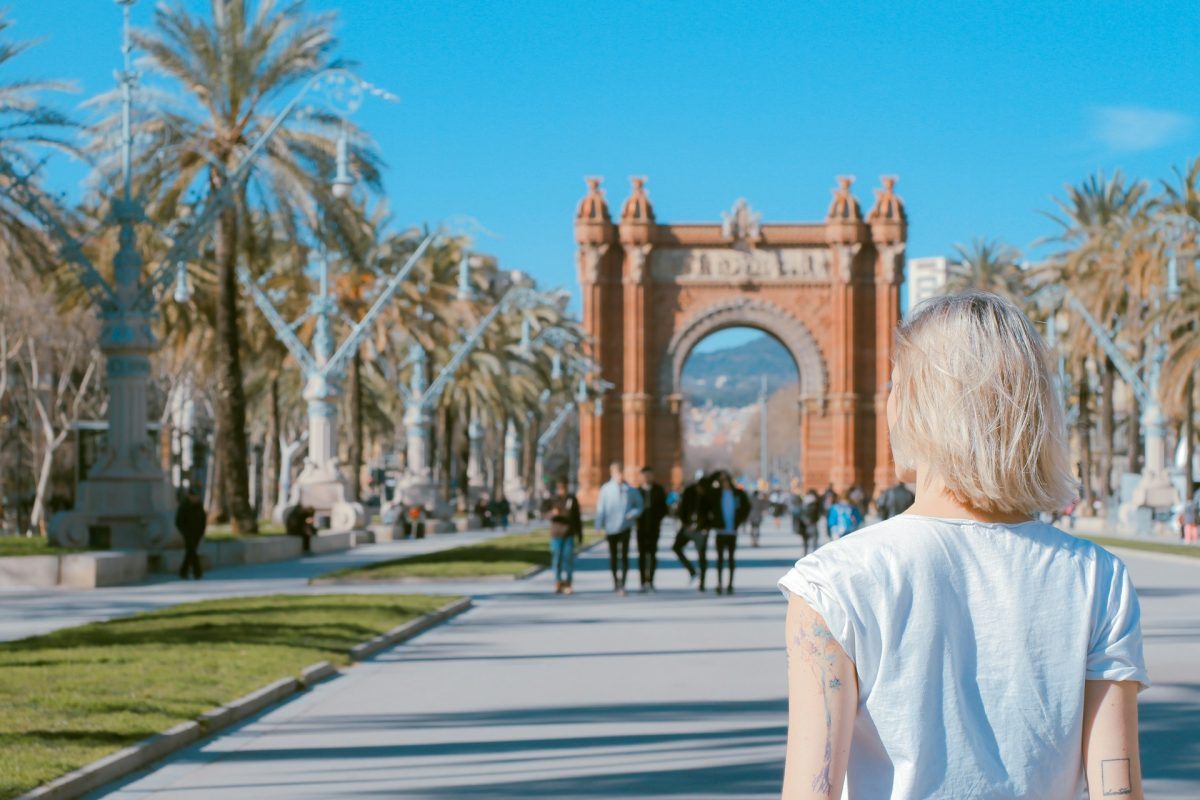
Barcelona has reached a breaking point. With nearly 16 million visitors flooding the city annually and locals increasingly priced out of their own neighborhoods, Catalonian authorities are taking drastic action. Come April 2026, the price of visiting this architectural masterpiece just got steeper.
The Catalan government is doubling overnight tourism taxes in what will become one of Europe's highest visitor levies. If you're booking a room here, you'll need to budget significantly more than you do today.
What Travelers Will Actually Pay
The new structure divides costs by accommodation type. Short-term rental guests (think Airbnb) will see taxes jump from €6.25 to a maximum of €12.50 per night. Hotel stays climb from €5-€7.50 to €10-€15 per night, depending on the property's star rating.
Picture this: a four-star hotel stay for two nights could add €45.60 in taxes alone to your bill. Five-star properties hit the ceiling at €15 per person per night. For context, Amsterdam now charges visitors €18.45 daily, so Barcelona isn't quite there yet. But it's close.
Here's where things get weird. The tax structure actually penalizes hotels while being lighter on short-term rentals. Hotel guests pay more than Airbnb users, which seems backwards when the city is actively trying to eliminate tourist rental apartments. One local hotelier, Manel Casals, put it plainly: "One day they will kill the goose that lays the golden eggs."
Why Barcelona Is Making This Move
The motivation is genuine and urgent. Housing affordability has become a crisis. Long-term residents are being pushed out as landlords convert apartments into short-term tourist rentals. The city's exploding popularity, which accelerated after successfully hosting the 1992 Olympics, has created a perfect storm: too many visitors, too few affordable homes, and infrastructure struggling to keep up.
Barcelona now ranks in the world's top four destinations for business tourism (MICE: Meetings, Incentives, Conferences, and Exhibitions). Cruise ships drop thousands of passengers daily. The crowds are relentless, and resentment is growing. Anti-tourism protests have become common across Barcelona and other European cities facing similar pressures.
Where the Money Goes
Authorities estimate the tax will generate roughly €100 million annually. Starting in 2026, that money feeds a Tourism Reinvestment Fund targeting improvements where locals actually live. Public transport upgrades, security enhancements, and sustainability projects in high-traffic neighborhoods are on the agenda. Most importantly, at least 25 percent of revenues will directly convert short-term rental apartments back into permanent housing for residents.
It's a gamble. The city is betting that higher costs will discourage some casual visitors while the improvements funded by those taxes make Barcelona more livable for the people who call it home.
Cruise Passengers Get a Break
One surprising detail: cruise passengers continue paying just €6 per person per night. Environmental advocates have criticized this, pointing out that cruise tourism often carries the highest ecological footprint. The disparity suggests politics may have played a role in the final tax structure.
What This Means for Your Barcelona Plans
If you're thinking about visiting Barcelona after April 2026, factor in these new costs when budgeting. A week-long hotel stay could easily add €70-€105 in taxes. Multi-night trips become noticeably more expensive. Budget travelers might find themselves reconsidering the length or timing of their visit, which is precisely what city planners hope will happen.
The experiment is worth watching. Barcelona is placing a bet that you'll pay more to get less crowding and a better experience. Whether that gamble pays off for the city, its residents, and its tourism industry remains to be seen.