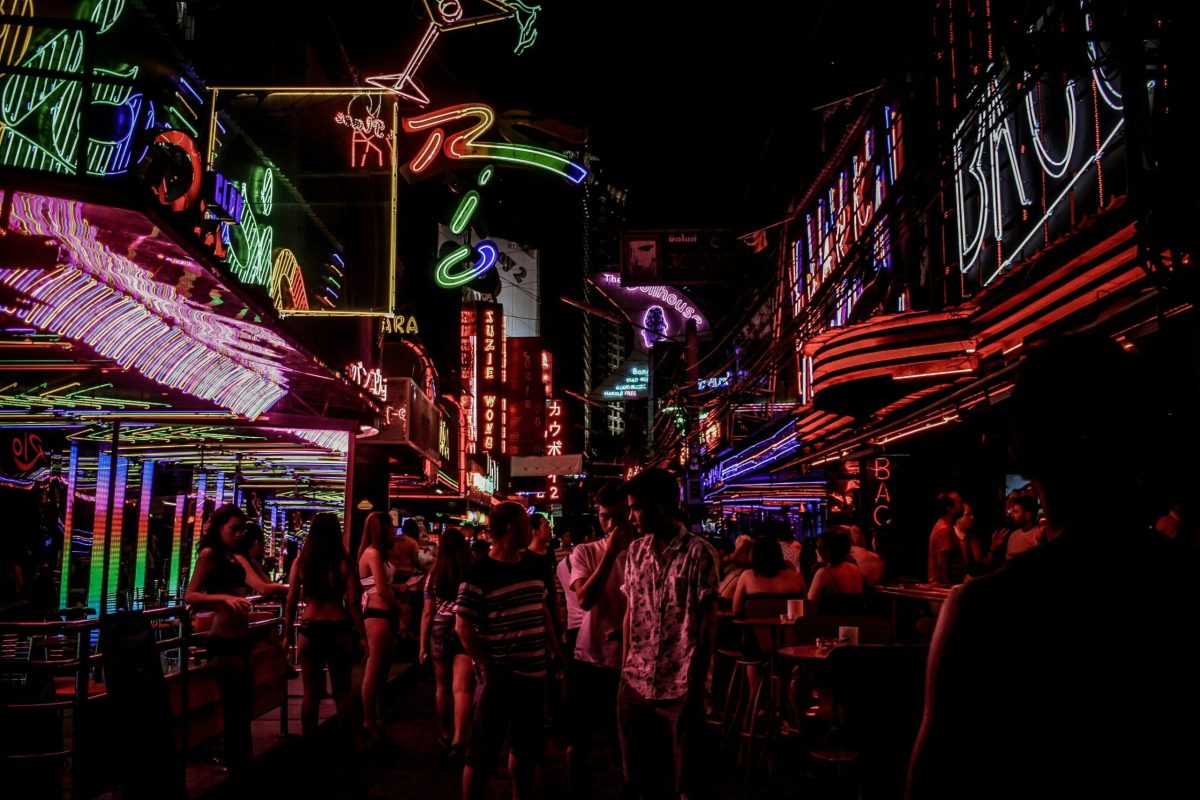
When Time Out released its 2026 nightlife rankings based on surveys from over 24,000 residents across 150 cities, one destination shocked observers by vaulting to the very top. Bangkok, which ranked 13th just twelve months earlier, is now the world's best city for chasing a great night out. It's a dramatic shift that reveals something larger about where travelers want to spend their evenings.
The rankings weren't assembled by algorithm alone. Time Out combined resident feedback with assessments from editors and city experts, weighing everything from affordability and quality to safety, diversity, and genuine community vibes after dark. In other words, this reflects what locals actually think, not what guidebooks prescribe.
Why Bangkok owns the night
Bangkok's nightlife doesn't confine itself to clubs and bars. Instead, it spills recklessly onto the streets, turning entire neighborhoods into after-dark playgrounds. Chinatown's Soi Nana buzzes with cocktail bars like G.O.D, Tep Bar, Ba Hao, and Bar Temp, where you can order a drink and watch the city's energy shift in real time. The experience feels less choreographed than organic, less touristy than authentic.
Beyond cocktails, the city offers serious dance clubs hosting major DJ sets curated by local collectives. Then there's Sing Sing Theater, the red-lanterned cabaret mega-club that even earned screen time in The White Lotus season three. Layer in late-night food courts, rooftop venues, and dedicated LGBTQ+ nightlife spaces, and Bangkok becomes less a single scene and more a constellation of them. Visitors can spend one night in upscale lounges and another in basement speakeasies without repeating the experience.
The numbers back this up. Among Bangkok residents surveyed, 73 percent called the nightlife either "good" or "amazing." The same percentage reported it's easy to find community and connection after dark. Time Out's expert panel awarded Bangkok a remarkable 95 percent approval score.
Berlin holds Europe's crown, but change is coming
Berlin landed in second place globally, making it the top European destination on the list. That's no small feat given Europe's legendary nightlife heritage. The German capital earned a 78 percent approval rating from residents and a perfect 100 percent from Time Out's expert panel.
Yet Berlin's standing comes with caveats. The city faces mounting pressure from rising rents and redevelopment projects. Locals and critics use a term for what's happening: "Clubsterben," or the slow death of Berlin's storied club culture. Meanwhile, the city is pursuing something potentially protective: reclassifying clubs as cultural institutions rather than purely commercial enterprises. UNESCO added Berlin's techno culture to its intangible cultural heritage list in 2024, a recognition that hints at both the scene's global significance and its fragility.
The complete global top 10
Beyond Bangkok and Berlin, the rankings tell an interesting story. New York City rounds out the top three, followed by Melbourne in fourth and São Paulo in fifth. Medellín, Johannesburg, Brighton, Beijing, and Amsterdam fill out the rest of the top ten.
Europe, despite its storied club traditions, has only three representatives in the top ten. Brighton stands out for its community aspect, with 84 percent of residents saying it's easy to meet people and feel connected to the city. Amsterdam scores points for decentralized nightlife. Rather than clustering around a few hot spots, excellent bars and late-night venues scatter across neighborhoods like Noord, Oost, De Pijp, and Jordaan. Spots like Garage Noord, Pllek, Loop 51, and Door 74 ensure you'll find something worthwhile within walking distance wherever you stay.
How nightlife itself is changing
These rankings reflect a larger shift in how people spend their nights out. Street parties and rooftop raves are gaining ground. Travelers increasingly explore entire nightlife districts rather than camping at two or three marquee venues. The days of the single megaclub drawing everyone in one room feel less appealing than they once did.
Bangkok's ascent makes sense in this context. The city doesn't ask you to choose between a club scene or a cocktail bar scene or a late-night food scene. It offers all of them simultaneously, accessible, affordable, and welcoming. As Europe continues to dominate certain travel categories, Bangkok's rise signals that curious travelers are looking beyond traditional hubs for authentic nocturnal experiences.
If you're planning a trip with nightlife in mind, Bangkok has earned its new reputation. Whether you want to navigate neon-soaked Chinatown streets, catch international DJ sets, or eat pad thai at 3 a.m. surrounded by locals, the Thai capital delivers in ways few cities can match.