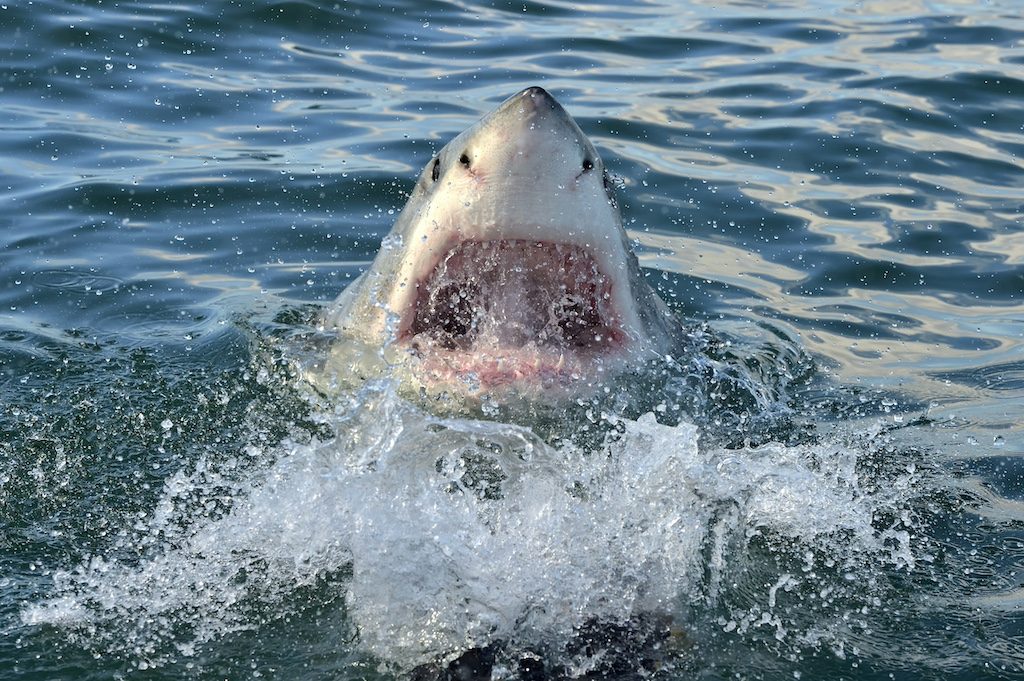
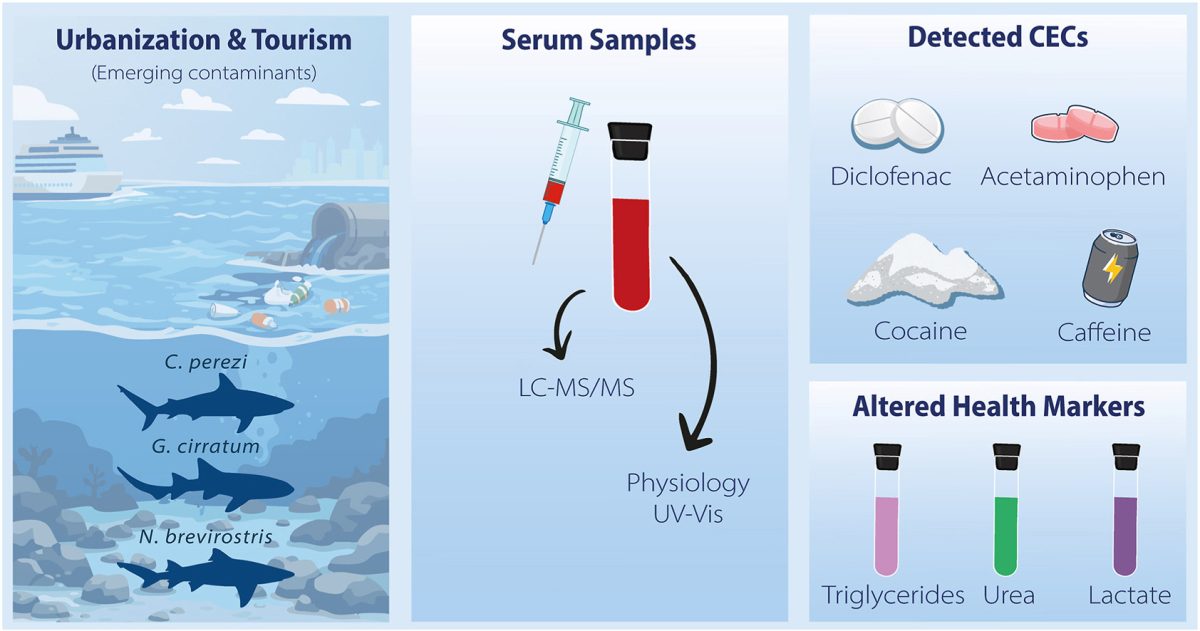
If you've ever worried about what lurks beneath the waves during a Caribbean beach vacation, there's a new concern on the radar. Scientists examining sharks near Eleuthera in the Bahamas discovered something bizarre: nearly a third of the creatures they tested were carrying detectable levels of cocaine, caffeine, acetaminophen, and other pharmaceuticals in their systems.
The findings, published in Environmental Pollution, involved 85 sharks across five species. Caribbean Reef Sharks, Atlantic Nurse Sharks, and Lemon Sharks showed metabolic evidence of drug exposure. Blacktip and Tiger Sharks tested clean. The research team, led by biologist Natascha Wosnick from Federal University of Paraná in Brazil, has published their findings raising serious questions about ocean contamination in tourist-heavy regions.
What happens when apex predators consume stimulants? That's still mostly unknown. Wosnick and her team are investigating whether caffeine and cocaine affect shark aggression or hunting behavior. Some coastal reports describe unusual shark activity, including a famously reclusive hammerhead species caught on camera during Shark Week appearing to actively hunt divers. Studies on goldfish suggest caffeine boosts their energy and focus, so similar effects in sharks aren't out of the question.
The health risks appear real and immediate. Several sharks examined showed signs of drug-related kidney disease, including elevated levels of lactate, triglycerides, and urea. Their bodies were reacting to the chemical load in ways that suggest genuine damage.
But here's the mystery that's stumped researchers: how exactly are sharks getting high? The leading theories point to human behavior and coastal infrastructure. Sewage dumped into waterways is one likely culprit. Some local fishermen claim they've witnessed sharks chasing packets of cocaine that drug smugglers toss overboard. Party tourism in the region, with visitors urinating and disposing of waste in the ocean, adds another layer of pollution. Wosnick was blunt about the root cause: "It's mostly because people are going there, peeing in the water and dumping their sewage in the water."
Eleuthera, one of the Bahamas' quieter islands, isn't a tourism powerhouse like Nassau or other major Caribbean destinations. Yet contamination is still widespread there. That's a sobering reminder of how ocean systems work. The Caribbean depends enormously on tourism revenue, with some island nations deriving up to 90 percent of their GDP from visitors. The region's coastal infrastructure, tourism developments, and marine ecosystems are all tangled together. What happens on land quickly reaches the reef and the creatures living there.
For travelers planning trips to the Caribbean, the research doesn't mean staying away from the water. It's a signal that the health of marine environments depends on responsible tourism and better coastal management. Before your next island getaway, consider how you'll minimize your impact. Use reef-safe sunscreen, dispose of waste properly, and support destinations that invest in wastewater treatment and environmental protection.
Tracy Fanara, a Florida oceanographer who reviewed the study, calls it a wake-up call about connectivity. Your beach day, the sharks offshore, and the sewage systems on land are all part of one interconnected system. The more we understand that link, the better choices we can make as travelers and global citizens.