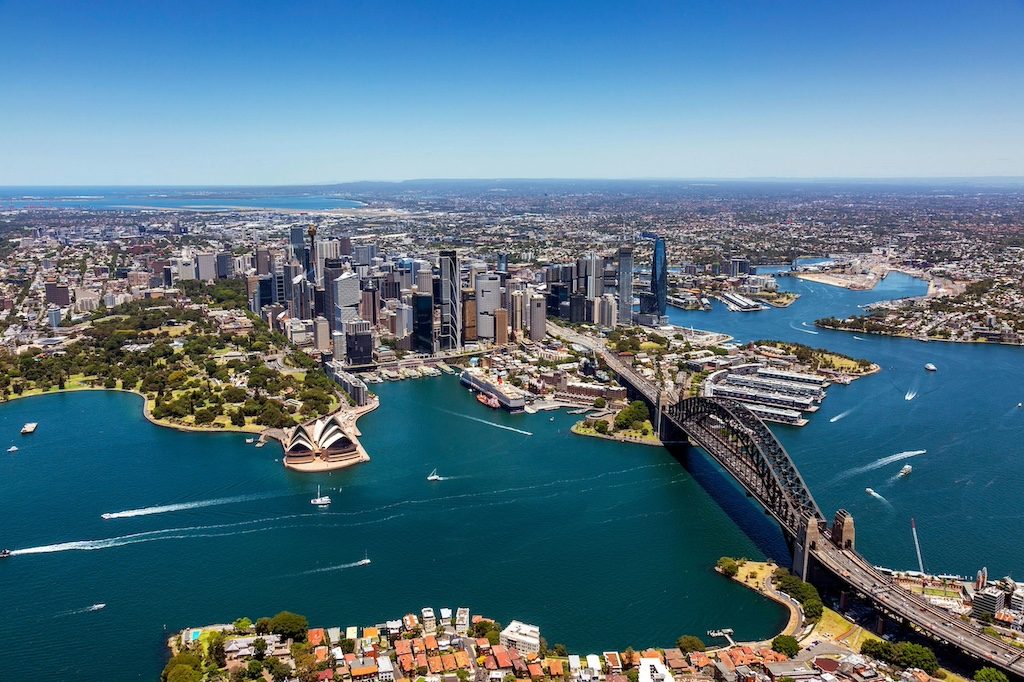
Australia has long been a dream destination for travelers, but the land of kangaroos and stunning coastlines is now tightening its borders. The government has announced a sweeping immigration crackdown that includes detaining visitors who overstay their visas, a move that could change how tourists plan their trips.
Home Affairs Minister Tony Burke unveiled the plan at the National Press Club, revealing that the Australian Border Force will hire 100 new compliance officers to track down and detain the roughly 77,000 people currently in the country without a valid visa. Burke said the goal is to reinstate "consequences" for overstaying, a practice that was routine until 2015. Back then, overstayers were taken to detention centers, which prompted many to "organise their own flight and leave" within weeks.
The government plans to add 250 detention beds and is even considering converting a former quarantine facility in Melbourne. But Burke was quick to distance the policy from the aggressive tactics of US Immigration and Customs Enforcement. "This is not the sort of operation that some people have seen on TV happening in other countries," he said.
Closing the Loopholes
Beyond detention, the government is targeting so-called "visa hoppers," foreigners who jump from one temporary visa to another to extend their stay. Under the proposed changes, a "No Further Stay" provision would prevent tourists on a visitor visa from applying for other visas while in the country. International students would also face stricter rules, needing to show they are progressing toward higher qualifications rather than cycling through lower-level courses.
Other reforms include barring family members from accompanying international students and introducing a ballot system for working holiday visas. These changes are part of a broader effort to restore confidence in Australia's migration system, which has come under scrutiny in recent years.
Mixed Reactions
Human rights groups have already raised alarms, questioning the legality of punitive detention. Rebecca Eckard, policy director at the Refugee Council of Australia, told AFP that the move "is being framed as punitive to change behaviours," which she argues is not permitted under Australia's immigration act. The tourism industry is also worried. Erin McLeod, CEO of the Australian Tourism Industry Council, warned that the crackdown could damage Australia's reputation as a welcoming destination. "Tourism is an important part of the Australian economy," she said.
Assistant Foreign Affairs Minister Matt Thistlethwaite defended the measures, telling News24 that the deterrent effect will be powerful. "Once the word gets around, 'hey, I overstayed on my tourist visa for a couple of weeks, I got picked up and I spent a couple of weeks in immigration detention, it's not a nice place, I'm going home'," he said. "Once that gets around, then we think that obviously that deterrence will ensure that people abide by the conditions."
For travelers, the key takeaway is simple: respect your visa conditions. Australia remains a top destination, attracting millions of visitors each year, but the rules are getting stricter. If you're planning a trip, make sure you understand your visa's expiry date and any conditions attached. And if you're thinking about extending your stay, the new rules could make that much harder.
These changes come on the heels of other travel-related updates, like Australia's exit fee increase and tighter passport rules for ferries. It's a reminder that travel rules are always evolving, and staying informed is part of being a savvy traveler.
Whether you're a backpacker on a working holiday or a family on vacation, the message is clear: Australia is watching. So pack your bags, enjoy the trip, and make sure you leave on time.