Here's some genuinely great news for wanderers who've been eyeing Armenia but got hung up on the visa paperwork. Starting January 2026, the country is throwing open its doors to passport holders from 113 nations, including most of Europe, the United States, and the UAE. You can stay for up to 180 days in a single year without filing a single form. This window stays open through July 1, 2026, giving you a solid 18-month head start before the rules potentially revert.
The Armenian government isn't hiding its play here. Tourism officials want more people knocking on their door, and removing the friction of visa applications is the clearest way to make that happen. As Lusine Gevorgyan, Armenia's Tourism Committee chairman, put it: "Armenia is open and welcoming, and we look forward to sharing our culture, landscapes and hospitality with more visitors throughout 2026." Translation: they're serious about making spontaneous travel here actually possible.
Why Armenia, and Why Now
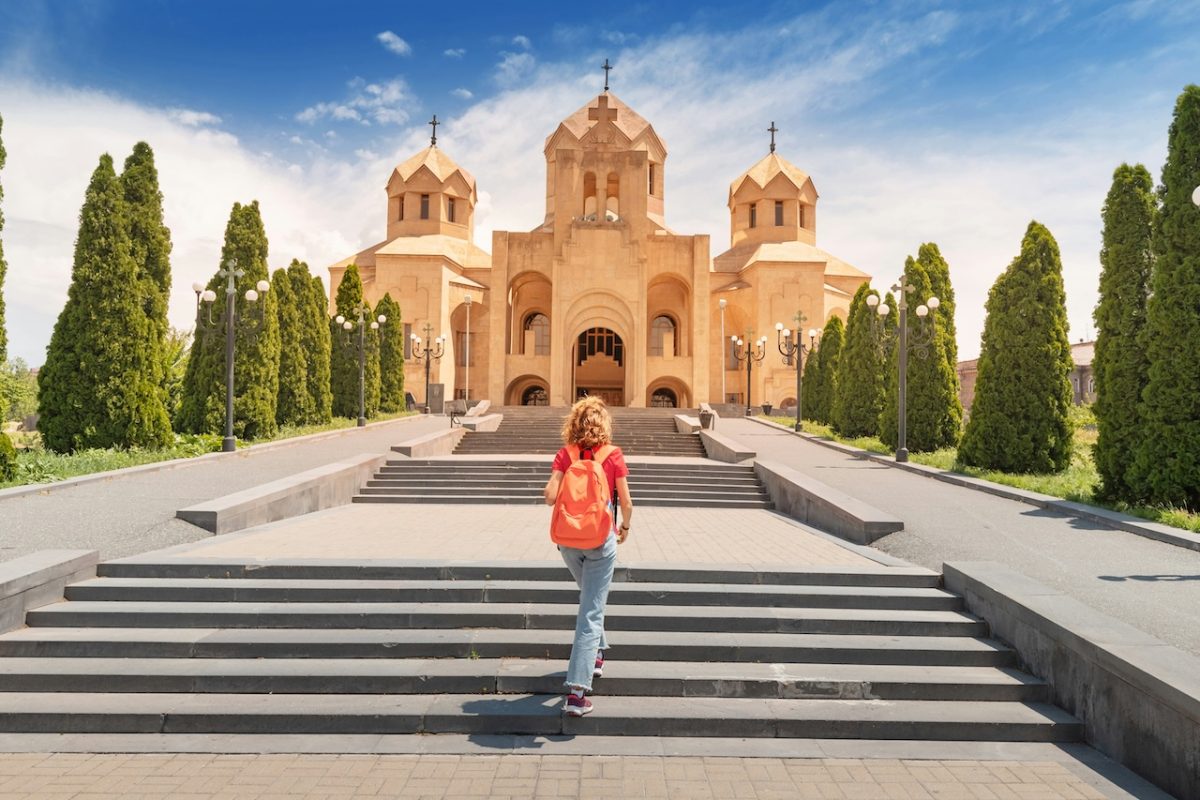
For anyone unfamiliar with the place, Armenia sits in the South Caucasus, a landlocked pocket of the world that's been off most casual travelers' radars. That's a shame. The country punches way above its weight when it comes to raw travel appeal. You've got 10th-century monasteries carved into mountain ridges, a food scene that'll make you rethink what you thought you knew about grape leaves and grilled meat, and Yerevan, the capital, which somehow manages to feel both Soviet-nostalgic and contemporaneous at the same time.
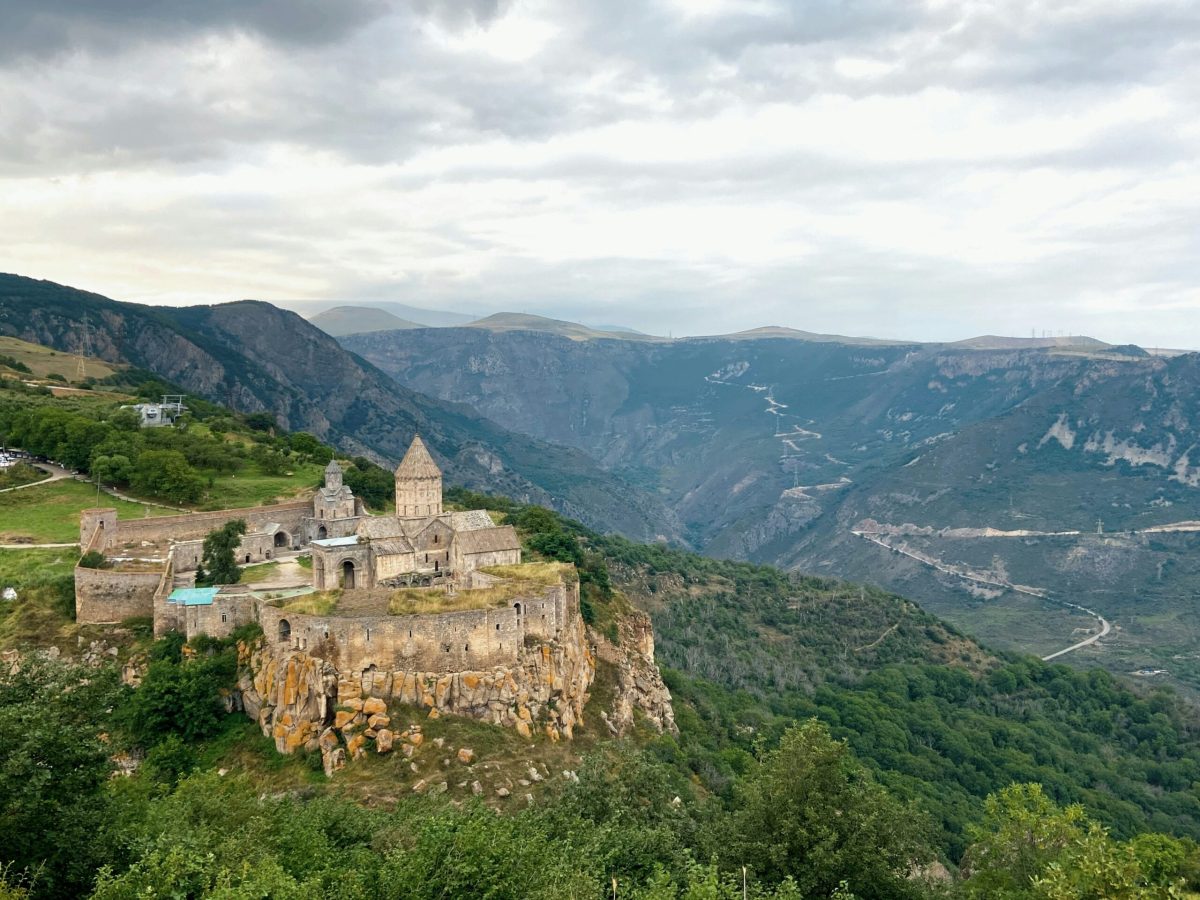
Medieval stone monasteries like Haghpat and Sanahin sit in the northern Lori region, their thick walls watching over valleys that drop away to nothing. Both are UNESCO-recognized, and both were once major learning centers where monks did the serious intellectual work of keeping knowledge alive through darker times. Then there's Tatev Monastery, perched on the edge of the Vorotan River Gorge in Syunik Province. Built in the 9th century, it once housed over 1,000 monks and their craftsmen. Today it offers sweeping views across mountains and the vertigo-inducing drop of 850 meters straight down to the river below.
Beyond the Stones
If you're not an ancient-monastery person, Armenia has plenty else. The Lesser Caucasus Mountains run through the country with their own logic, offering serious trekking routes like the Transcaucasian Trail, which stretches over 800 kilometers through shifting terrain. Come winter, the skiing isn't famous, which means it's cheaper and far less crowded than the Alps. Tsaghkadzor has more than 30 kilometers of trails, while Myler Mountain Resort offers more modern amenities if you want them.
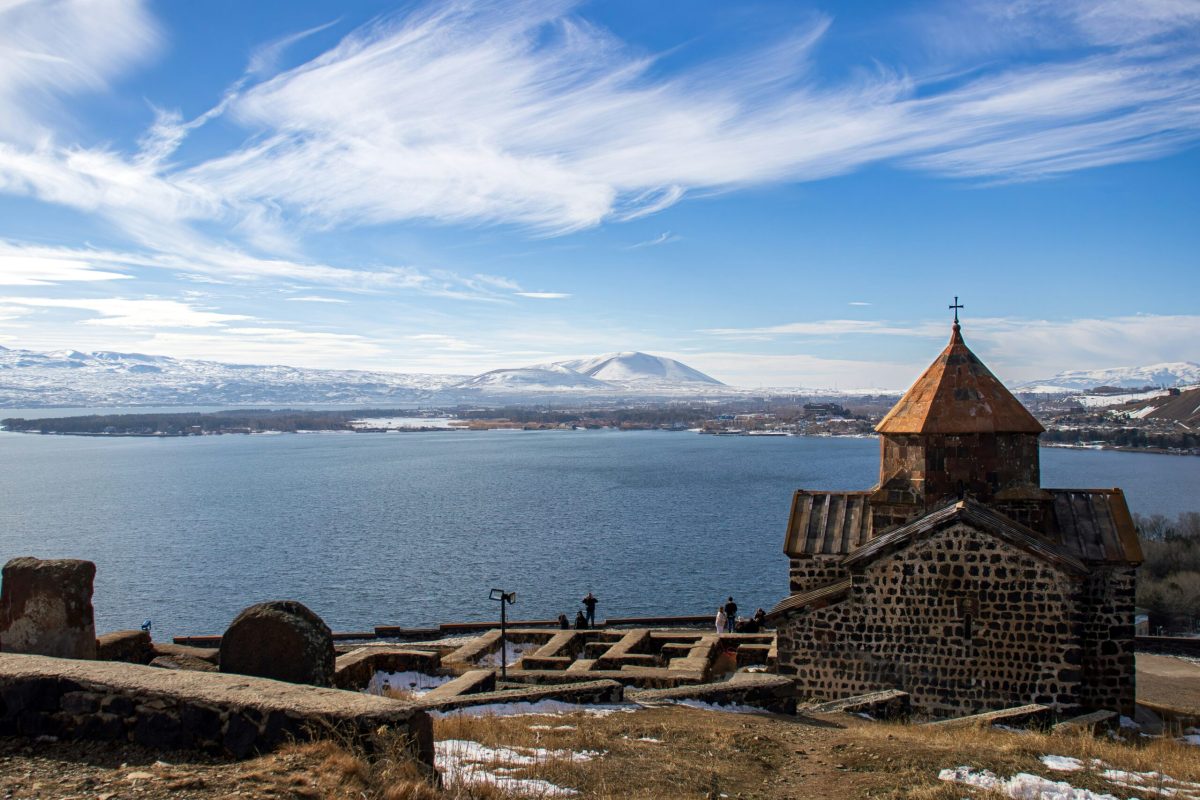
Lake Sevan is one of the world's largest high-altitude freshwater lakes, sitting up at 1,900 meters. It's not a beach destination in the tropical sense, but it's stunning, and locals fish for Sevan trout while the water shines flat and clear under the sky. Sevanavank Monastery perches on a hill overlooking the whole scene, which sums up Armenia nicely: you can't go anywhere without stumbling onto something with centuries attached to it.
Eating and Living Like a Local
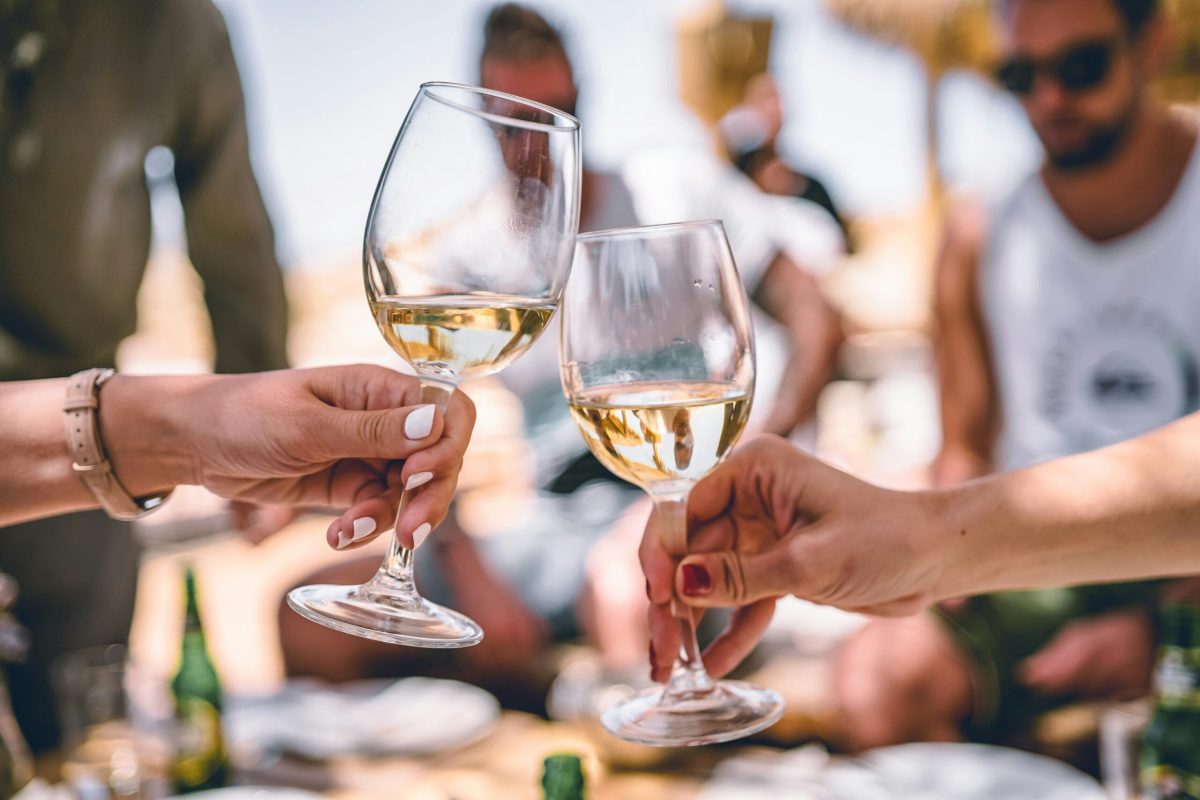
Armenia's food scene is where a lot of visitors get genuinely surprised. Khorovats (grilled meat cooked with total commitment to flavor) shows up at family tables and restaurants alike. Tolma comes stuffed with grape leaves or vegetables. Lahmajouns are basically Armenian pizza, crispy flatbread with meat and herbs. Ghapama is pumpkin hollowed and stuffed, then roasted until the whole thing collapses into something greater than the sum of its parts. Lavash bread is everywhere, made fresh in communal ovens, and it pairs with local wines and brandies or strong coffee served in cafes where people actually sit and talk.
Yerevan itself is worth several days of wandering. The capital mixes monumental Soviet architecture with contemporary galleries, cafes on every corner, and a surprising amount of nightlife. The Matenadaran holds thousands of ancient manuscripts. The History Museum of Armenia walks you through centuries in a few hours. Then you just walk around, find a cafe, order something, and watch the city move.
Smaller cities like Gyumri have their own reputation for warmth and good food, the kind of place where hospitality isn't performed but simply assumed as the default way to treat visitors.
The Window Is Open
None of this requires a visa through July 2026. That's the real takeaway. If Armenia has been on your list but you've kept pushing it back because of bureaucratic hassle, the excuse is gone. Pack light, book a flight, and go see what's been waiting there for centuries. The monasteries aren't going anywhere, but this window to enter without paperwork is temporary, and temporary things have a way of feeling more urgent than they should.