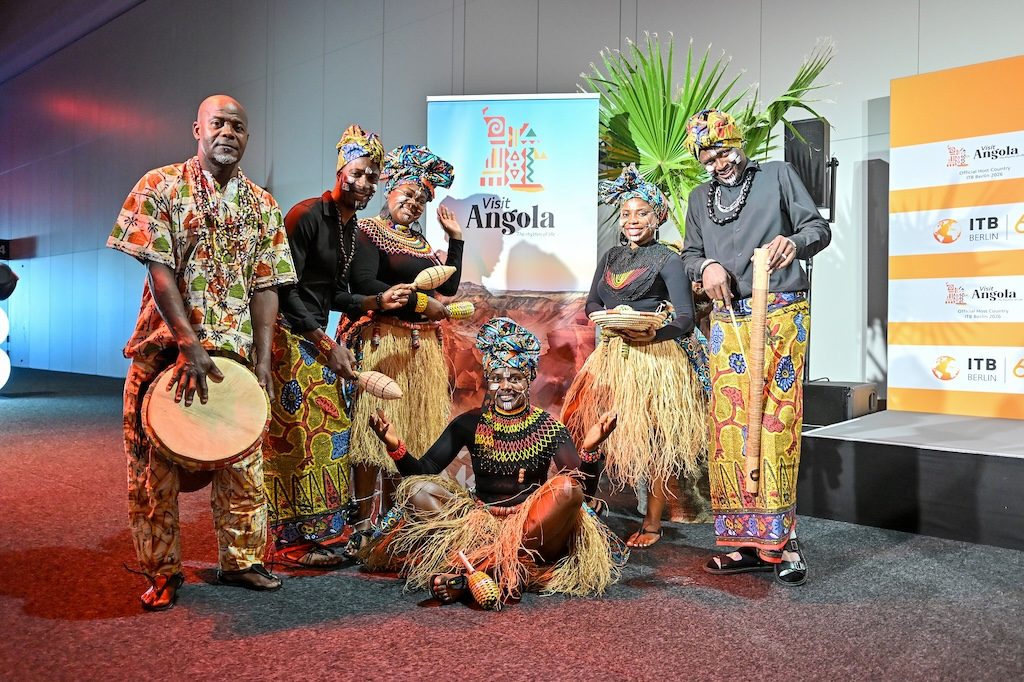
Angola just launched what might be Africa's most ambitious tourism pivot. As the official host country of ITB Berlin 2026 (the world's largest tourism trade fair), the Southern African nation is signaling to the globe that it's ready to move beyond oil and into what its tourism minister calls "green oil."
The timing feels urgent. Oil still accounts for nearly 96 percent of Angola's export revenue, but production is dropping year after year. The government created a dedicated tourism ministry just two years ago, a concrete signal that this diversification is serious business, not just talk. Minister Márcio de Jesus Lopes Daniel laid out the strategy bluntly: "Angola cannot base its economic future on oil alone. Tourism is our green oil, with enormous potential to create jobs, develop rural regions and sustainably utilise our natural and cultural heritage."
The numbers back him up. Angola achieved 4.4 percent real GDP growth in 2024, its strongest performance in five years, with non-oil sectors pulling much of the weight. That momentum is expected to accelerate.
A Wildlife Paradise Most Travelers Have Never Heard Of
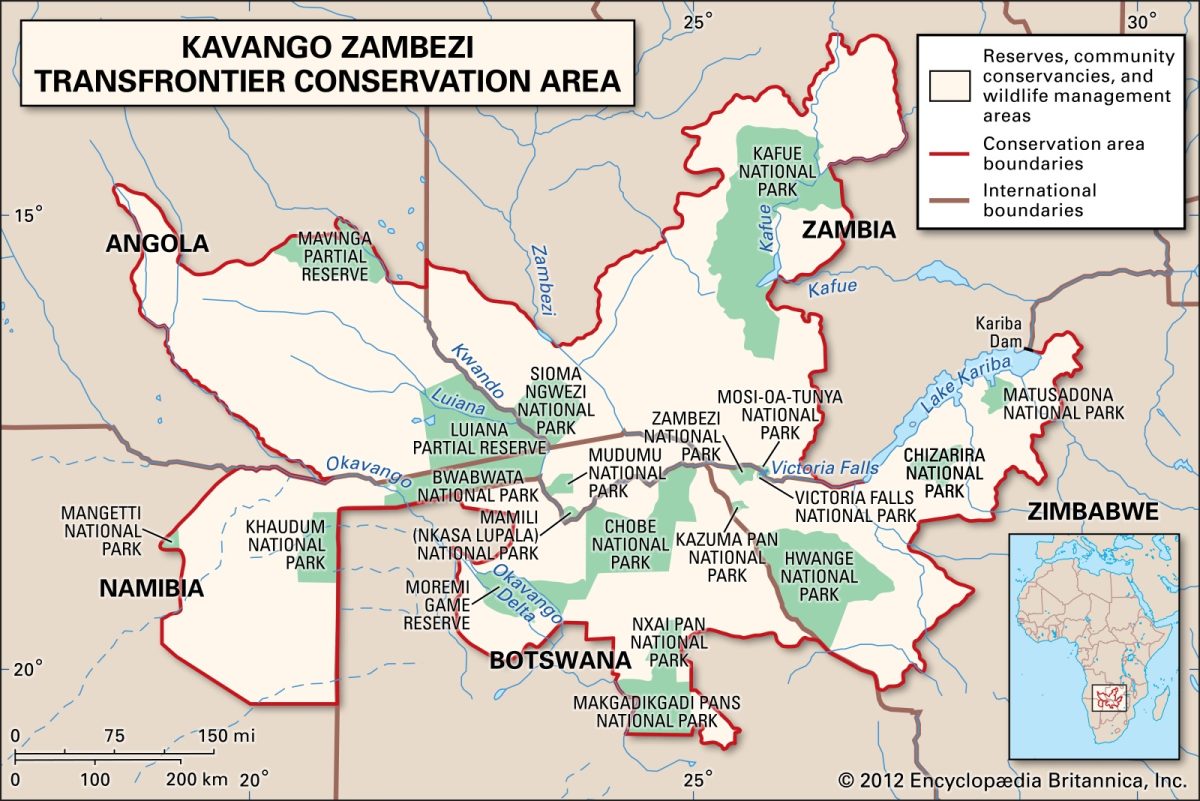
Here's where Angola's tourism story gets genuinely compelling. The country sits within one of the world's largest conservation zones, the Kavango Zambezi Transfrontier Conservation Area, which spans four borders and is home to the planet's largest elephant population. You can find the Big Five here, plus gorillas. Much of it remains completely undeveloped for tourism, unlike the safari industries already thriving in neighboring Namibia, Botswana, and Zimbabwe.
"We have untouched nature and unexplored destinations," Daniel explained. "The opportunity now is to develop eco-resorts, lodges and sustainable tourism infrastructure."
To make movement easier across this shared ecosystem, Angola and its neighbors created a joint tourism brand and introduced the KAZA visa, allowing travelers to hop between countries without the usual visa hassle. It's a practical solution to a continent-sized problem: as Daniel noted, "Elephants do not need passports," and neither should tourists watching them.
1,650 Kilometers of Empty Beaches
Beyond safari potential, Angola's Atlantic coastline is largely untouched. "The beaches are still virgin," Daniel said, and the government is deadly serious about changing that without repeating mistakes elsewhere.
The strategy is deliberate. The state builds core infrastructure (roads, electricity, water, telecommunications), then private investors move in to construct hotels and resorts. Angola has already approved roughly 500 million euros for coastal infrastructure development. International hotel chains including Marriott, IHG, and Accor have already announced projects, with more expected soon.
The government is studying the Cape Verde model, where tourist arrivals jumped from 300,000 to nearly 2 million in just a few years through investor-friendly policies and public-private partnerships. Angola believes it can replicate that success.
Jobs for a Country That Desperately Needs Them
Angola has 37 million people, and two-thirds are under 25. That's a young, ambitious population with few economic options. Tourism development could change that equation fast. "It takes only six months to train someone to work in the industry," Daniel noted. "Tourism can offer hope and opportunities for many young men and women."
Training programs are being rolled out to prepare Angolans for careers in hospitality, guiding, and tourism services. For a country with serious youth unemployment, this matters as much as the wildlife or beaches.
Serious Money, Serious Plans
At ITB Berlin, Angola is presenting "Invest in Angola - Tourism Guidelines," a document developed with UN Tourism that outlines specific, bankable tourism projects designed to attract international capital. The message is clear: Angola has identified where hotels need to be built, what infrastructure is required, and where the money is going.
"There is currently a lack of hotel capacity in our country," Daniel acknowledged. "That means there are opportunities for investors." It's an honest assessment that doubles as an opportunity statement.
For travelers, this all means Angola is about to transform from an overlooked corner of Africa into a major destination. The window for discovering it before it becomes crowded is surprisingly narrow. Angola will also serve as host country for the Global Tourism Forum in Brussels in October 2026, cementing its role in shaping global tourism strategy.
The question isn't whether Angola will succeed in this pivot. It's whether travelers will get there before the lodges, resorts, and safari camps are fully booked.