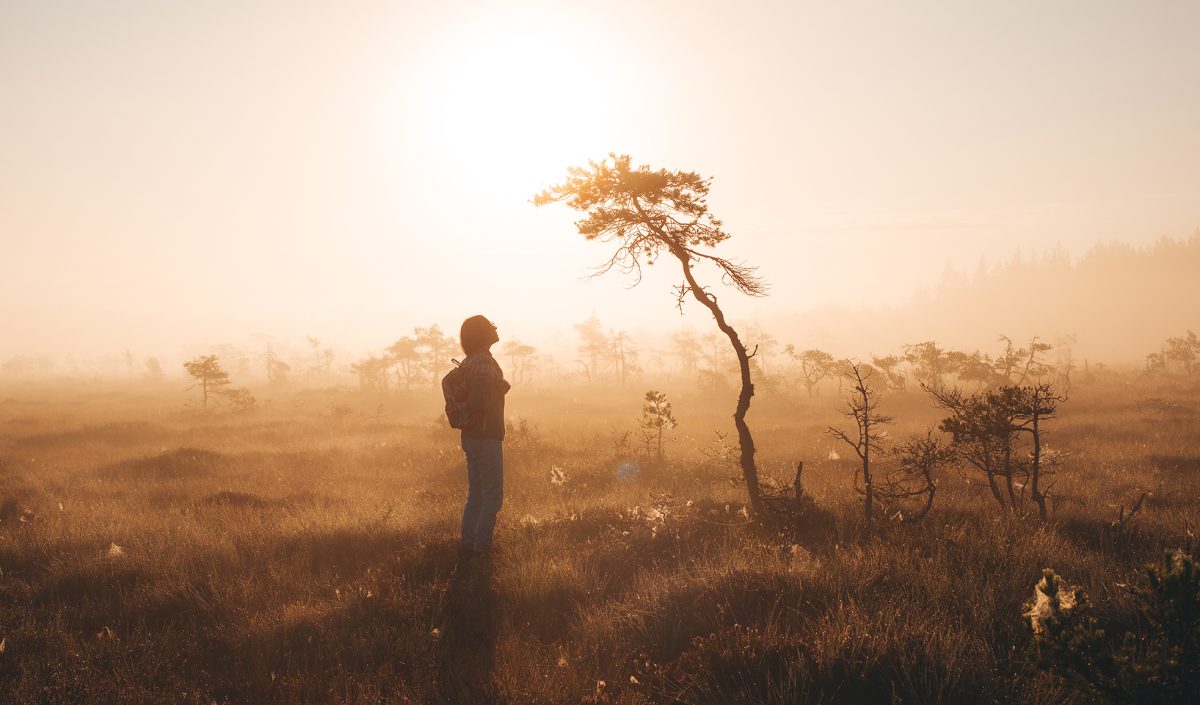
Picture this: a country with 1,650 kilometers of Atlantic coastline, the Kalandula Falls crashing down in spectacular fashion, and vast wildlife ecosystems stretching across pristine landscapes. That's Angola, and it's about to become one of Africa's most watched tourism plays.
Angola has spent decades riding the oil boom. Now the government is deliberately steering toward tourism as its next major revenue driver, and the strategy is rolling out with surprising speed and sophistication. During ITB Berlin 2026, Angola's Minister of Tourism Márcio Daniel laid down a bold vision: tourism as Angola's "green oil." Unlike the black stuff underground, this kind of oil creates jobs, supports regional development, and keeps the country's natural and cultural heritage intact.

From Talk to Action
What separates Angola's pitch from the usual tourism promotion spiel is the execution framework. The government released comprehensive investment guidelines titled "Tourism Doing Business: Investing in Angola," developed with support from UN Tourism. These aren't vague promises. They spell out specific projects across ecotourism, coastal development, hotel infrastructure, and resort investments, complete with legal frameworks and partnership models designed to make international investors actually want to show up.
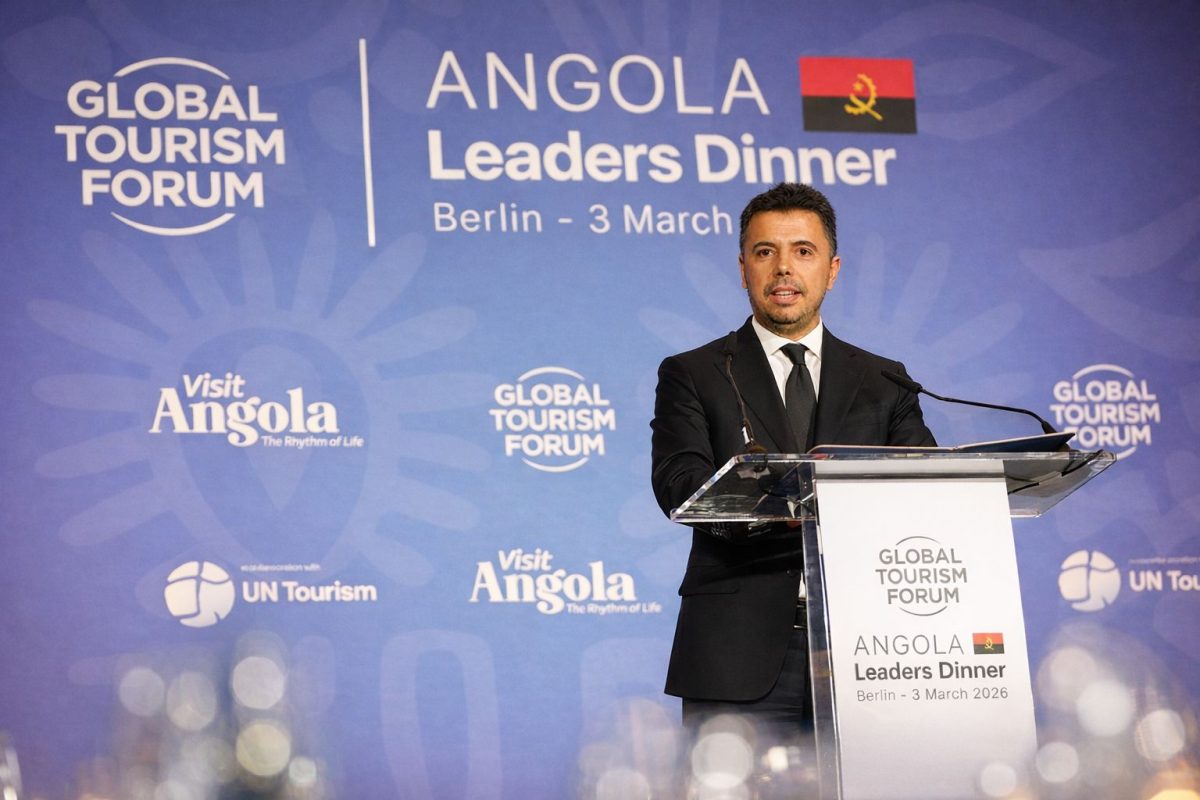
"Angola is not only presenting potential," Daniel said at the Berlin Leaders Dinner. "We are presenting structure and planning." That message resonated. Several memoranda of understanding were signed between the Angolan government and international companies, covering infrastructure development, transport, energy-related tourism, and branded resort properties. When investors start putting pen to paper, you know the pitch worked.
A Summit That Matters
The real test comes May 7-9, 2026, when Luanda hosts the Global Tourism Forum Investment Summit. Tourism ministers, major hotel groups, infrastructure developers, tour operators, and financial institutions will converge to talk partnerships and capital allocation. The event signals a shift from soft promotion to hard business. Angola isn't just trying to attract tourists anymore. It's actively recruiting investors who will build the hotels, restaurants, and experiences those tourists need.
Bulut Bağcı, President of the World Tourism Forum Institute, reframed what modern tourism investment actually means: "Tourism today is not only about visitors. It is about investment, infrastructure, connectivity and trust." Angola is banking on that equation.
What's Actually There
Angola has the raw material. The Namibe Desert offers otherworldly landscapes. The country borders the Kavango Zambezi conservation region, meaning wildlife and ecosystem-based tourism sit within reach. Coastal development potential is enormous. With improving infrastructure and expanding international flight connections, the pieces are falling into place faster than many predicted.
The momentum is real, and May 2026 will tell you whether Angola's pivot from resource extraction to experience economy actually takes hold. Either way, travelers should be paying attention. The next major African tourism story may well be unfolding right now.