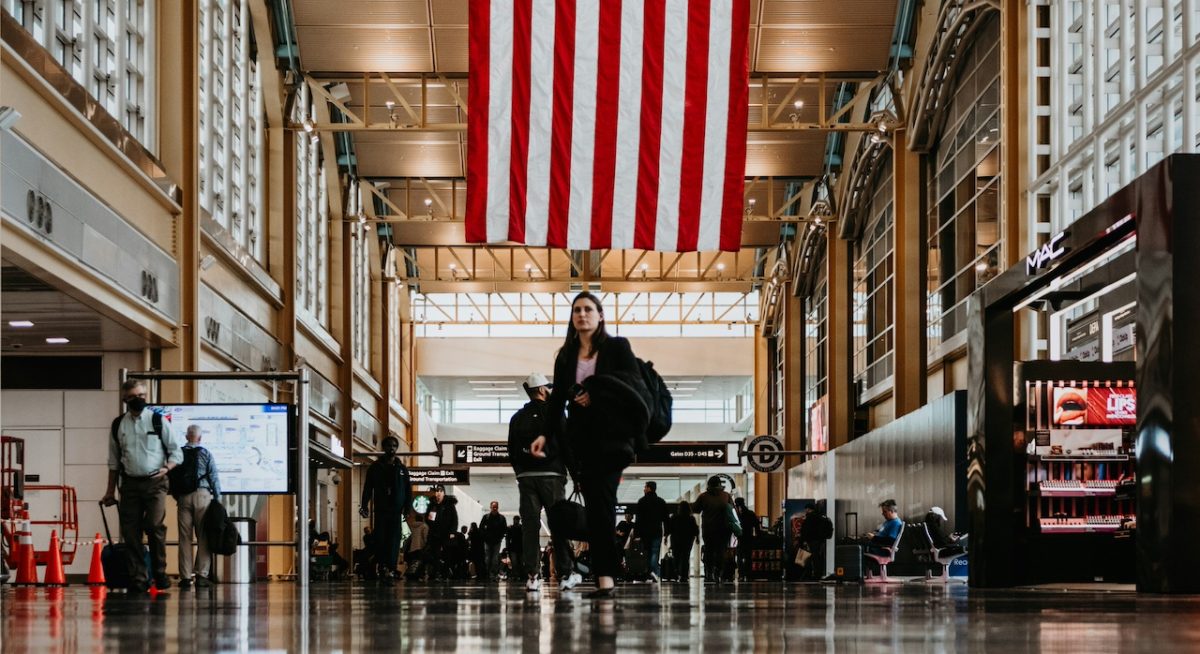
Getting through airport security just got a whole lot less painful. On March 30, 2026, travelers arrived to find something they hadn't experienced in weeks: short queues and quick checkpoints. The shift came as a relief after a gut-wrenching stretch when some of America's busiest airports looked more like disaster zones than travel hubs.
The chaos stemmed from a simple but devastating problem. Since mid-February, roughly 50,000 Transportation Security Administration officers had gone without paychecks while still required to show up and do their jobs. The partial government shutdown left these essential workers in an impossible bind: keep screening passengers or skip work to hunt down survival loans. Many did both, maxing out credit cards and borrowing money just to eat.
The breaking point
By late March, the cracks were impossible to ignore. Call-out rates skyrocketed as financially desperate workers stopped showing up. In major hubs like New York's JFK, Houston's George Bush Intercontinental, Baltimore's Thurgood Marshall, and Atlanta's Hartsfield-Jackson, wait times ballooned to several hours. TSA reported the longest delays in its 25-year history. Nearly 500 officers had quit entirely, and passengers faced what felt like airport apocalypse. For travelers trying to make flights, every trip to the checkpoint became a gamble on whether you'd make your departure.
The crisis hit during peak travel season, turning vacations into logistical nightmares and business trips into exercises in frustration. Those historic wait times weren't just inconvenient numbers on a chart; they represented real people missing flights, families arriving late to funerals, and business deals delayed by airports, not traffic or weather.
The resolution
On March 27, 2026, President Trump signed an emergency directive ordering that TSA workers be paid immediately, bypassing the stalled Congressional process. The move came as a direct response to what officials described as an "existential crisis" threatening the nation's aviation system. By Monday, March 30, the first wave of retroactive pay began hitting accounts. While not every worker received their full compensation right away, the vast majority got at least two full paychecks covering their time without income.
The effect was immediate and dramatic. Within hours, the gridlock that had characterized security checkpoints evaporated. Questions immediately arose about whether other DHS employees would receive similar relief, but for TSA officers and the traveling public, the nightmare had at least temporarily ended. Staffing levels rebounded as workers felt valued again, and procedures returned to their normal rhythm.
What this means for your travels
If you've been holding off on booking flights due to fears of massive delays, the pressure has eased significantly. Major airport hubs that were barely functional just days earlier are now running smoothly again. Security lines have returned to the standard 5 to 15 minutes in most cases, allowing passengers to navigate airports with something approaching normalcy.
That said, the broader crisis at airports didn't exist in a vacuum. Worker walkouts and staffing shortages have plagued aviation in other countries too, and understaffing issues extend beyond TSA. If you're planning travel soon, arriving early remains wise practice, and real-time airport apps are your friend for tracking actual queue times.
The rapid resolution of the TSA pay crisis demonstrates what happens when essential workers get what they need to show up and perform. It also raises uncomfortable questions about how close America came to allowing its aviation infrastructure to collapse over bureaucratic gridlock. For now, though, travelers can move forward with their plans without dreading the security checkpoint quite so intensely.