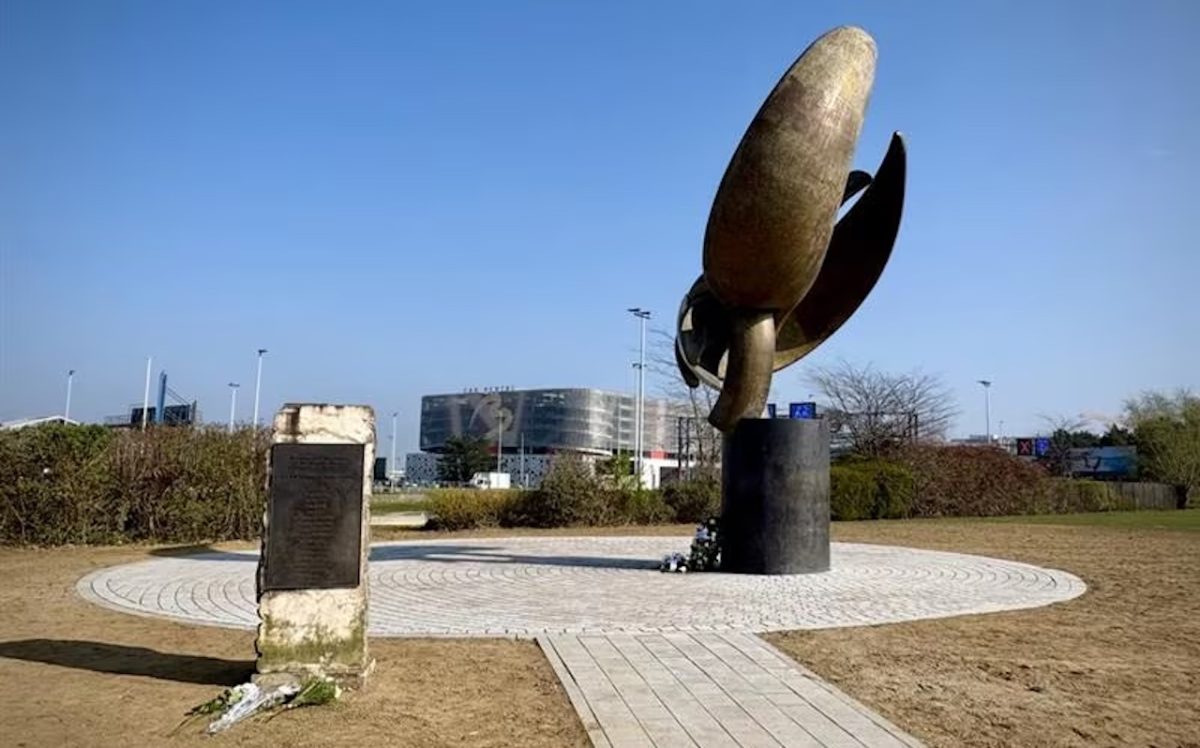
Some objects become symbols almost by accident. The Flight in Mind sculpture, a bronze work by artist Olivier Strebelle, was simply standing near the departure hall at Brussels Airport on 22 March 2016. When the bombs went off that morning, it shielded people from the blast. Severely damaged but still standing, it was restored and transformed into a permanent memorial. Now, ten years later, it has been repositioned so more people will see it.
The relocation happened on the exact tenth anniversary of the attacks. At 7:58 am on 22 March 2026, a minute of silence fell across the airport. King Philippe and Queen Mathilde attended the ceremony alongside Prime Minister Bart De Wever, airport leadership, emergency responders, and families of the 32 people killed that day. The atmosphere was heavy with remembrance but also with a kind of quiet strength.
"For those who have lost a loved one, or whose body or mind still carries the weight of that morning, 22 March never really ends," King Philippe said during his address. The words hung in the air, acknowledging a truth that statistics cannot capture. Ten years is a decade, but for survivors, it can feel like yesterday.
A Symbol Born from Tragedy
What makes this sculpture different is how it became a memorial. It wasn't planned as one. The bronze statue was simply part of the airport's art collection, standing silently near the explosion point in the departure hall. When the blasts came, it acted as a shield for people standing nearby. After being restored, it took on new meaning. The families of victims asked for it to be honored as part of the memorial landscape at the airport.
For a decade, the sculpture sat in the airport's Memorial Garden near a roundabout beneath the viaduct of the A201 highway. The location was peaceful, but it was remote. Only travelers arriving through that specific route would ever glimpse it. The families wanted something different. They wanted more people to encounter this object, to understand what it meant, to carry the memory forward.
A New Home, A Wider Reach
The sculpture now stands along the main access road to the airport, impossible to miss. The change is deliberate. By positioning it closer to the terminal buildings and main traffic routes, the families ensured that both occasional visitors and regular travelers would pass by it. A new plaque lists the names of the 19 people killed in the airport attacks specifically, separate from the 13 others who died at the Maelbeek metro station.
The ceremony itself featured a 54-member choir composed entirely of people affected by the attacks. These weren't professional singers hired for the occasion. They were survivors, family members, and those touched by the tragedy. Their voices filled the airport in a way that numbers and dates never could.
Living With the Scars
Béatrice de Lavalette was 17 years old when the bombs went off. She lost both legs in the explosion. "I wake up every day with memories of the horror," she said during the ceremony. "My body is burned, bruised and mutilated. I wonder if this constant, invisible pain is worth it. But then I remember the moment I was lying on that floor, bleeding. I said then: 'I'm not going to die here.'"
Her words cut through the formal proceedings like nothing else could. She wasn't asking for pity or recognition. She was simply stating what resilience actually looks like. Ten years later, she's still here. The sculpture is still here. The memory is still here.
For travelers passing through Brussels Airport, this repositioned sculpture now serves as a quiet reminder. It's not something that requires explanation or ceremony every time someone walks by. It simply exists, bearing its own scars, standing taller in a new location where more people will see it. That's what the families wanted. Not to hide from what happened, but to ensure it remains visible, remembered, and honored by everyone who passes through.