Picture this: you're sitting in a Thai restaurant in California, your friend Ralph can't decide between his reliable favorite ginger chicken or something new on the menu. It's a small moment, the kind every traveler knows. But Nobel laureate Richard Feynman saw it differently. He turned it into a mathematical puzzle.
That casual dinner conversation sparked something bigger. Feynman scribbled down his thinking, his handwritten notes capturing what would become a solution to one of life's constant headaches: when to stick with what you know versus when to chase something better. For fifty years, those notes gathered dust, their meaning lost to everyone else.
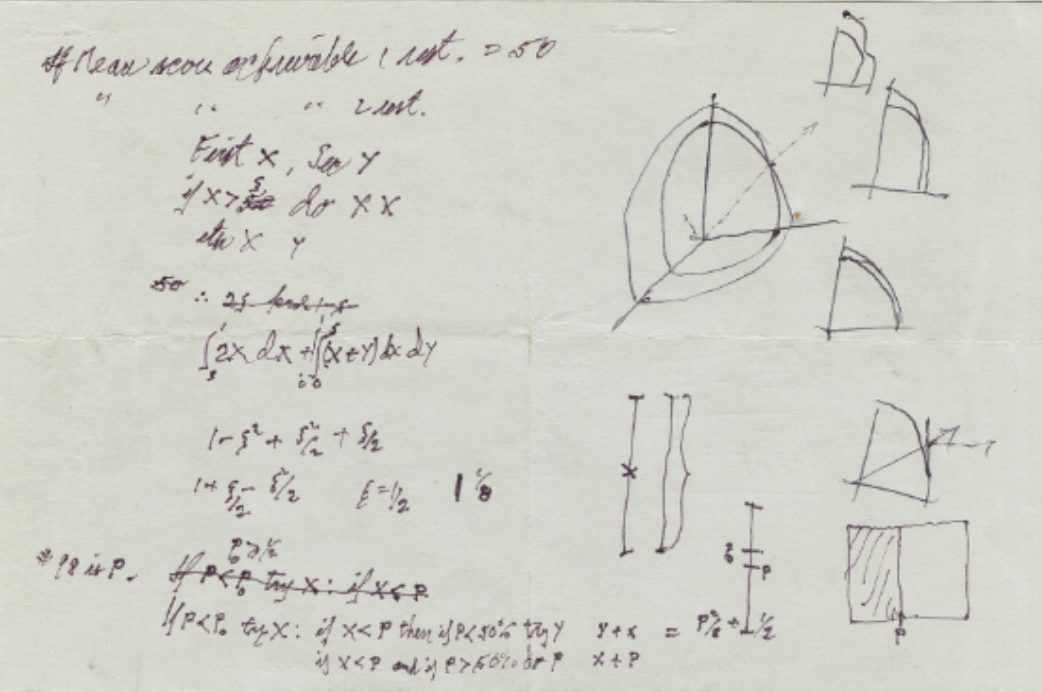
Then in 2026, researchers from Oxford, Princeton, and the City University of New York decided to crack the code. They deciphered Feynman's original work and did something clever: they applied his reasoning to a fresh problem. Instead of choosing between a favorite dish and something new, they asked a question every traveler wrestles with. How do you know when you've found a good enough restaurant to stop hunting?
The Formula Behind Your Food Choices
What they discovered is beautifully practical. Imagine you have five nights left in Barcelona or ten days in Bangkok. The research suggests you should explore. Try a different restaurant each evening, stay open to stumbling onto something remarkable. But here's the catch: set a quality threshold for yourself, and that threshold should slide downward as your trip ticks toward its final days.
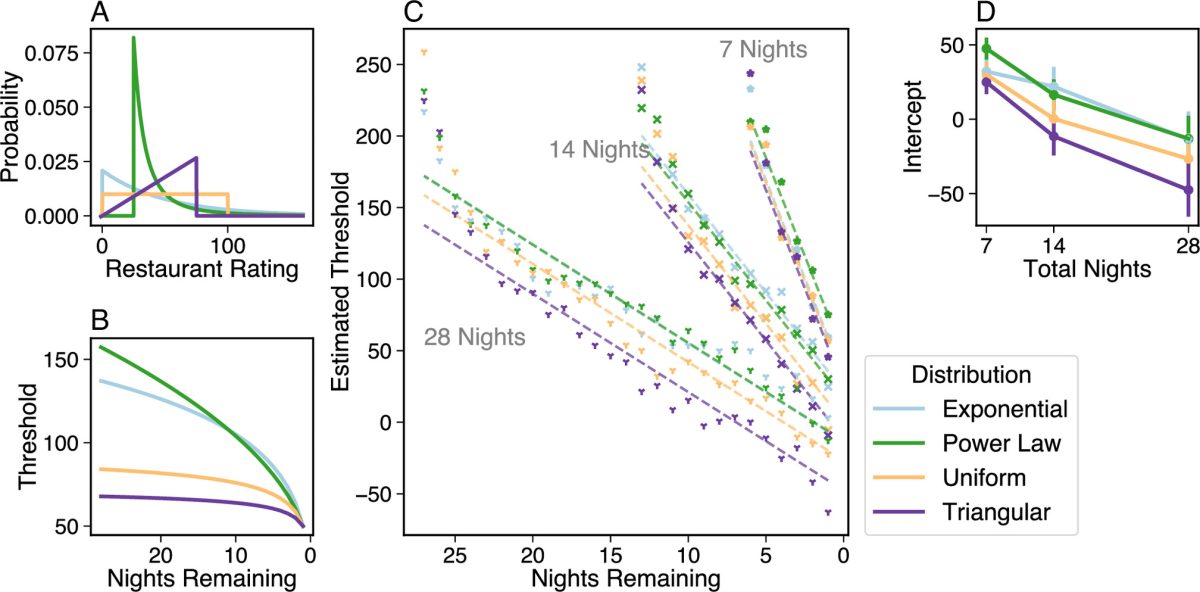
Think of it this way. Early in your holiday, you're hunting for excellence because you'll have chances to return to your favorite find. If you discover an extraordinary pasta place on night two, you can go back on night five. That discovery has real value. But on night eight of your ten-night stay, you probably shouldn't be switching spots based on hype. The math changes when your time is limited.
"The thresholds are being guided by the best thing you might be able to find if you kept looking," explains Tom Griffiths, one of the Princeton researchers. "If you have a long time to look, finding something amazing has a lot of value because you can go back many times."
Putting Theory Into Practice
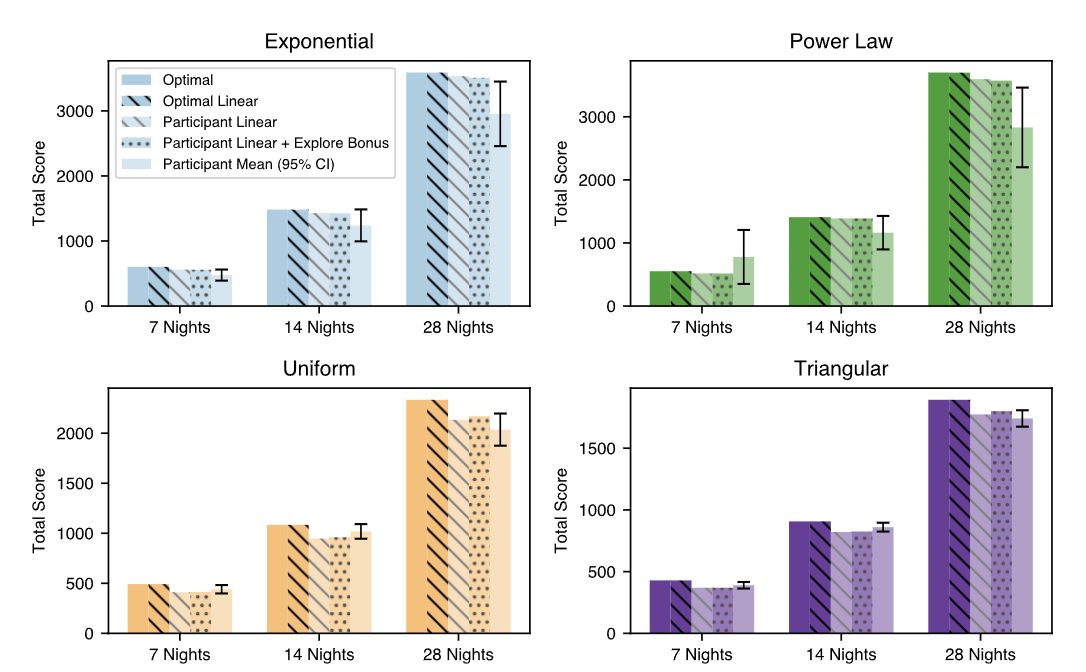
The researchers tested this with over 2,500 participants and found something reassuring: people already think this way naturally, at least in part. We're not terrible at making these decisions. But we do tend to explore more than the pure math would suggest we should. That's not a flaw, actually. It's human.
Griffiths and his team found that when people adopt a simple strategy of lowering their standards as the end of the trip approaches, it works nearly as well as Feynman's complete formula. You don't need to be a physicist to benefit from this insight.
So what does this mean for your next getaway? Start loose. In the first third of your trip, hop around. Order differently each night. Befriend the local who recommends their cousin's restaurant. You're gathering data. You're building a mental map of what good looks like in this place. Somewhere around the midpoint of your stay, you'll likely hit a spot that exceeds your internal benchmark. It might not be perfect, but it's damn good, and you know you can return.
Once the final stretch arrives, lower your expectations slightly and stick to places you've already loved. This isn't settling. It's strategy. You're optimizing for happiness with the time remaining, not for some imaginary ideal that might exist if you had six more days.
The beauty of Feynman's approach is that it frees you from decision paralysis. You're not agonizing over whether tonight's reservation is truly the best. You're following a framework that works with how travel actually feels, the rhythm of discovery followed by the comfort of return.