When Emerald Fennell's Wuthering Heights hit screens in February, few expected the ripple effect it would have on a small village in the Yorkshire Dales. But Haworth, where Emily Brontë once walked the moors and wrote her masterpiece, is now experiencing visitor surges that rival its peak summer season. Staff at the Brontë Parsonage Museum where Emily, Charlotte, and Anne Brontë lived and worked are calling it "mind-blowing."
The film starring Margot Robbie and Jacob Elordi has turned what was already a literary tourist destination into something closer to a pilgrimage site. Mia Ferullo, digital engagement officer at the museum, told The Independent that attendance has soared since the release. "I've never seen so many people talk about Emily Brontë and Wuthering Heights," she said. What's striking is the type of visitor arriving. Many are picking up the novel for the first time, drawn not by academic interest but by the raw emotion the film captured.
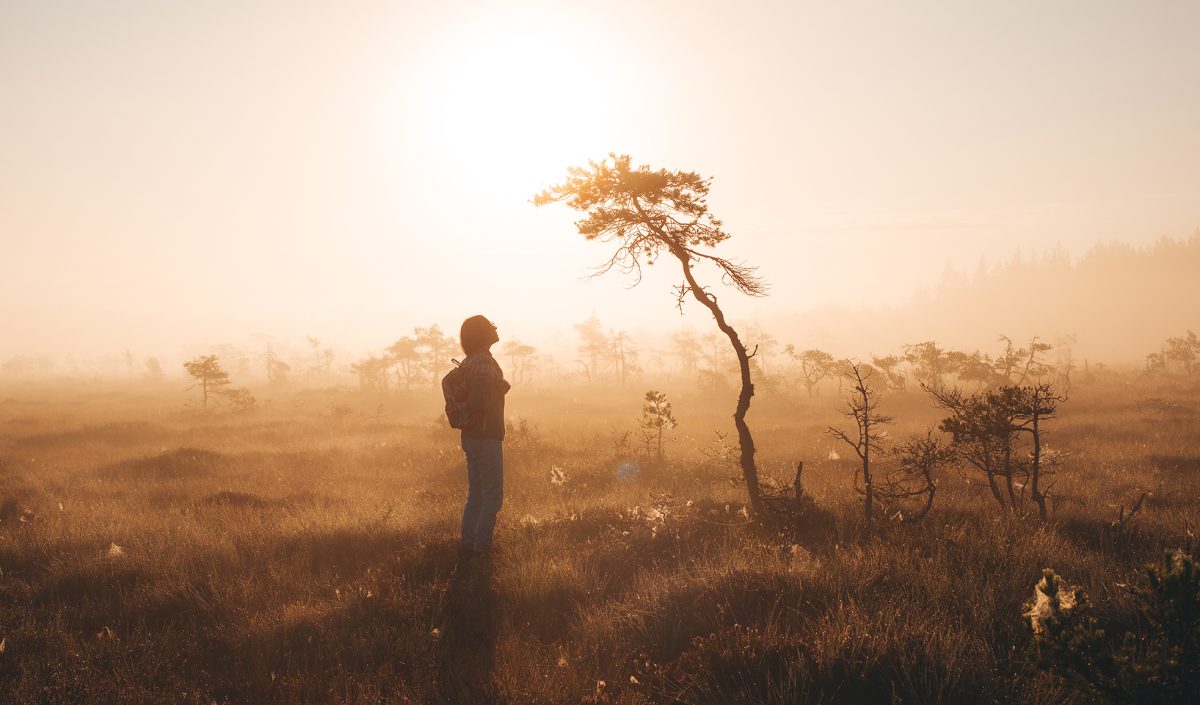
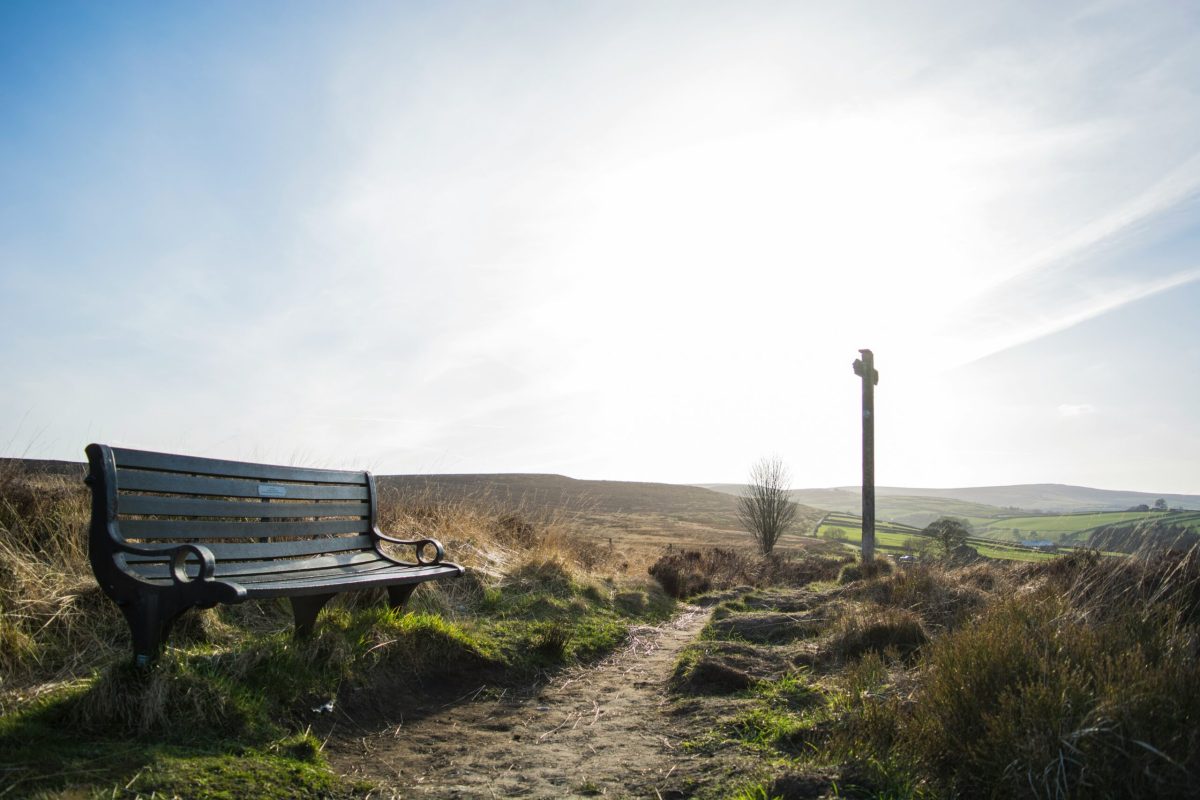
Haworth itself feels like a set lifted from the 1840s. Cobbled streets slope downhill between stone terraces, and the surrounding moorland stretches endlessly toward slate-gray horizons. Visitors aren't just touring the museum. They're hiking to Top Withens, a ruined farmhouse on the moors long believed to have inspired Wuthering Heights itself. Local guides report bookings are up sharply, with inquiries flooding in from North America and continental Europe.
Following the Page to the Place
This phenomenon has a name: set-jetting. Fans of films and books travel to real locations tied to the stories they love. It's driven tourism booms before, and it's reshaping how destinations market themselves. Haworth benefits from both film tourism and the enduring power of 19th-century literature. The Brontë Parsonage Museum already draws tens of thousands annually, but this surge is expected to push those numbers significantly higher throughout the year.
The settings matter here. Wuthering Heights isn't a drawing-room drama. It's a story steeped in wild landscape, in the isolation and elemental force of the moors. When readers see those settings on screen, they want to stand where Heathcliff raged and Catherine yearned. The novel's gothic intensity comes from place as much as from character, so visiting the actual moors isn't just sightseeing. It's completing the experience of the text.
A Boom With Questions
The influx is fantastic news for local businesses. Tea shops, pubs, and B&Bs have seen increased custom. Heritage organisations welcome the economic lift. But sustainability concerns loom. Small villages aren't always built to handle sudden population spikes. Overtourism can damage the very character that draws visitors in the first place. Haworth's leaders are conscious of this. Tourism bodies and local heritage organisations are discussing visitor management strategies to ensure the boom doesn't undermine what makes the village worth visiting.
For travelers planning a trip, the takeaway is clear. If you've been meaning to walk the Brontë way, explore the parsonage museum, or trace the atmospheric landscapes that shaped one of English literature's most passionate novels, this moment offers something special. You'll be walking among fellow devotees. The shared sense of literary pilgrimage adds texture to the experience.
The Brontë Parsonage Museum remains the village's main draw. Manuscripts, letters, and personal belongings tell the story of three remarkable sisters who produced enduring masterpieces in isolation. The exhibits connect you to their creative lives in ways that reading alone can't quite achieve. Seeing Emily's handwriting, understanding her daily environment, transforms how you read Wuthering Heights. Tourism booms like this one remind us that the best travel isn't always about ticking boxes. Sometimes it's about connecting with the places and people that shaped the stories we love.