When the judges announced Den Gamle By as the 2026 European Museum of the Year in Bilbao last June, they weren't honoring a place frozen in time. They were celebrating something messier and more necessary: a museum that refuses to look backward alone.
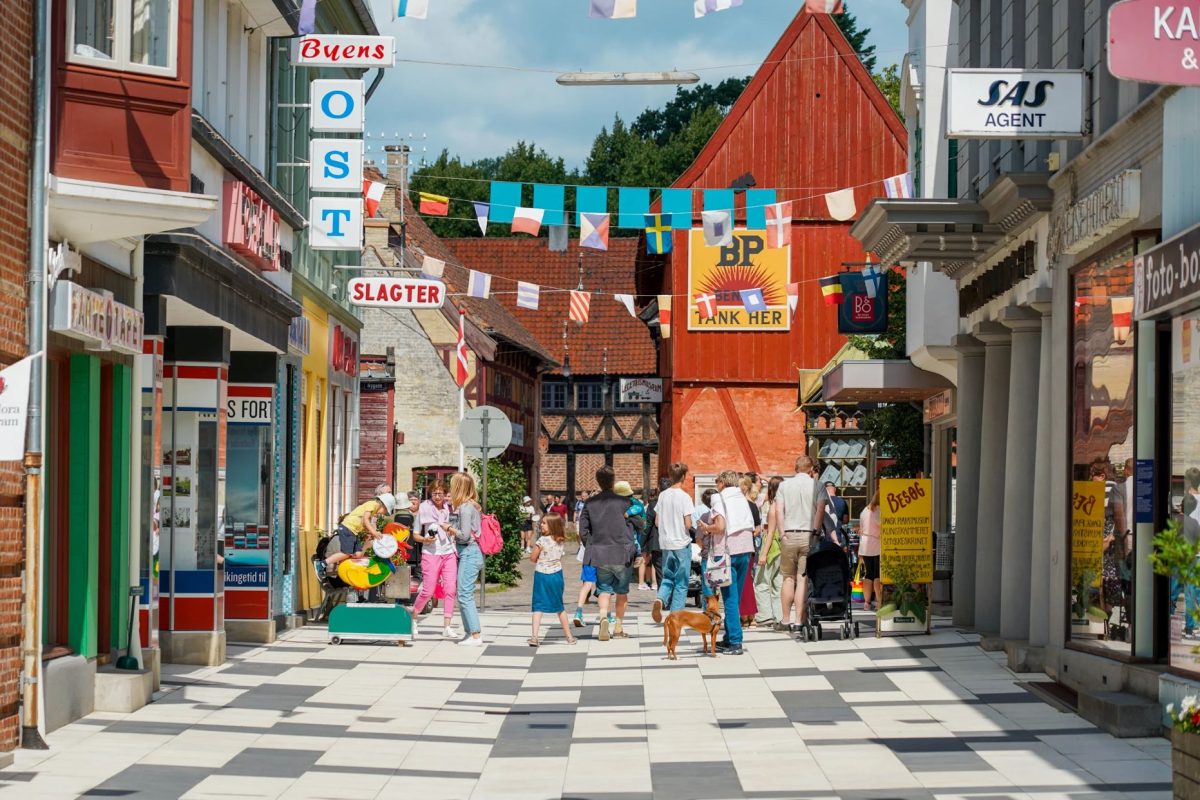
Located in Denmark's second-largest city, Den Gamle By (The Old Town) is an open-air museum that spans four centuries of urban life. But calling it a living history exhibit undersells what actually happens there. Visitors don't just observe the past. They step into it, handle objects, participate in reconstructed daily routines, and confront questions that feel urgently present: migration, identity, sustainability, social justice.
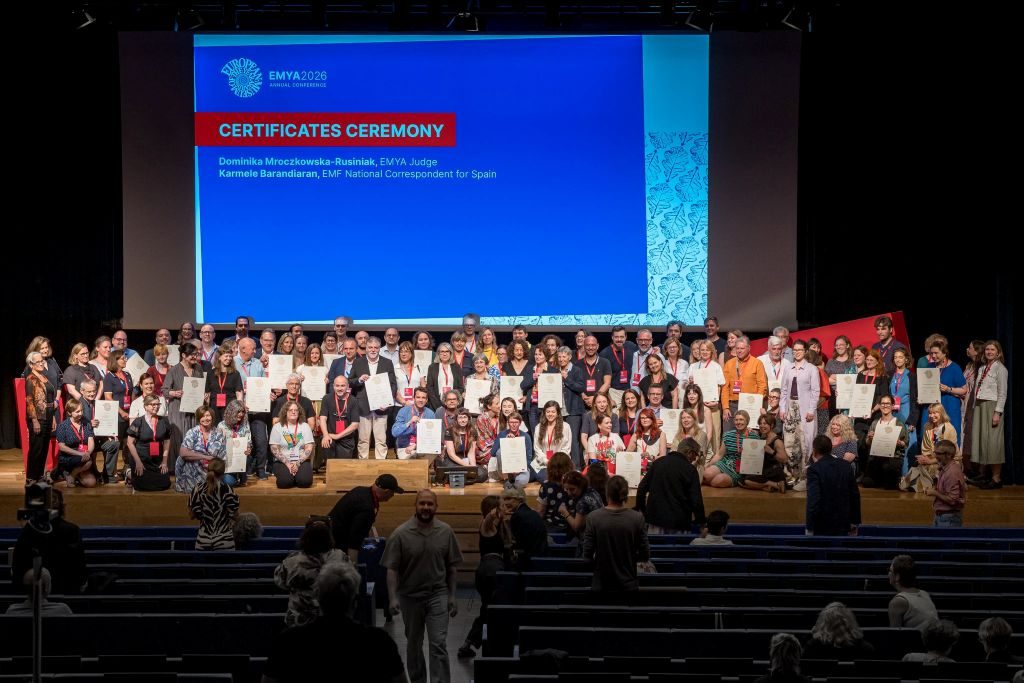
The European Museum Forum, which has handed out this award annually since 1977, praised Den Gamle By specifically for transforming the open-air museum format into something activists, educators, and historians can work with together. "The museum positions itself as a dynamic agent of social change rather than merely a site of nostalgia," the forum wrote in its citation. That's a rare compliment in a field sometimes accused of romanticizing or oversimplifying history.
Why This Museum Breaks the Mold
What sets Den Gamle By apart is its refusal to treat the past as settled. The curators have embedded contemporary issues directly into the experience. Walking through the museum, you encounter stories about how ordinary people lived 300 years ago, but you're also learning about urban gardening and biodiversity through hands-on projects with actual communities. The museum runs collaborative initiatives that blur the line between exhibition and activism, teaching visitors about pressing sustainability challenges while they're learning history.
The research backing these exhibitions matters too. By digging into themes like migration and social inequality with scholarly rigor, the museum avoids the trap of simplified versions of history. Nothing is left to feel quaint. Everything connects to now.
Julie Rokkjær Birch, the museum's director, called the award "a huge recognition." She credited more than 100 years of institutional development and a team that "lives and breathes" to create genuine experiences for visitors. That combination of historical depth and present-day urgency appears to be exactly what the European Museum Forum wanted to highlight.
A Bigger Year for Museums Across Europe
Den Gamle By wasn't the only institution celebrated in 2026. The European Museum Forum also presented five other awards to museums pushing boundaries in their own ways. Young V&A in the United Kingdom received the Council of Europe Museum Prize. The Museum of Madness in Slovenia was honored for institutional courage and professional integrity. Germany's AlpenStadtMuseum in Sonthofen won recognition for community participation, while Switzerland's Museum of the Rural Civilisation of Mendrisiotto received a prize for welcoming and belonging. Finland's Lahti Museum of Visual Arts Malva took home the award for environmental sustainability.
This constellation of awards suggests a shift in how Europe values museums. They're no longer expected to be quiet repositories of objects. The institutions earning recognition are the ones engaging with their communities, taking stands on difficult issues, and using history as a tool for understanding the present.
What This Means for Travelers
For travelers planning museum visits across Europe, these awards are a useful signal. If you're headed to Denmark and want to understand Danish culture beyond guidebook cliches, Den Gamle By offers something most museums can't: a place where history isn't performed for tourists but actively debated and rebuilt by the people living it. Plan your European itinerary carefully and make room for museums that challenge you, not just entertain you.
The award comes as European museums continue evolving. Some are experimenting with new approaches to accessibility and inclusion. Others are reckoning with how they've presented colonial history. Den Gamle By's recognition suggests that authenticity, community engagement, and contemporary relevance matter more than spectacular architecture or size.
The next chapter in this awards story arrives in 2027, when the European Museum Forum will celebrate the 50th edition of the awards in Bern, Switzerland. By then, we'll see which other institutions have figured out the formula: honor the past without getting stuck in it, involve your community in the work, and make sure history speaks to today's questions.