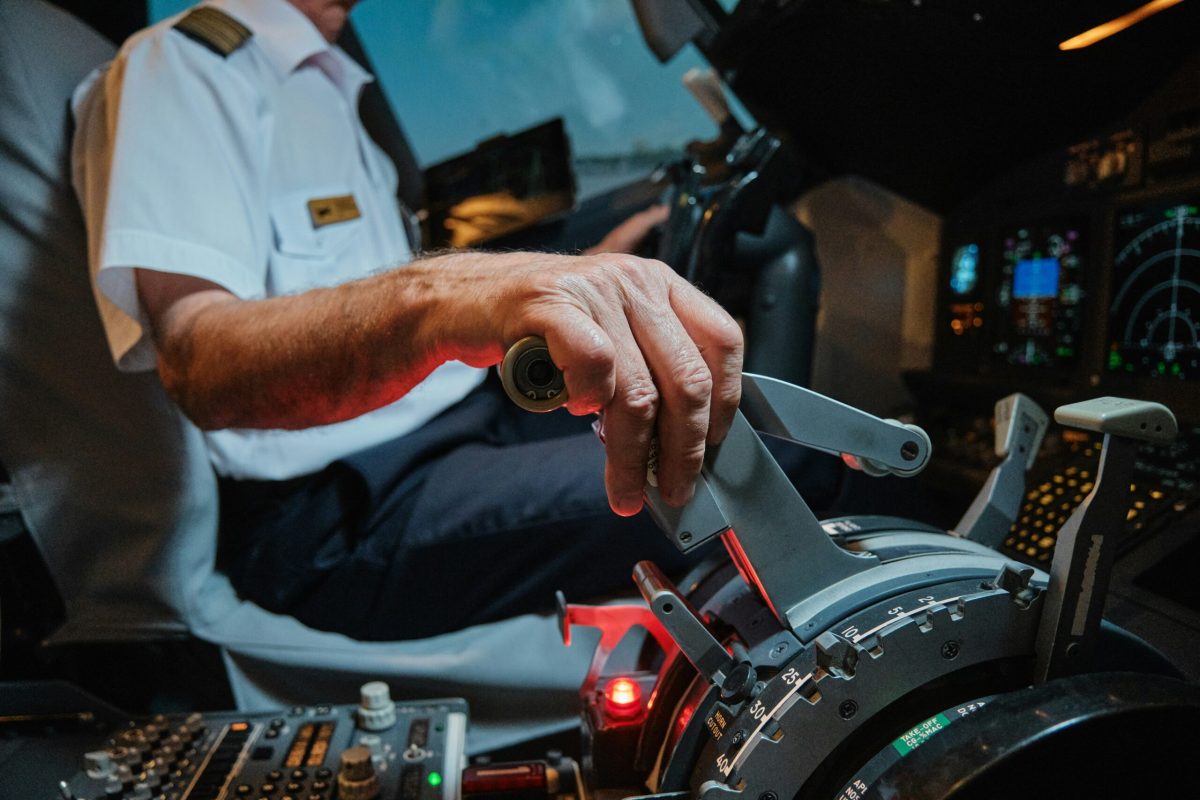
Geoffrey Wall had a golden ticket. For 27 years, he worked his way up the ranks at Air Canada, eventually commanding some of the airline's largest aircraft: the Boeing 767, 777, and 787. He was trusted with hundreds of passengers on international routes. He earned nearly 3 million Canadian dollars. And according to Peel Regional Police, he did it all while allegedly using forged documents to hide a critical gap in his qualifications.
Wall, 59, has been charged with seven criminal counts after authorities allege he piloted more than 900 flights between 2009 and 2025 without holding an Airline Transport Pilot Licence (ATPL). For North American airline captains, the ATPL is non-negotiable. It's the highest level of pilot certification. Without it, you legally cannot command a commercial aircraft. Wall held a valid commercial pilot licence and was qualified to serve as a first officer, but the step up to captain required credentials he apparently did not possess. He bridged that gap, investigators say, with counterfeit documentation.
The revelation reads like a thriller. Peel Regional Police Deputy Chief Nick Milinovich compared the situation to a family doctor performing brain surgery in an office. "This investigation and the details surrounding it read like a movie script," he said at a news conference. Wall's alleged deception unraveled not through a dramatic mid-flight emergency, but through routine paperwork. In 2025, Transport Canada ran a standard check on Wall's credentials and spotted anomalies in his pilot license documentation. Air Canada contacted authorities immediately, removed Wall from active duty, and the investigation began in earnest.
What makes this case particularly unsettling for frequent flyers is the timeline. Wall retired in 2025, just before authorities launched their inquiry. Had he stayed on a few more months, would anyone have noticed? Police are now examining how such a significant irregularity eluded detection for so long, especially given Air Canada's safety protocols. The airline maintains in its statement that Wall underwent mandatory retraining every six months and formal flight checks every 12 months with certified Transport Canada inspectors. "Safety was not compromised by this incident," the airline said, because all pilots go through these rigorous evaluations regardless of their documentation status.
That argument offers some reassurance. Modern airline operations involve layers of oversight. Pilots train relentlessly. They're evaluated constantly. A fraudulent license doesn't suddenly make someone forget how to fly. Yet appropriate licensing exists for a reason. It's the legal bedrock of aviation authority, the paperwork that says someone has logged the required hours, passed the necessary exams, and earned the right to make life-or-death decisions. When that foundation crumbles, trust erodes along with it, even if the actual flying may have been competent.
Wall faces charges of fraud over 5,000 Canadian dollars, two counts of uttering forged documents, and three counts of possession of a counterfeit mark. His court appearance is scheduled for June 29, 2026, in Brampton, Ontario. If convicted, he could face significant penalties under Canadian law. The case has drawn comparisons to other credential frauds in aviation, reminding travelers that security vulnerabilities exist even in heavily regulated industries.
For those who travel frequently on Air Canada or any major carrier, the question lingers: how often do routine background checks actually catch problems? Wall's case suggests that it takes a specific trigger (in his case, a Transport Canada examination) to uncover systematic deception. The broader lesson is that while your safety in the air depends on both the person in the cockpit and the regulations they follow, those regulations only work when they're verified and enforced with genuine rigor. This incident should prompt airlines and regulators alike to examine whether current verification systems are truly robust enough, or whether additional safeguards are needed to prevent similar cases from slipping through.