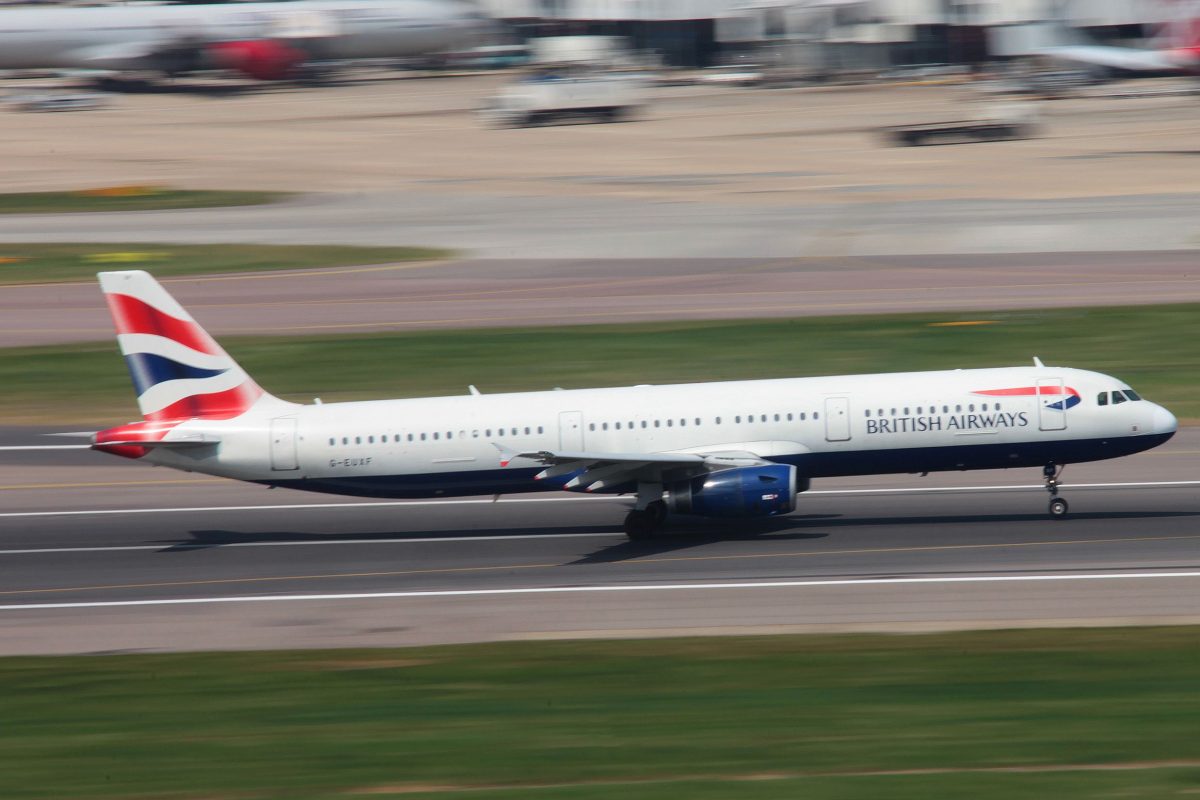
Heathrow's Terminal 5 saw a bit of drama on the morning of 12 November 2026, when British Airways flight BA431 from Amsterdam Schiphol attempted to land and ended up smacking its tail on the runway not once, but twice. The whole thing was caught on camera by Big Jet TV, a channel that livestreams aircraft movements around the airport.
The footage shows the Airbus A321neo swaying slightly as it approached the runway. As the plane touched down, the right and left wheels hit the tarmac one after another, causing the tail to scrape the ground twice. It looks like something out of a pilot training video, except it was happening in real time to a plane full of passengers.
After the double tail strike, the pilots made the call to abort the landing and go around. That is standard procedure when an aircraft might have sustained damage. About 20 minutes later, at 10:49 am, the plane came back and landed safely. No injuries were reported, and the aircraft taxied to the gate under its own power.
What Caused the Tail Strike?
At the time of writing, the exact cause is still under investigation. The UK's Met Office reported northwest winds gusting up to 18 miles per hour around the time of the landing, which could have played a role. Crosswinds can make it tricky to keep the aircraft level during touchdown, and a slight bank can cause the tail to hit the ground.
British Airways has confirmed that it is assisting the Air Accidents Investigation Branch (AAIB) with its inquiry. A spokesperson said, "The aircraft landed safely and we're assisting the Air Accidents Investigation Branch (AAIB) with its investigation and are legally unable to comment further at this stage." So we will have to wait for the official report to know exactly what happened.
Tail Strikes Are More Common Than You Think
As dramatic as this looks on video, tail strikes are not exactly rare. According to the International Air Transport Association's 2025 Annual Safety Report, about six tail strikes occur per million flights each month. The report notes that tail strikes have been trending upward over the last five years, and in 2024 and 2025, they were the most frequent type of accident. They account for 18% of all accidents in 2025.
The good news is that the fatality risk is very low. But tail strikes can cause substantial damage to the aircraft, which is why the IATA has made them a priority and developed an action plan to reduce their frequency. So while this incident might look scary, the outcome was about as good as it could have been.
For travelers, this is a reminder that flying remains incredibly safe. Even when something looks alarming on a livestream, the systems and training in place are designed to handle it. And if you are curious about other aviation oddities, you might enjoy reading about the snake that grounded a flight in Japan or the hole in the fence at Leipzig Airport that had everyone on edge.
British Airways has not said whether the aircraft will be repaired or taken out of service for inspection, but given the nature of the incident, it is likely to undergo a thorough check before flying again. In the meantime, the airline continues to operate its regular schedule, including new summer routes that were recently announced.
So next time you watch a plane land and it looks a little wobbly, remember that the pilots are trained for exactly these situations. And if you are ever on a flight that has to abort a landing, know that it is a routine safety measure, not a sign of danger. The system works, even when it looks dramatic on camera.