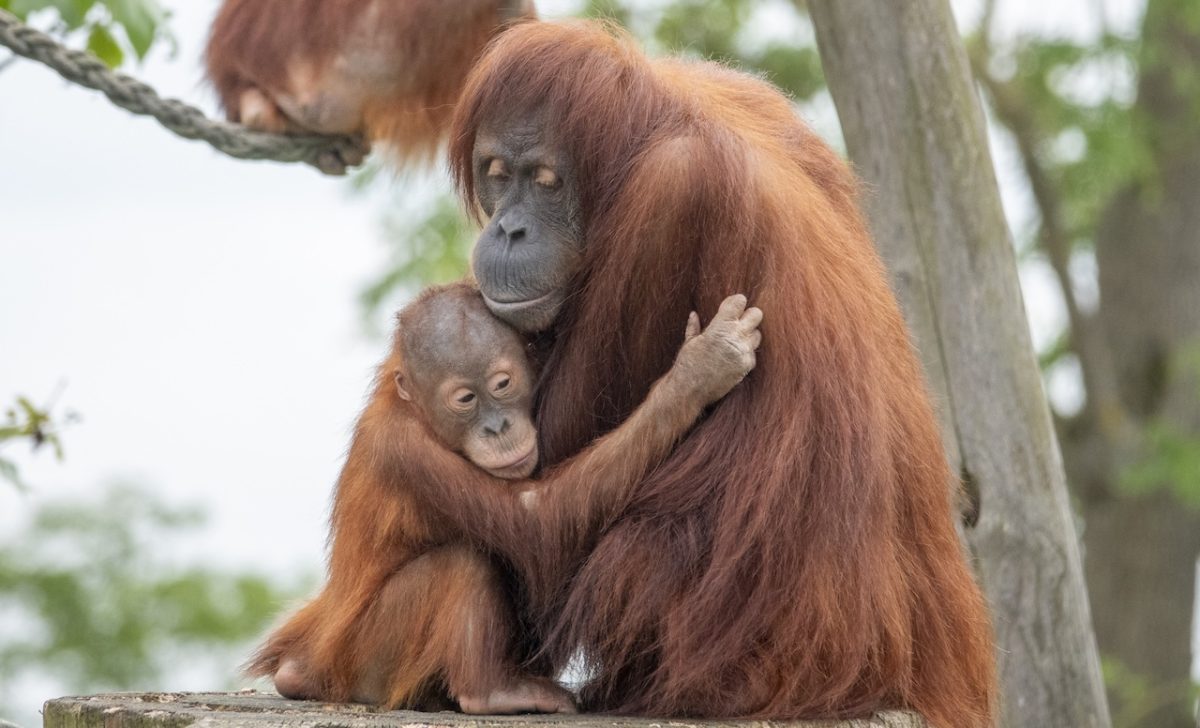
Somewhere between the lush botanical gardens and sprawling habitats of Pairi Daiza in Brugelette, Belgium, a quiet conservation victory is unfolding. Two orangutan families now live here, and their presence represents something far larger than a simple zoo attraction. These intelligent, fruit-loving apes are ambassadors for their species, and visitors who meet them might just become conservation advocates without even realizing it.
The three species of orangutan (Bornean, Sumatran, and Tapanuli) are all critically endangered. Deforestation for palm oil plantations, illegal logging, mining operations, and the exotic pet trade have decimated wild populations across Southeast Asia. Here's a grim statistic: for every single orangutan captured and sold as a pet, up to 11 others can be killed during the capture process. Many don't survive the journey at all.
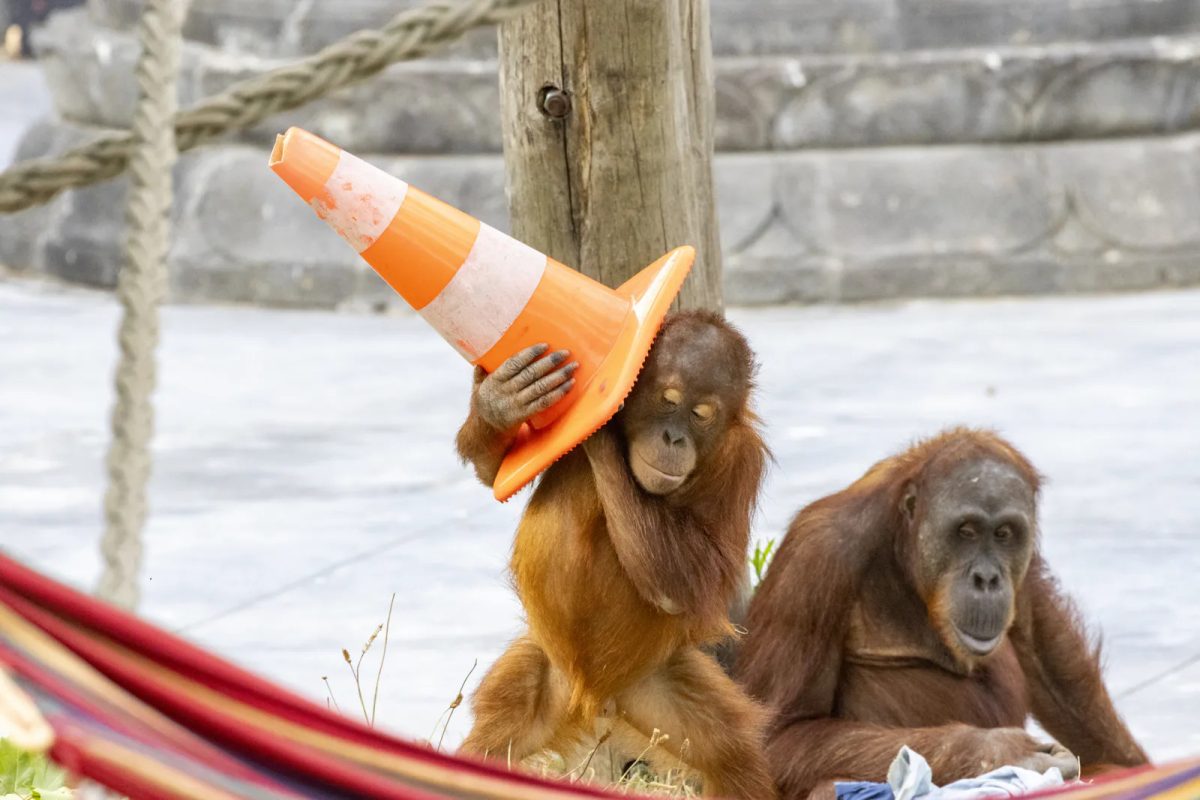
Yet there's something remarkable about orangutans that makes saving them matter beyond just the species itself. They're known as the "gardeners of the forest" because they eat fruit and disperse seeds throughout the rainforest canopy as they move. Without them, the entire ecosystem unravels. Their loss isn't just tragedy for the apes; it threatens the survival of forests that millions depend on.
Two Families Find a Home
Pairi Daiza is home to nine Sumatran orangutans divided into two family groups within its Kingdom of Ganesha. The original residents (Ujian, Sari, Berani, and Mathaï) live in the Flower Temple. In November 2025, Kembali, Rosa, Indah, Yori, and Bukit arrived from Frankfurt Zoo as part of the European Ex Situ Programme coordinated by the European Association of Zoos and Aquaria. This coordinated breeding program ensures healthy, genetically diverse populations while keeping family groups together.
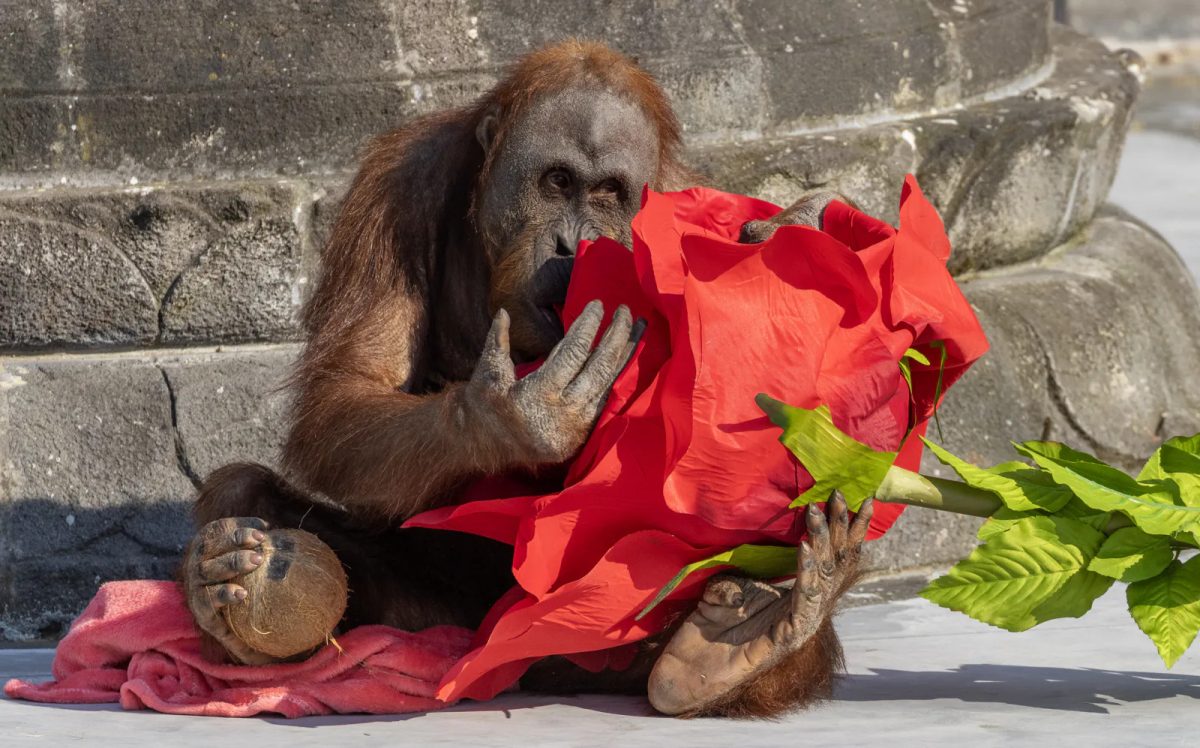
In July, both families spent time outside simultaneously for the first time. Niels Vandemeulebroucke, the park's orangutan caretaker, described watching Kembali's family explore their new environment as "a wonderful milestone." "For them, almost everything was new," he explained. "Trees to climb, ropes, branches, birds, toys, places to rest. You could really see how stimulating their world had become." The Flower Temple residents watched curiously from high in the trees but kept their distance, allowing both groups to settle into their own rhythms.
More Than Just a Zoo Visit
Pairi Daiza recognized that these animals could do more than survive in captivity; they could inspire action. The park hosts special "orangutan weekends" (like the one held in mid-August) where visitors meet the animals, join guided tours, and learn about the urgent threats facing wild populations. Staff share stories about the 2026 forest-fire season in Borneo, where forests that orangutans depend on face constant pressure. For many visitors, this direct encounter creates a personal connection that statistics alone cannot achieve.
Vandemeulebroucke's approach to animal care reflects this mission. "Our role is to keep challenging them," he said. "We continuously create new enrichments and opportunities to explore, think and interact, because orangutans are exceptionally intelligent animals." This isn't busywork. Orangutans in the wild spend their days problem-solving, navigating complex social hierarchies, and adapting to changing forest conditions. Captive animals need mental stimulation at similar levels to thrive.
The park itself occupies 75 hectares on the grounds of a former Cistercian abbey and houses more than 7,000 animals across multiple habitats. It's a destination worth the trip from anywhere in Belgium. Many Belgian travelers now prefer trains to planes for European trips, making Pairi Daiza an accessible day excursion or weekend getaway from Brussels or other major cities.
What Visitors Can Do
When you visit, you're not just watching animals. You're supporting conservation efforts that extend far beyond the park's borders. Pairi Daiza partners with organizations working to protect orangutan habitats in Borneo and Sumatra. Admission fees, donations, and merchandise sales fund these initiatives. More importantly, you become part of a growing movement of travelers who understand that seeing endangered animals in person can inspire lifelong commitment to their protection.
The orangutans at Pairi Daiza may live in Belgium, but their survival depends on what happens in the rainforests thousands of miles away. When you stand before them, watching Kembali's family explore their Kingdom of Ganesha with obvious intelligence and curiosity, you're witnessing both a species fighting to survive and a vision of what conservation can achieve. That moment sticks with you long after you leave the park.