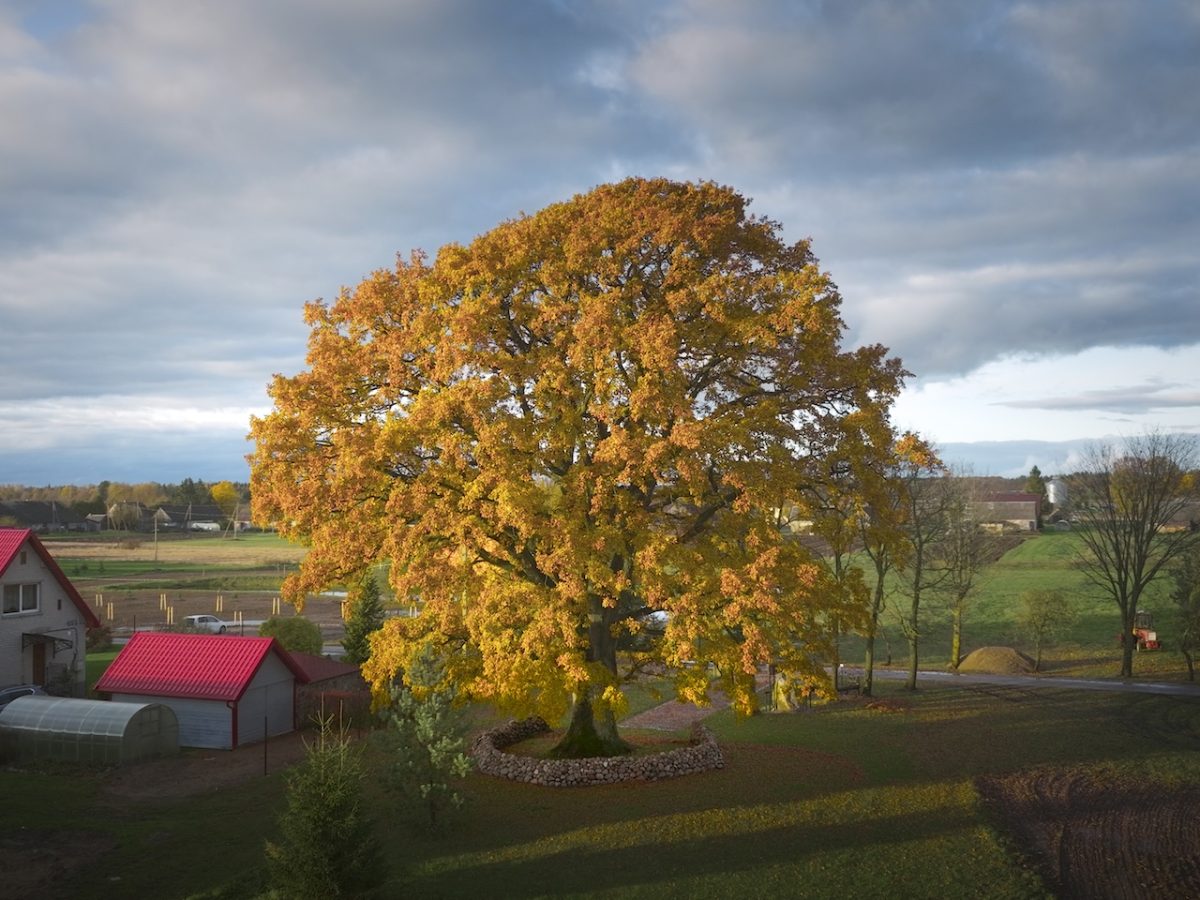
In the small village of Rukai, Lithuania, something extraordinary happened this spring. The Oak of Laukiai, a weathered giant that has been standing in the same spot for roughly 400 years, was crowned the 2026 European Tree of the Year. For most of its long life, this oak was known only to a handful of locals. Now it's captured the hearts of more than 200,000 voters across the entire continent.
The competition itself was ruthlessly close. A new "Tree Points" system replaced traditional voting this year, and a total of 32,902 points were cast across Europe. The Oak of Laukiai claimed first place, while Slovakia's Old Wild Apple Tree took second, and Poland's Crooked Elm of Szyslowiec rounded out the top three. The suspense lasted until the final vote was counted, according to contest coordinator Petr Skrivanek, who noted that "the ranking remained uncertain until the very last moment."
Why This Tree, and Why Now
The European Tree of the Year competition doesn't hand out awards based on size or Instagram appeal. What matters is depth. Cultural significance. The stories embedded in bark and roots. The Oak of Laukiai fits perfectly because it's become woven into the very fabric of Rukai's community life. Over the past year, local residents undertook a restoration of the surrounding area and organized celebrations in the oak's honor. That effort transformed what had been a quiet, overlooked landmark into a gathering place for the village. The sixth generation of local families is now growing up in its shadow.
The website for the contest drew 1.5 million visitors during the voting period, suggesting that Europeans are hungry to connect with their natural heritage in meaningful ways. "Trees are not only an integral part of the landscape, but are also perceived as bearers of stories, local identity, continuity, and people's connection to nature," noted Petr Valdman, Director of the State Environmental Fund of the Czech Republic.
The Other Contenders Tell Their Own Stories
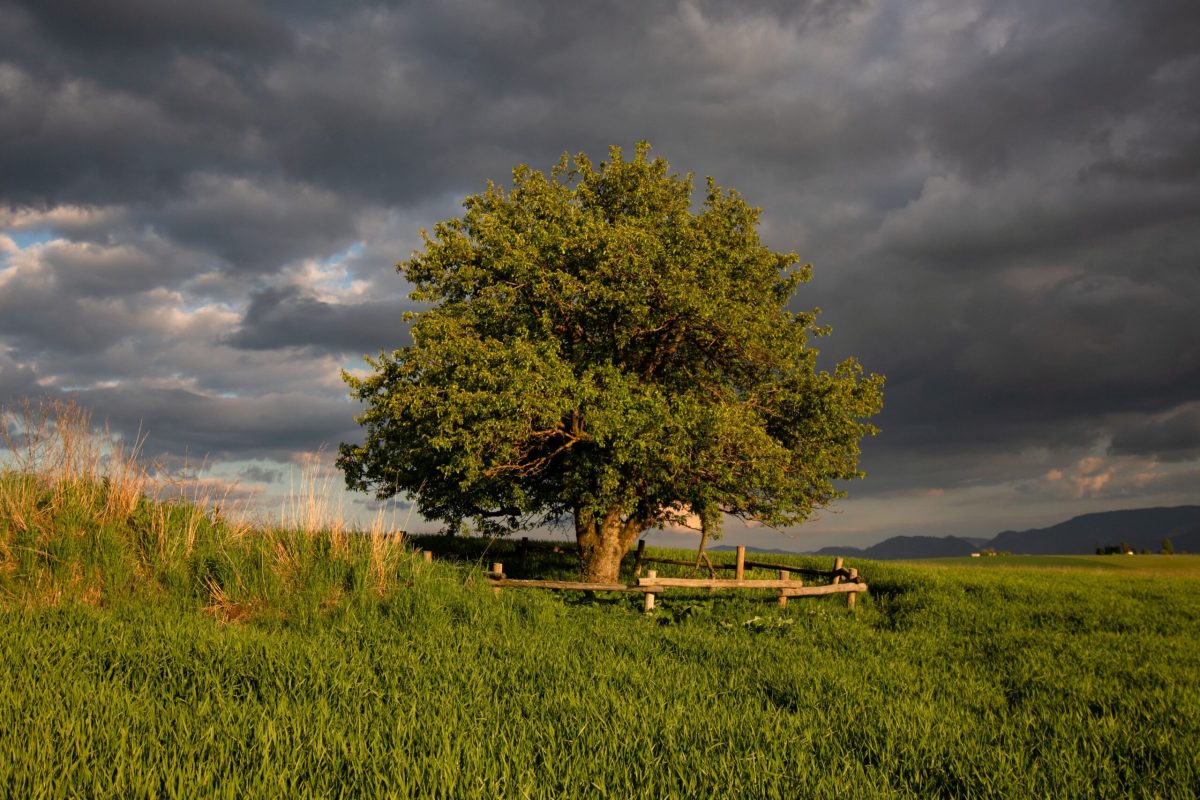
The runners-up each earned their place on this year's list through sheer perseverance and character. Slovakia's Old Wild Apple Tree has endured 150 years of punishing weather at 860 metres elevation, standing watch over the village of Diel like some gnarled sentinel. Poland's Crooked Elm earned its name honestly: it leans at an unusual angle because it grew on an island near a former castle moat, gradually bending and adapting to its strange environment over decades.
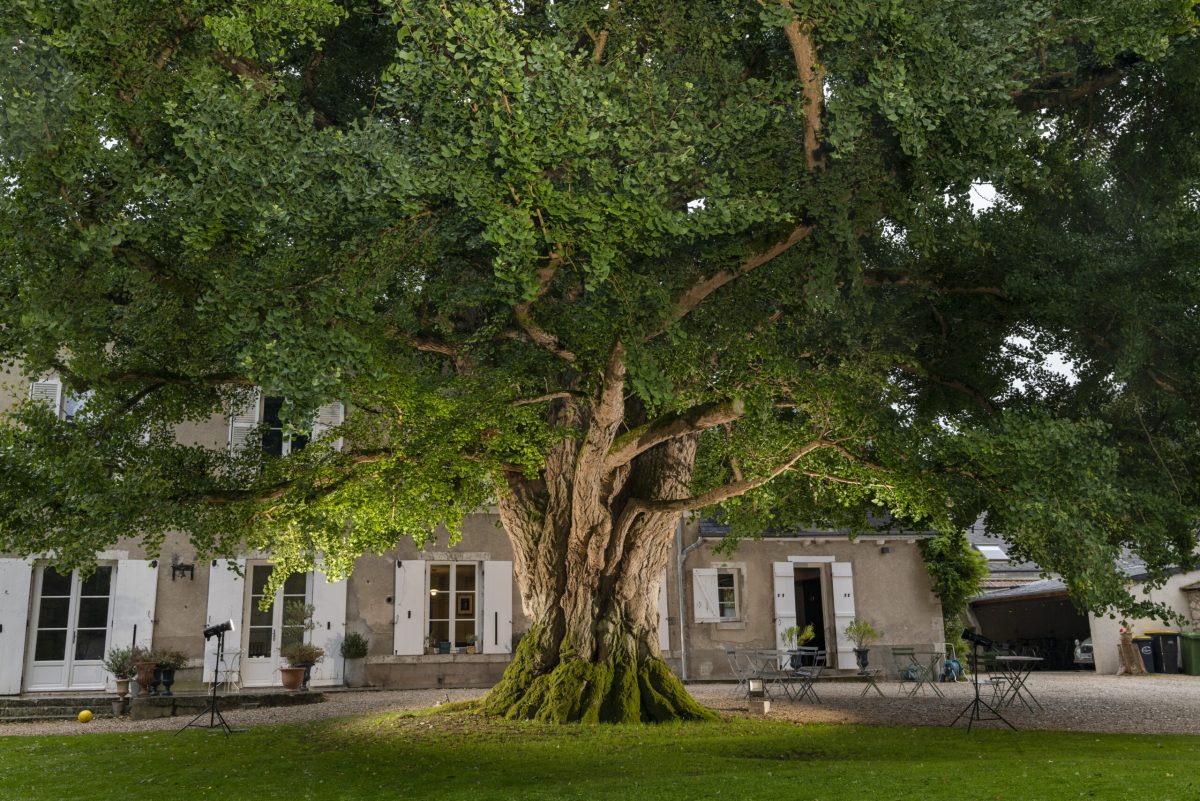
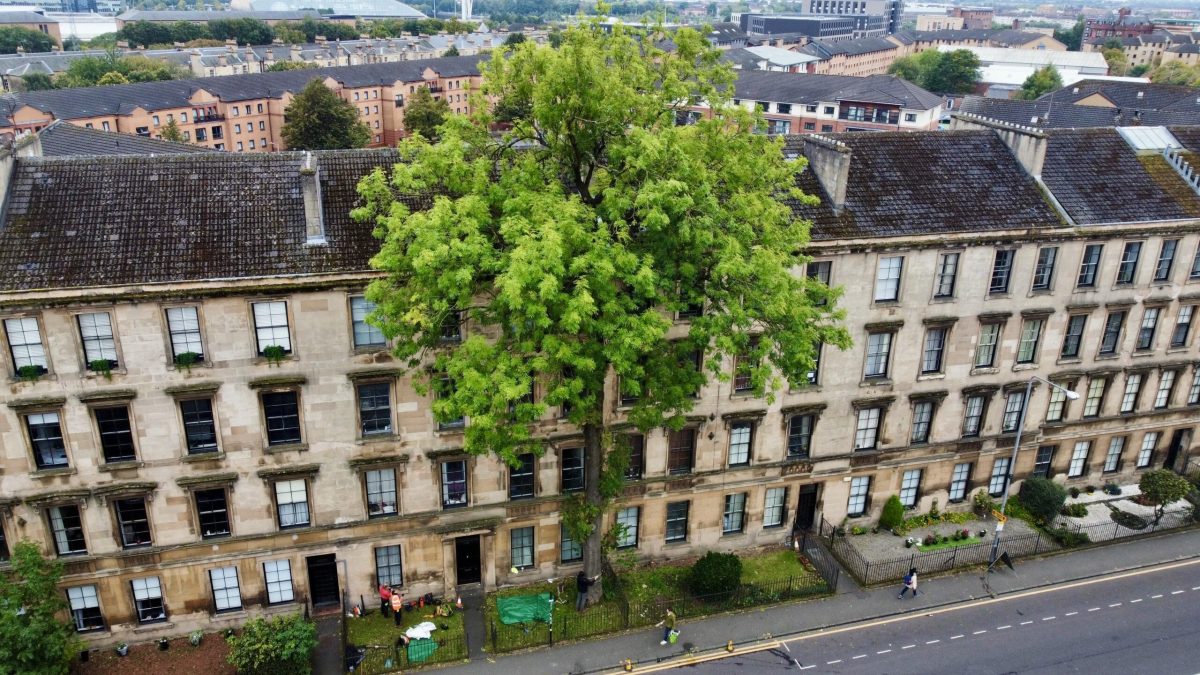
This year's competition featured 12 remarkable trees in total. Beyond the top three, the roster included the Czech Oak of Prince Ulrich, Portugal's Cedar of Runa, a Japanese Sophora from Ukrainian Chronomorsk, Latvia's Linden of Sacrifice, the Netherlands' Ledeboerpark Giant Sequoia, Croatia's Kostrena Oak, Hungary's Tree of Memories, the UK's Argyle Street Ash, and France's Ancient Ginkgo of St-Hilaire. Each one carries weight, history, and a community that cares enough to campaign for it.
From Brussels to the World
The award ceremony took place on 24 March at the European Parliament in Brussels, broadcast live across the continent. MEP Michal Wiezik from Renew Europe offered a reflection on what these ancient trees represent: "Old, magnificent trees are like silent pillars of our time. They stand firm where the world around them changes in a fast and unpredictable gallop. In their rings lies the memory of the landscape and of society." The event was backed by the Škoda Auto Endowment Fund, the Czech Ministry of the Environment, and the State Environmental Fund of the Czech Republic.
For travelers planning a journey through Lithuania or anywhere else in Europe, this competition offers an unexpected reason to venture off the beaten path. These aren't monuments built by empires or landmarks engineered by architects. They're trees that have watched over communities for centuries, absorbing rain and sun and snow, bearing witness to the lives unfolding beneath their branches. The Oak of Laukiai now stands as Europe's official champion of exactly that kind of quiet, patient presence. If you find yourself in Lithuania, it's worth the detour to Rukai to stand in its shade and understand what a quarter-million Europeans voted to protect.