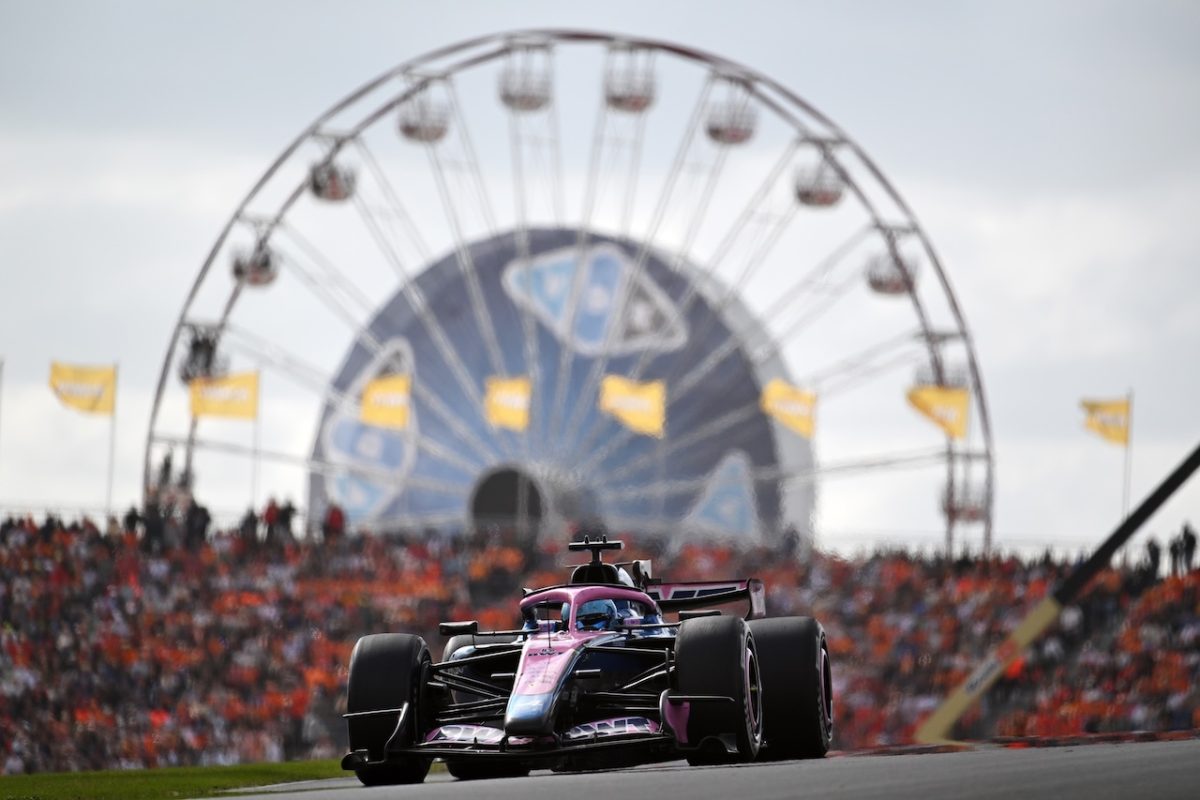
Zandvoort is one of those rare places where two completely different worlds collide naturally. Wedged between the North Sea and the dunes of North Holland, this Dutch seaside resort hosted one of motorsport's wildest spectacles for five years. On August 23rd, that era ended with the final Formula 1 Heineken Dutch Grand Prix, and it did not go quietly.
The farewell weekend offered something special: a chance to experience both the visible excitement that transforms Zandvoort into a racing destination and the hidden machinery that keeps Formula 1 running behind the scenes. We got access to both sides, and what we found reveals much about why the sport has become so important to companies like MSC Cruises.
How a beach town became a racing icon
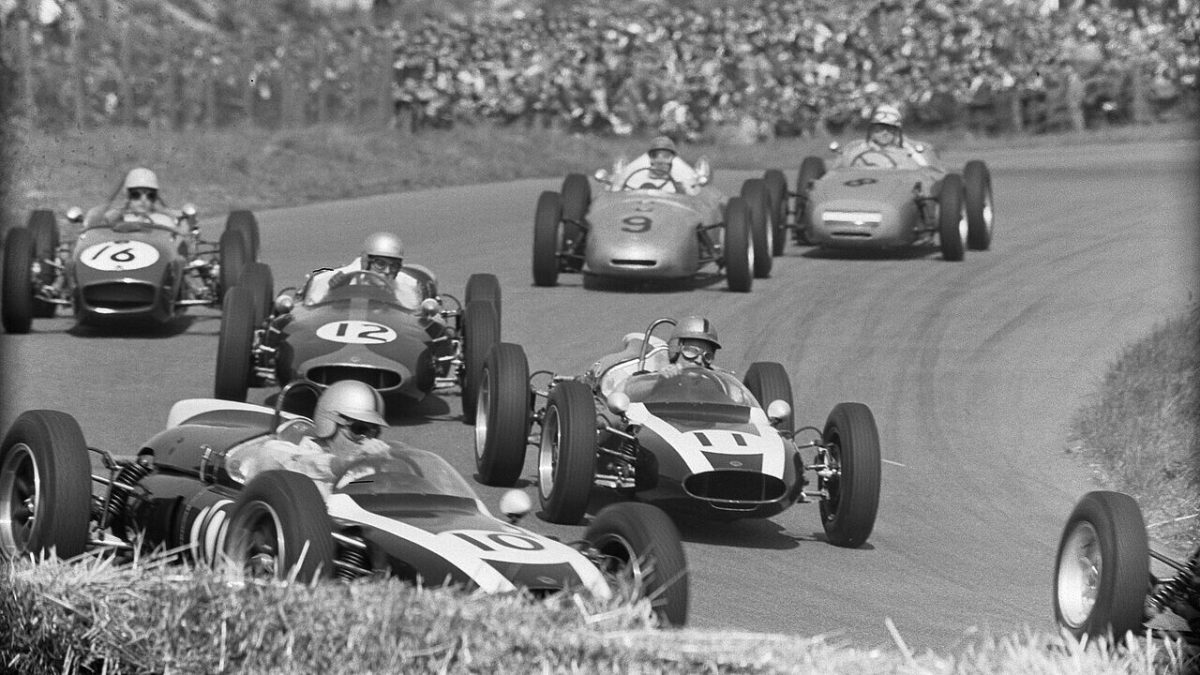
Motor racing came to Zandvoort in 1939, when locals organized a competition on a temporary street circuit. By 1948, a permanent track carved through the dunes appeared. Then in 1952, the Dutch Grand Prix joined the Formula 1 World Championship calendar. Over the decades, every giant of the sport won here: Alberto Ascari, Juan Manuel Fangio, Stirling Moss, Graham Hill, Jackie Stewart, and Niki Lauda. Lauda's victory in 1985 marked the last Dutch Grand Prix at Zandvoort before the race vanished for 36 years.
Everything changed in 2021. Max Verstappen's extraordinary popularity brought Formula 1 roaring back to the Netherlands, and the response was overwhelming. Hundreds of thousands of orange-clad fans descended on the town each year, transforming the entire destination into a three-day festival that swallowed the place whole.
But Zandvoort has always been more than a racetrack. The nine-kilometre beach, beach pavilions, dunes, and nature reserves make it a genuine year-round destination. The railway station sits within walking distance of the centre, beach, and circuit, with direct trains connecting to Amsterdam and Haarlem. That accessibility matters. During Grand Prix week, racing takes over everything. Streets fill with decoration, entertainment spreads through the village centre, and fans without circuit tickets gather around massive outdoor screens. For its final edition, Zandvoort created an outdoor photographic exhibition documenting Formula 1's return since 2021, turning the entire town into a farewell gallery.
A dramatic and wet goodbye
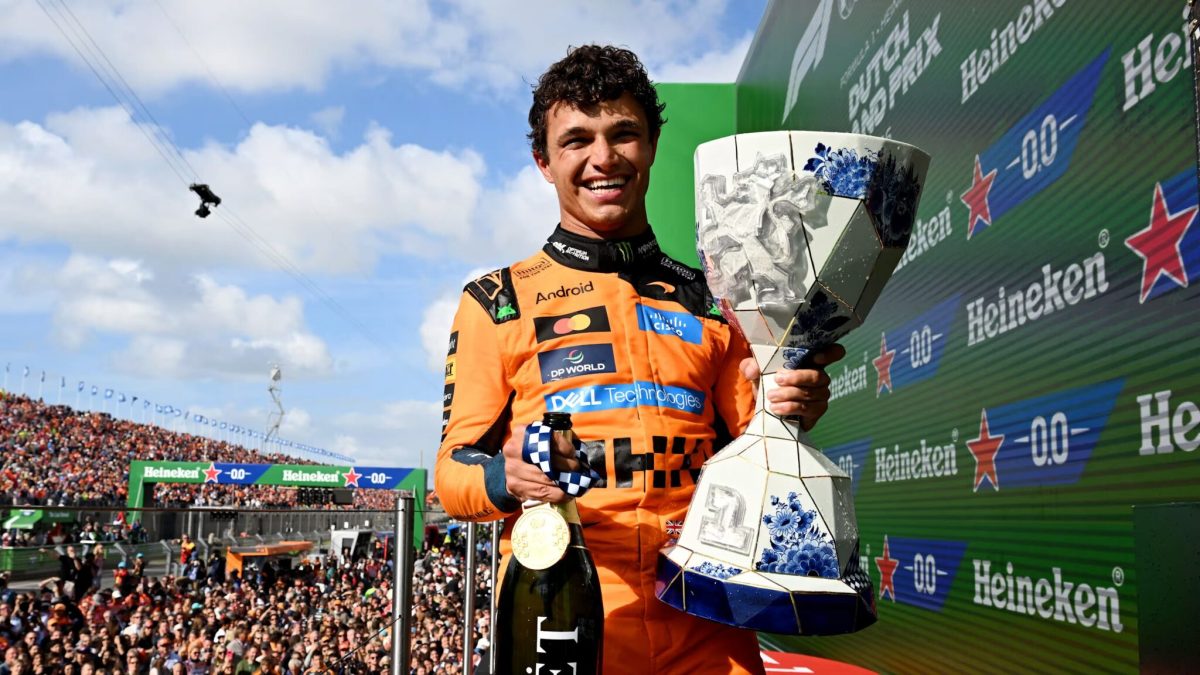
Heavy rain complicated race preparations, setting the tone for what would become a chaotic afternoon. Max Verstappen, racing in front of his home crowd, crashed heavily on lap two. The red flag flew, and hopes of a fairy-tale Dutch ending vanished instantly. Lando Norris eventually claimed victory for McLaren after a hard-fought battle, finishing ahead of Mercedes drivers Kimi Antonelli and George Russell. Alpine's Pierre Gasly secured the final championship point in 10th place, while Franco Colapinto finished 14th.
For Norris, winning Zandvoort's farewell race held special weight. He described it afterwards as one of his better victories and emphasized how much it meant to win the final race at a circuit that had just closed its gates.
What happens when the cameras stop rolling
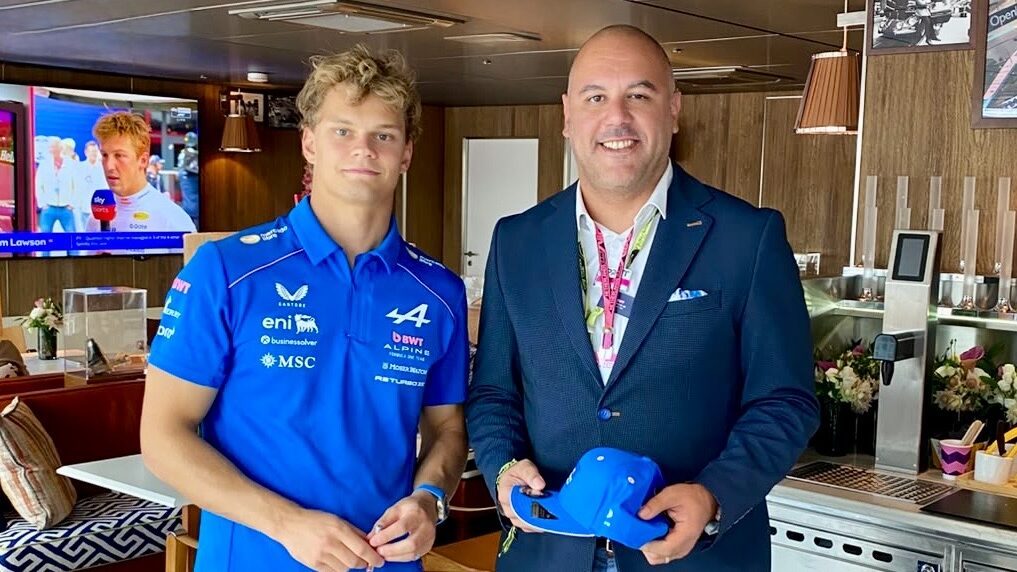
The most revealing moments in Formula 1 rarely make it onto television. Behind the scenes, the sheer scale and precision of the operation is staggering. Engineers swarm around the Alpine cars, constant activity pulses through the garage, the pit lane operates with military coordination, and hundreds of people orchestrate every movement around two racing machines. We spent time in that world, watching the machine work. We also met Paul Aron, a young Alpine driver climbing toward the highest level of the sport, offering a glimpse into what the next generation is chasing.
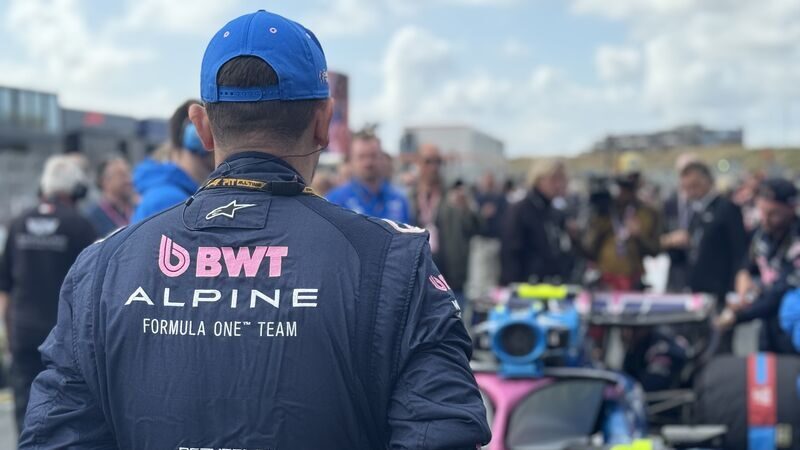
That paddock experience actually explains why MSC Cruises has invested so heavily in Formula 1. The cruise line became a Global Partner of Formula 1 in 2022 and joined BWT Alpine Formula One Team as a Premium Partner in February 2025. At first glance, cruising and high-speed racing seem entirely unrelated. Look closer, though, and the connection becomes clear. Both depend on complex logistics, cutting-edge technology, teamwork, hospitality, and the coordination of enormous international operations where precision is not optional.
Scale matters too. Formula 1 races across five continents. MSC Cruises sails to more than 100 countries and welcomes guests from 185+ nationalities. Across the broader MSC Group, roughly 120,000 people work worldwide. Wim Willems, Press Officer for MSC Cruises Benelux, sees this alignment as central to the partnership. "Formula 1 and MSC Cruises are both truly global," he explains. "Formula 1 brings together fans across five continents, while MSC Cruises sails to more than 100 countries. Together with our broader group, that international reach defines who we are. Formula 1 gives us an exceptional platform to connect with people across borders through shared passion."
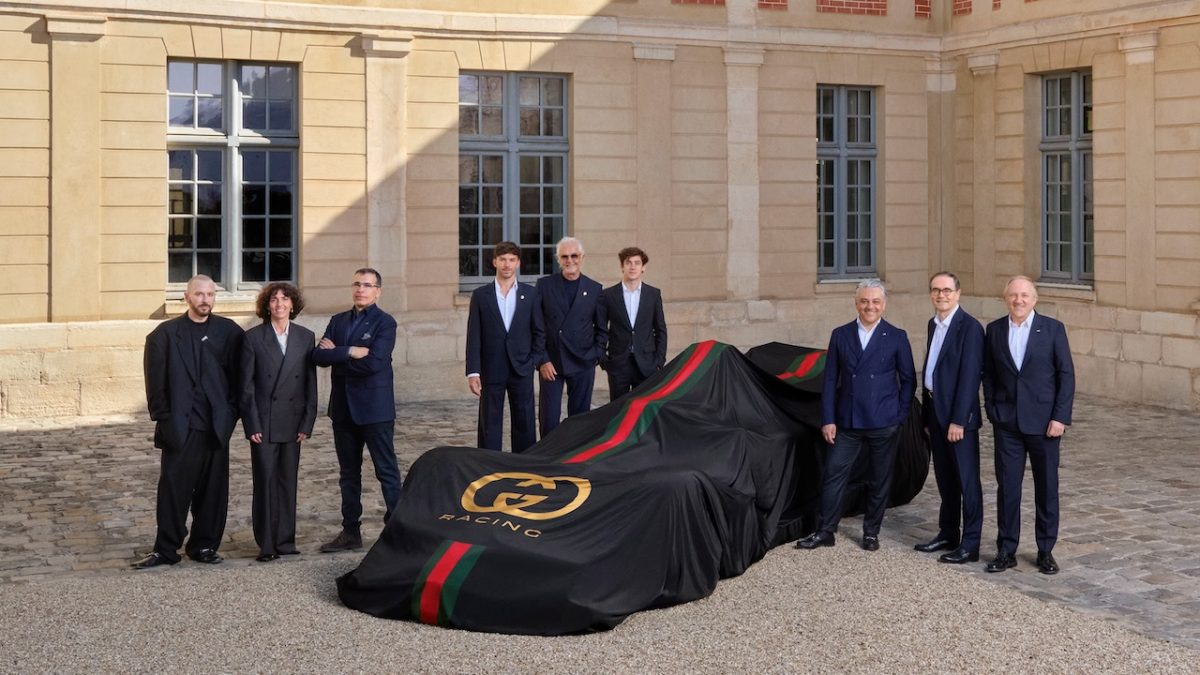
The partnership extends beyond slapping logos on cars. MSC Cruises builds experiences around the sport, bringing guests closer to teams and offering access to a world usually visible only from the grandstands or television. Earlier this year, in January, BWT Alpine Formula One Team unveiled its 2026 livery aboard MSC World Europa, making history as the first Formula 1 team to reveal its colours on a cruise ship. You can still book experiences aboard MSC vessels that connect to the sport.
Zandvoort's final Grand Prix marked the end of an unlikely chapter where a quiet beach town briefly became one of motorsport's most recognisable destinations. But the story of how racing, travel, and hospitality intersect? That's just getting started.