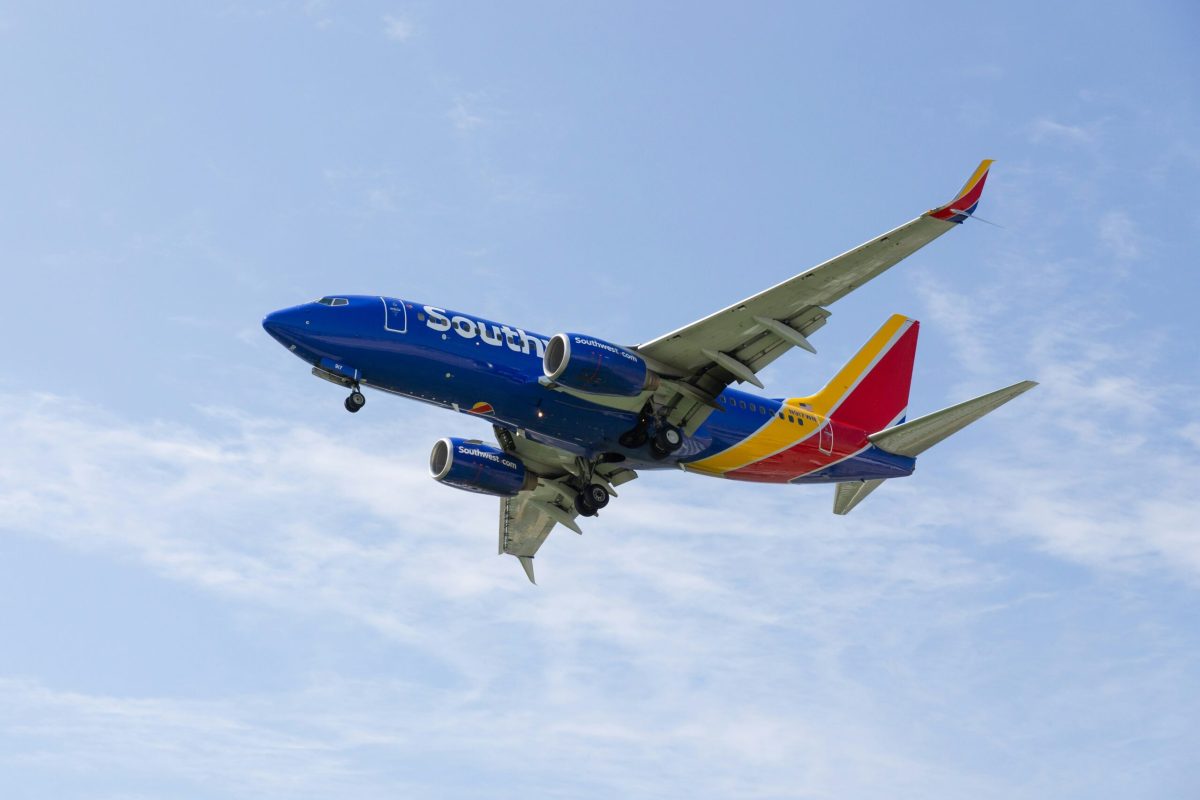
Your trusty phone charger might be about to cause a scene at the airport. Southwest Airlines is joining a wave of carriers worldwide in imposing strict new rules around portable battery packs, and the regulations are stricter than you might expect.
Beginning April 20, 2026, Southwest passengers will be allowed to carry just one portable charger on board, and it must stay within arm's reach at all times. No tossing it in the overhead bin. No stashing it in checked luggage. The device needs to be visible in your lap, backpack, or seat pocket the entire flight so crew can spot trouble fast if it starts overheating.
Why Airlines Are Suddenly Freaking Out About Chargers
This isn't overblown fear-mongering. In 2025 alone, the Federal Aviation Administration recorded 97 incidents involving portable charger safety. A few years back, an Air Busan flight in South Korea came dangerously close to disaster when a charging device caught fire and nearly destroyed the aircraft during boarding. Everyone evacuated safely, but the message was clear: lithium-ion batteries and pressurized cabins don't mix well.
Here's the physics: lithium-ion batteries can experience what experts call "thermal runaway," a vicious cycle where the device heats up faster than it can shed that heat. The result isn't just a small fire. We're talking toxic gas emissions, violent explosions, and intense flames in a metal tube full of jet fuel, thousands of meters above the ground with nowhere to go. A flight attendant can't exactly throw a burning charger out the window.
Asian authorities moved fast. Singapore's Civil Aviation Authority capped power banks at two per passenger starting April 15, 2026. Southwest went further, tightening the rules to just one device and requiring visual supervision throughout the flight. Dave Hunt, the airline's Vice President of Safety and Security, says passengers will get detailed guidance when they book and again at the gate.
This Problem Is Only Getting Worse
The timing matters. More people are working, streaming, and gaming on flights than ever before. In-flight Wi-Fi has exploded (metaphorically speaking). Everyone's running their phones, tablets, and laptops down to zero battery by the time they land, which means more people desperately hunting for a charger once they're airborne. Some planes now offer in-seat power, which actually creates another layer of risk because passengers are charging their chargers mid-flight.
The FAA expects incidents to climb even higher as battery-powered devices become standard travel gear. Many travelers don't realize the danger at all. They stuff a power bank in their pocket like it's a pen and think nothing of it. That casual indifference is exactly what keeps aviation safety officials up at night.
What You Actually Need to Do
Before your next trip, check your specific airline's rules. Southwest's restrictions are now among the tightest in the industry, but other carriers are also tightening their policies. Some have limits on wattage. Others require certified devices only. A few are banning power banks entirely unless passengers keep them powered off completely.
The International Civil Aviation Organization recently issued guidance on portable battery packs and their safe transport on aircraft, which has triggered a domino effect of policy changes across global carriers. Check your airline's website when you book. Look again when you print your boarding pass. Ask at the gate if you're uncertain.
Travel is complicated enough without getting stopped at security over a charger you've been carrying for five years. Do your homework before you leave home, and you'll avoid surprises on travel day. Like most rules that suddenly feel restrictive, this one exists because someone learned a hard lesson in the sky.