Here's something that might shock you about cruise shopping: nearly nine out of ten people searching for a cruise online never bother looking at what anyone else is offering. They find a brand, they like it, and they book it. Done.
That's the core finding from a recent analysis by Verve, an advertising platform that studied search patterns, AI conversations, and consumer surveys across the United States. The number is staggering. Only 8.9% of prospective cruise passengers actually compare two or more brands before making a decision. For an industry built on choice and options, that's a remarkable constraint.
How AI Changed the Game
The culprit, Verve found, is how modern search tools work. Conversational AI agents and apps point travelers toward cruise lines so quickly after an initial search that people never develop the urge to shop around. You ask a question, the algorithm suggests Royal Caribbean or Norwegian, and that's where your journey ends.
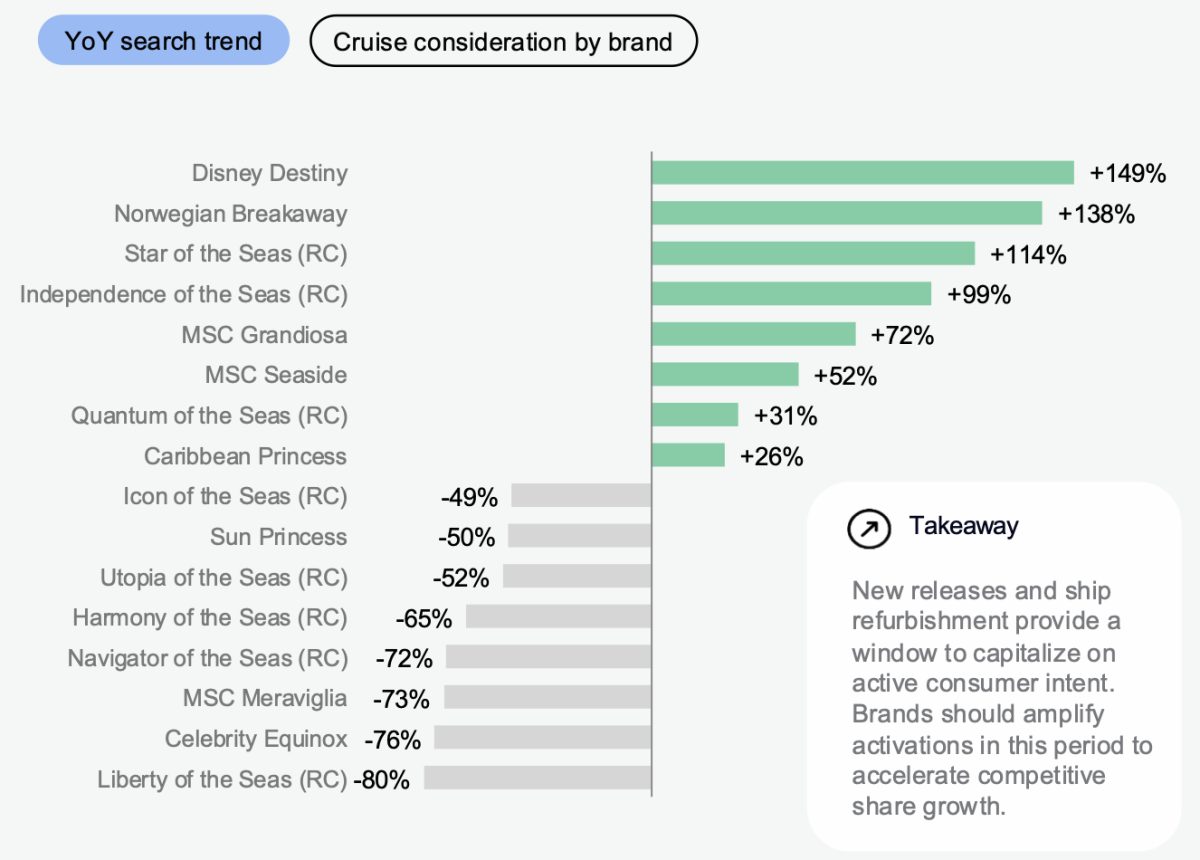
This shift has real consequences for how cruise lines spend money on marketing and customer acquisition. When a new ship launches or a major promotion launches, those moments become your window to capture attention. About 90% of branded cruise searches focus on specific vessels rather than cruise lines as a whole. That means the industry thrives on hardware announcements and ship debuts as genuine customer magnets.
Royal Caribbean Still Rules
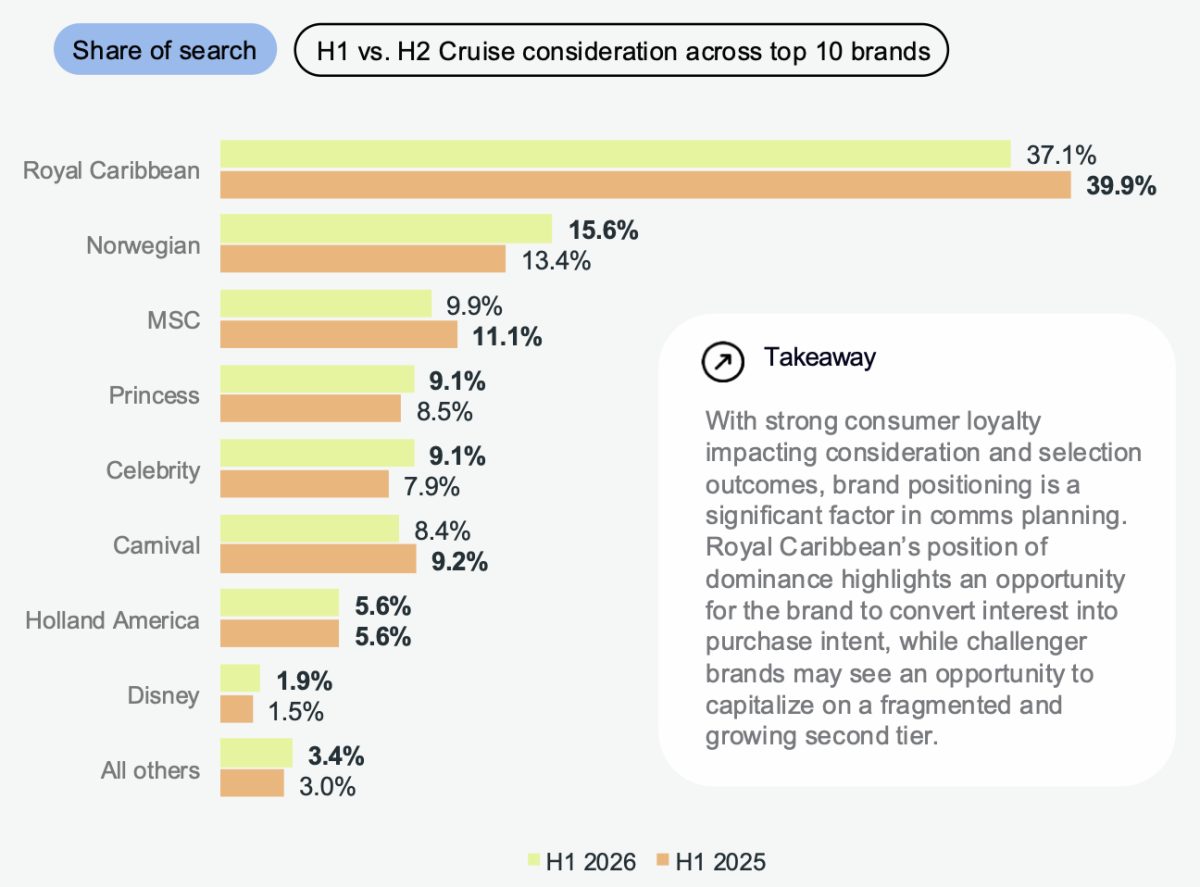
Royal Caribbean dominates the search landscape, commanding 37.1% of all branded cruise searches. That's a commanding lead, though the company did lose 2.8% of its market share year over year, suggesting competitors are nibbling at the edges. Norwegian Cruise Line claims 15.6%, while Celebrity, MSC, and Princess each hover between 8% and 10%. Alaska cruises are back and bookings just opened for 2028, which should shake up search patterns across multiple cruise lines.
Price Wins Over Everything Else
When people are making decisions within that single brand they've chosen, what matters most? Price and value, hands down. Sixty percent of cruise searchers rank affordability as the decisive factor. The destination and itinerary? That moves the needle for only 26% of shoppers. The onboard experience, which cruise lines spend fortunes perfecting, influences just 14% of booking decisions.
This explains why Mexico's cruise fees are about to triple, and why consumers are paying close attention. Port fees, taxes, and surcharges matter to travelers who are already price-sensitive. The race to the bottom on fares has become the real battleground for cruise operators.
The Booking Timeline Keeps Shifting
Travelers are booking later than ever before. Nearly three-quarters of cruise passengers who plan to travel within the next year haven't reserved their trips yet. Only 21% have locked in their booking, and another 6% say they'll book soon. Everyone else is waiting, hunting for deals, or trying to sidestep geopolitical disruptions and price spikes.
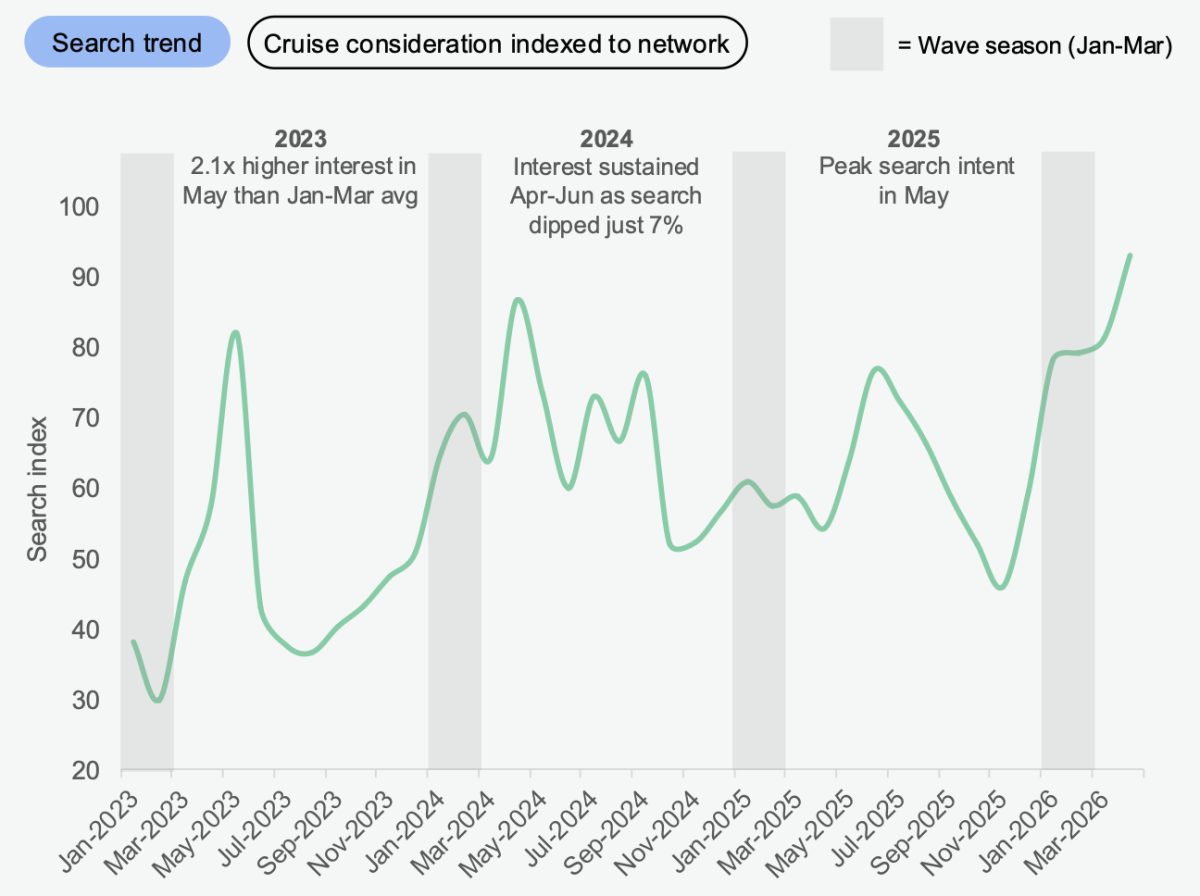
This wait-and-see approach is reshaping when cruise companies invest in advertising. The traditional wave season, which runs January through March, has stretched into spring and beyond. Cruise demand no longer follows a predictable seasonal pattern. Instead, it's becoming more like shoulder seasons in land and air travel, where prices stay competitive and crowds stay manageable for longer stretches of the year.
Luxury Cruising Is Booming
There's one bright spot for premium pricing: luxury and upscale cruises are taking off. Search volume for luxury cruise options jumped 109% year over year, far outpacing the 66% growth for standard ocean and river cruises. Travelers with deeper budgets are splurging on premium experiences, even as mainstream cruise shoppers squeeze every dollar.
What does this all mean for your next cruise vacation? Be aware that AI is guiding your choices, sometimes invisibly. If you want real options, push back against the algorithm. Search multiple brands deliberately. Compare what Norwegian, Celebrity, and specialty lines like Silversea are offering before you commit. And book strategically. Wait long enough to catch a deal, but not so long that availability evaporates. The market is moving fast, and the brands that stay ahead of your expectations are the ones winning your loyalty.