On August 17, 2026, Pierre Michel Formosa, a 68-year-old visitor from France, set out to explore one of the world's most hostile environments. He and his travel companion were driving the West Side Road through Death Valley National Park when their vehicle became stuck in mud near Queen of Sheba Mine Road. It seemed like a manageable problem. They would walk to get help. What happened next unfolded in the span of a few brutal hours and ended in tragedy.
With no other travelers nearby and cell service nonexistent, the two men decided to head on foot toward Badwater Road, roughly 1.3 miles away across the salt flats. The temperature that day reached 116 degrees Fahrenheit (46 degrees Celsius). After walking just over a mile, Formosa told his companion he couldn't continue. His friend pushed on alone, eventually flagging down a motorist who drove him to the Furnace Creek Visitor Center around 2 pm. That's when a full search and rescue operation kicked into gear, involving National Park Service rangers, an Inyo County deputy, and a California Highway Patrol helicopter.
They found Formosa 1.5 miles from Badwater Road later that afternoon. He was already gone.
A Landscape That Doesn't Forgive
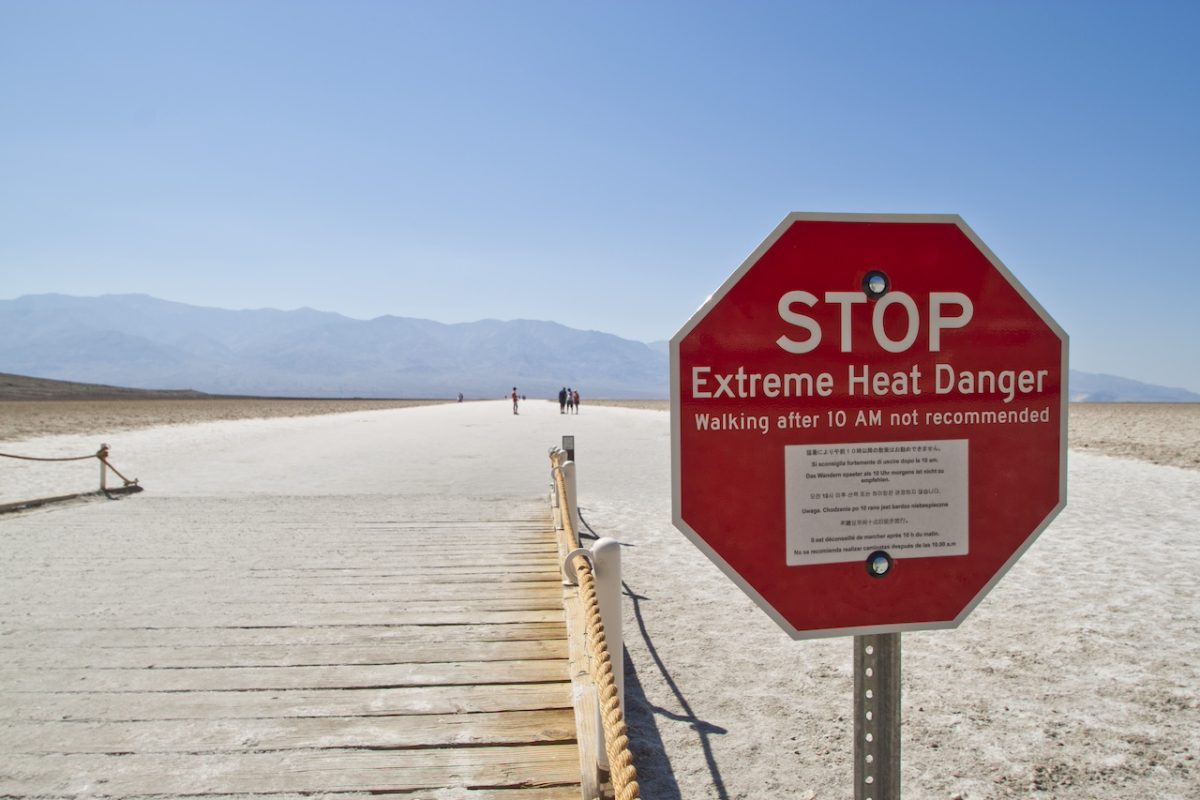
Death Valley holds the distinction of being the hottest, driest, and lowest national park in the entire United States. Established in 1916, this sprawling desert wilderness straddles the California-Nevada border and has spent more than a century breaking its own heat records. The park earned its ominous name honestly. What makes it so dangerous isn't just the temperature, though 116 degrees is life-threatening on its own. It's the combination of extreme heat, vast distances between help, limited cell service across huge sections of the park, and the way conditions can deteriorate faster than most people expect.
Mike Reynolds, superintendent of Death Valley National Park, released a statement after Formosa's death that acknowledged the brutal reality of the place. "Our deepest condolences are with the family and friends of the visitor who died. This is a heartbreaking reminder of how quickly conditions here can turn dangerous. Death Valley is an extraordinary place, but its heat, distances, and remoteness can be dangerous, regardless of experience."
The park sees roughly a million visitors each year. Most experience it safely. But the margin for error is razor-thin, and mistakes that might be inconvenient elsewhere become life-threatening here.
Planning Actually Matters Out Here
Death Valley's remoteness is part of its draw. You come here to feel isolated, to witness landscapes that look almost alien. But that same remoteness is what makes preparation non-negotiable. The National Park Service offers specific guidance that every visitor should read and follow before arriving.
- Check your route and current weather conditions before you go. Conditions change without warning, and some roads require high-clearance or four-wheel-drive vehicles.
- Tell someone where you're heading and when you expect to return. This is basic, but critical. If something goes wrong, rescuers need to know where to look.
- Bring water. The park recommends one gallon per person per day, plus extra for vehicle emergencies. Many people underestimate this.
- Match your vehicle to the terrain. A sedan stuck in mud becomes a problem fast. A proper vehicle is your backup plan.
- Carry a satellite communicator or emergency beacon. Cell service is sparse or nonexistent in large areas. Having a backup way to call for help could save your life.
- If your vehicle breaks down, stay with it. Your car provides shelter and shade. It's also far easier for search teams to spot from the air than a person walking across open terrain.
- During extreme heat periods, stick to paved roads and avoid hiking at lower elevations.
These aren't suggestions. They're the difference between a story and a tragedy.
The Lesson Nobody Wants to Learn This Way
Formosa wasn't inexperienced or reckless. He was a seasoned traveler exploring one of Earth's most remarkable landscapes. What happened to him could happen to almost anyone who underestimates Death Valley's power. The human body simply cannot function in this heat for extended periods, especially not while exerting itself walking across open ground with minimal water and no shade.
If you're planning a visit to one of North America's crown jewel national parks, approach Death Valley with respect. The park's otherworldly beauty is real, and it's absolutely worth experiencing. But come prepared. Come informed. Come with contingency plans and communication devices and more water than you think you'll need. Come knowing that this place operates by different rules than gentler landscapes.
Death Valley demands honesty from travelers. Admit what you don't know. Admit the limits of your preparation. Admit that walking for help across salt flats in 116-degree heat is not survivable for most people. Make the decisions that get you home to tell the story instead of becoming the cautionary tale.