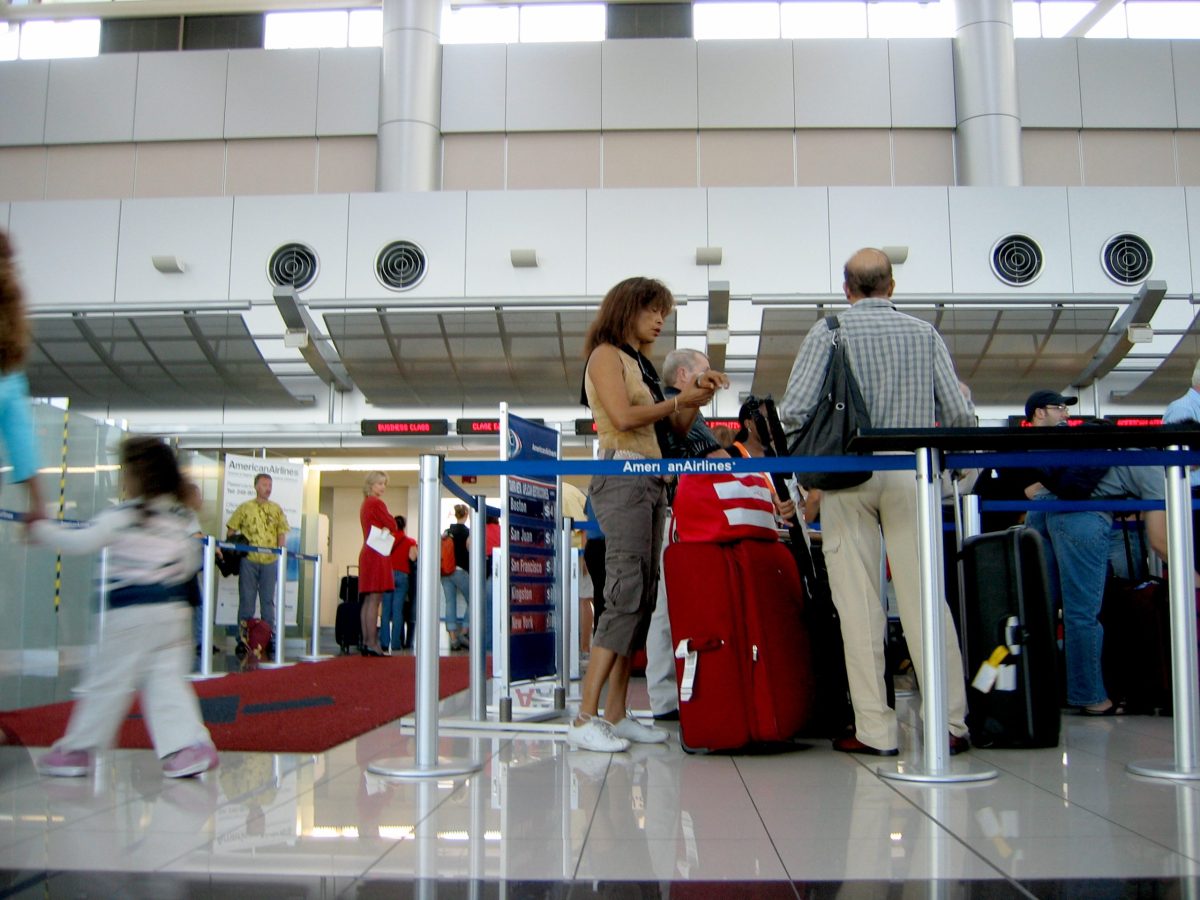
The American travel experience just got messier. A partial government shutdown at the Department of Homeland Security has thrown airport security into limbo, leaving millions of passengers wondering whether their trusted fast-track programs will still work when they need them most.
What's Actually Closing
Starting February 22, 2026, two major convenience programs face potential suspension: TSA PreCheck, which lets vetted travelers skip lengthy security lines at US airports, and Global Entry, which gives pre-approved international arrivals faster customs and immigration processing. These aren't luxuries for the wealthy. PreCheck costs $85 to $100 every five years, and Global Entry runs $100 for the same period. Thousands of budget-conscious and business travelers rely on them to reclaim hours otherwise lost to security queues.
But here's where it gets confusing. The Department of Homeland Security initially suggested a complete shutdown of both programs, but later clarified that closures won't be uniform across the country. Instead, availability will depend on staffing levels and operational capacity at individual airports. Some hubs may maintain full service while others scale back or temporarily halt expedited lanes altogether.
The Real Cost of Political Gridlock
What started as a budget standoff between Congress and the White House has become a direct hit on ordinary travelers. Airlines for America, the industry's main trade group, expressed deep concern about the situation, describing how the traveling public is being treated as collateral damage in a political dispute. TSA officers themselves are working without paychecks, adding insult to already mounting chaos.
Department of Homeland Security Secretary Kristi Noem acknowledged the shutdown's consequences, noting that it affects "the men and women of DHS and their families who go without a paycheck" and creates national security risks. The shutdown forced her office to make what she called "tough but necessary workforce and resource decisions." Democrats countered that the administration was deliberately "kneecapping programs that make travel smoother and secure."
Timing Couldn't Be Worse
The shutdown's arrival coincides with a historic blizzard pounding the US East Coast, creating a perfect storm of travel disruption. Over 6,000 flights have been wiped from schedules, with roads and coastal areas facing potential closures. The Trump administration's response to the budget standoff has also directed the Federal Emergency Management Agency to halt deployment of hundreds of aid workers to disaster-affected regions, compounding the crisis.
Who's Still Working (and Who's Not)
Not all DHS employees face the same situation. FEMA, TSA, and Coast Guard staff are classified as "critical" personnel, meaning they continue working even without pay. ICE and Customs and Border Protection officers have a cushion: they're receiving salaries thanks to $75 billion in funding that President Trump approved in 2025.
For travelers, the practical reality is this: arrive at the airport significantly earlier than usual. Don't assume your PreCheck or Global Entry will function smoothly. Download airline apps to monitor real-time flight status. Check airport websites before heading to the terminal, as availability of expedited screening varies by location and shifts as staffing changes.
This shutdown reveals a uncomfortable truth about modern air travel in America. Security programs designed to ease traveler friction become political leverage in budget battles, and the people who depend on reliable, efficient airport processes pay the price. Whether you've got PreCheck or not, pack extra patience for your next trip.