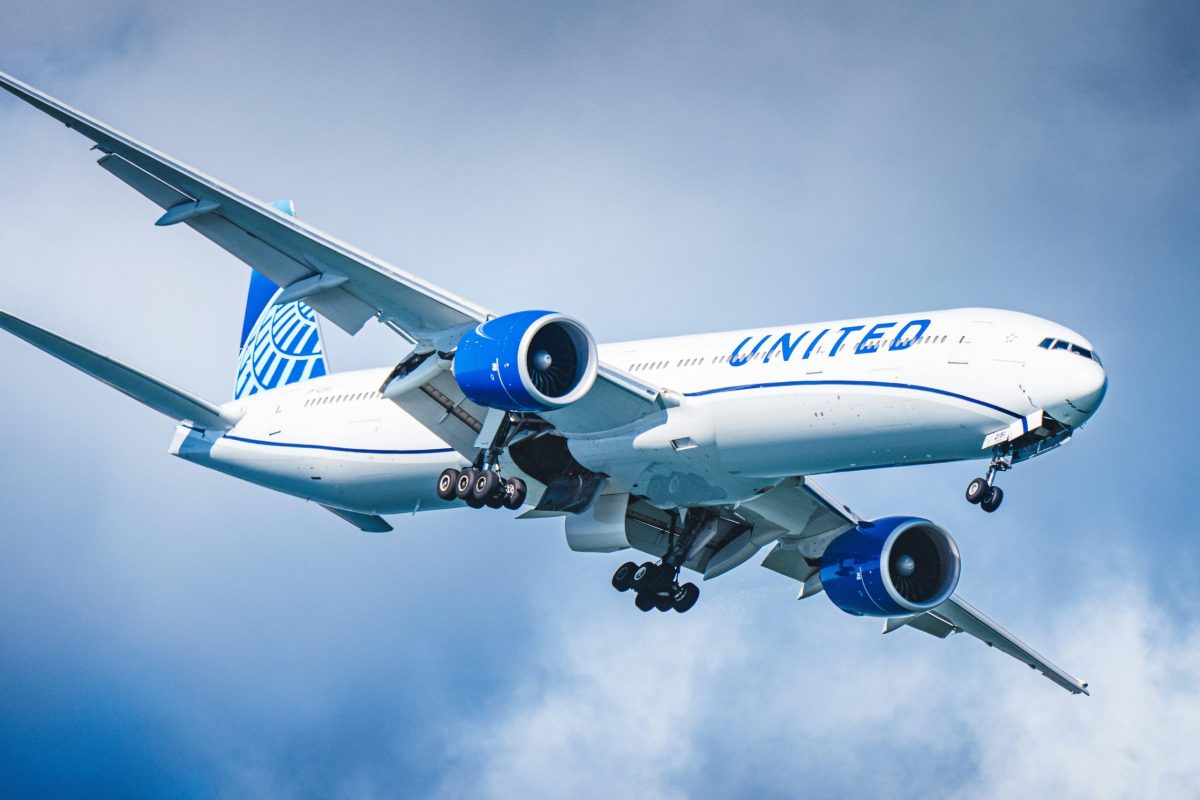
United Airlines has drawn a line in the sand. As of November 11, 2026, the carrier will no longer allow travelers to use AI agents to book flights. The decision comes amid growing security concerns and legal gray areas that have left airlines and regulators scrambling to keep pace with the rapid rise of autonomous shopping tools.
AI agents like Meta's Muse and OpenAI's 'dots' have evolved beyond simple research. They can now complete purchases on your behalf, managing everything from flight selection to payment. But United says that convenience comes with a catch. Sharing your account credentials with third-party AI assistants can expose sensitive information, and the airline warns that these tools might make unintended purchases, alter your account, or burn through your MileagePlus miles without your knowledge.
The airline's concerns aren't just theoretical. Earlier this year, American Airlines' AI agent AURA was caught changing bookings without passenger consent, a glitch that rattled travelers and raised red flags across the industry. United's move is a direct response to such incidents, and it's not alone in questioning whether AI should be trusted with travel transactions.
Why AI Can't Check You In
There's also a legal hurdle that AI simply can't clear. When you check in for a flight, you're required to confirm that your luggage doesn't contain prohibited items. That's a personal declaration, one that carries legal weight. AI cannot make that confirmation on your behalf, which makes the entire booking process legally murky when an autonomous agent is involved.
United is now taking steps to block AI agents not just on its own platforms, but also through travel agencies and aggregators. The goal is to keep unauthorized third-party assistants out of the booking loop entirely. It's a bold stance, and one that sets United apart from some of its rivals.
A Divided Industry
Not every airline is following suit. Delta, American, and JetBlue still allow customers to book with agentic AI platforms, though they place the ultimate risk on the traveler. That's a stark contrast to United's more cautious approach, and it highlights a growing split in how carriers view the role of AI in the travel experience.
For travelers, the news is a mixed bag. On one hand, AI agents can be incredibly efficient, often better than humans at resisting upsells and finding the best deals. On the other, the potential for errors, security breaches, and unintended charges is real. A recent survey by hospitality tech firm Mews found that while over half of European and US consumers are happy to use AI for translations, recommendations, or summarizing reviews, less than half would trust it to plan or book an entire itinerary.
United's decision also reflects a broader struggle within the industry. Airlines are trying to balance customer convenience with the need to keep travelers inside their own booking ecosystems, all while navigating a patchwork of federal laws that haven't caught up with the technology. Ryanair has already fought high-profile battles with third-party booking sites, and United's move could be seen as a preemptive strike against a new, even more powerful intermediary.
As aviation analyst Henry Harteveldt pointed out, United may be reluctant to add another layer of complexity to an already crowded field of Google searches, metasearch sites, and online travel agencies. The airline's stance is a clear signal that it wants to control the booking experience, even if it means sacrificing some of the convenience that AI promises.
For now, travelers who rely on AI agents to book their flights will need to adapt. If you're flying United, you'll have to go old school: log in yourself, make your own choices, and keep your credentials to yourself. And if you're curious about how other airlines are handling the AI wave, check out our story on how airlines are betting on comfort or the latest on free Starlink Wi-Fi on Brussels Airlines. The skies are changing, and not just in the air.