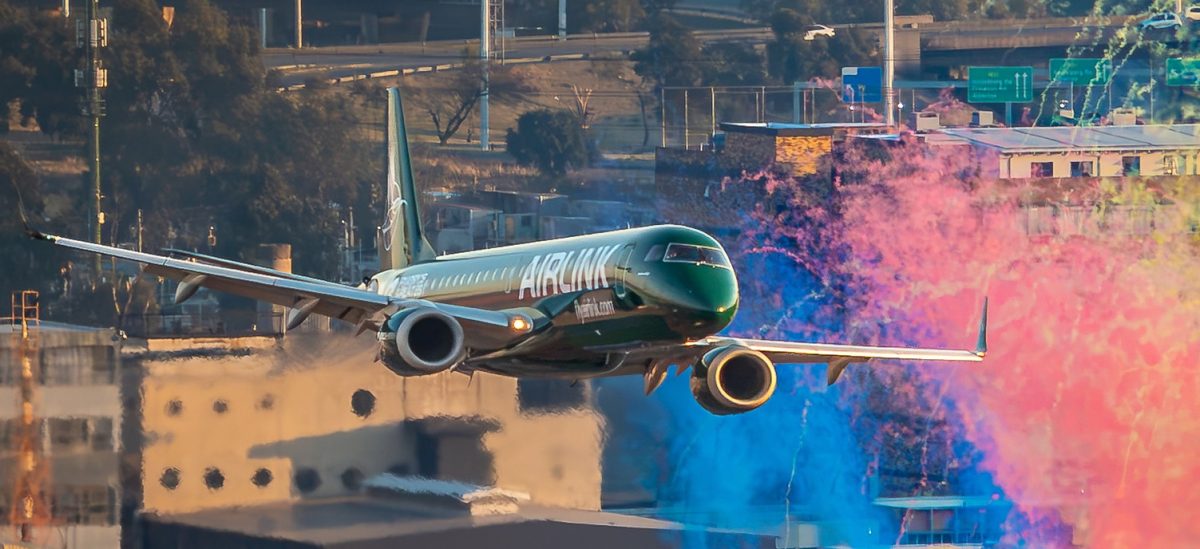
Cape Town's DHL Stadium was packed with 55,000 roaring fans on August 29th, ready to watch the Springboks take on New Zealand's All Blacks in the second match of Rugby's Greatest Rivalry tour. Then something happened that made half the crowd simultaneously look up in terror. Two Embraer jets screamed overhead at what felt like treetop height, so low that people genuinely wondered if the pilots had lost control.
They hadn't. But the internet lost its mind anyway. Within minutes, footage of the stunt was everywhere, with flight-tracking data from Flightradar24 confirming what people's eyes were telling them: those planes were traveling less than 15 metres (50 feet) above the stadium. That's the kind of altitude that makes your stomach drop, whether you're in the stands or watching from your couch at home.
Why Were Planes Flying That Low?
Airlink, the South African airline serving as the official carrier for the tour, had planned this moment down to the millimeter. The two aircraft were flown by experienced crews consisting of three senior captains each, and the entire stunt was choreographed with precision under the guidance of South Africa's Civil Aviation Authority (SACAA) and Air Traffic Navigation Services. The planes were also traveling at just 278 kilometers per hour (150 knots), deliberately slow to maintain control during the risky maneuver.
Formation flyovers are traditions in South African rugby culture, dating back to a legendary 1995 Rugby World Cup Final when a South African Airways 747 performed an overhead pass carrying the message "Good luck Bokke" before the Springboks' victory. That moment cemented the practice as part of the sport's pageantry. But this 2026 version was close enough to feel dangerous, even if every detail had been rehearsed and approved.
The Backlash
Social media erupted with concerned onlookers questioning the safety of having multiple aircraft hover just 50 feet above a packed stadium. The viral nature of the footage meant Airlink couldn't ignore the criticism. The airline released a statement emphasizing that both flights operated within the SACAA's approved safety altitude and speed limits, and that flight data recorded by both aircraft confirmed compliance with all regulations.
Still, the reaction raised real questions about whether the spectacle was worth the optics. The sheer drama of seeing two planes that close overhead naturally triggers an instinctive alarm in most people, regulations or not. Many wondered if future matches in the tour would include similar flyovers, given how much public anxiety the stunt had generated.
What This Means for Spectators
If you're planning to attend a major sporting event in South Africa, flying formations like this are part of the experience you might witness. The country has a deep tradition of incorporating aviation into its most prestigious moments. But if you're sensitive to heights or extreme proximity aviation displays, you'll want to know what you're walking into. Stadiums don't typically warn ticketholders about these kinds of surprises.
For travelers interested in high-stakes sports experiences, the intersection of rugby culture, aviation heritage, and South African hospitality makes events like Rugby's Greatest Rivalry genuinely special. Cape Town's DHL Stadium offers world-class viewing for one of the planet's most intense athletic rivalries. Just be prepared for the unexpected overhead appearances.