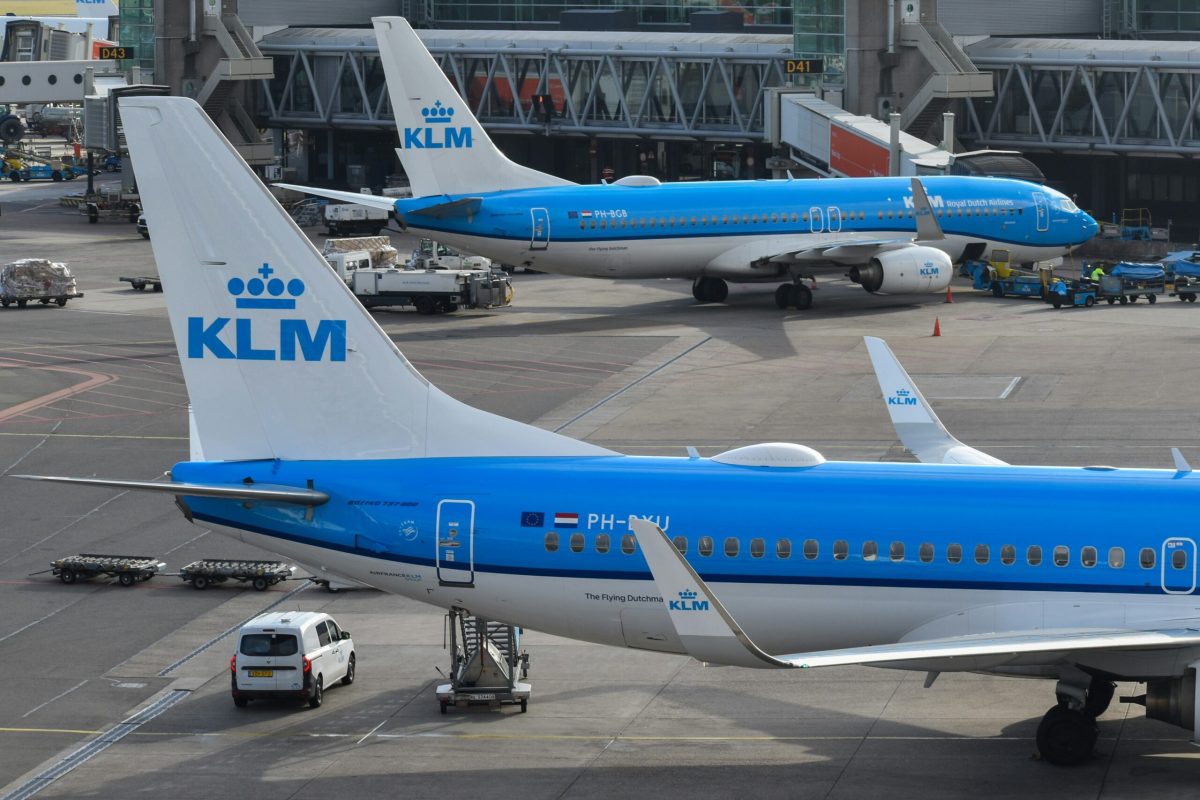
On Saturday, February 21, Amsterdam Schiphol Airport experienced a grinding reminder that even the world's safest airlines operate in complex, high-stakes environments. Two Boeing 737 aircraft operated by KLM Royal Dutch Airlines collided on the tarmac in what authorities have described as a highly unusual incident.
The collision occurred as one aircraft, flight KLM1953, was being pushed back from gate D54 to begin its journey toward Athens. That same moment, another Boeing 737 that had just touched down from Birmingham, England, was moving through the airport's ground operations area. The two planes connected, each sustaining minor damage to their tail sections.
What Happened to the Passengers
Fortunately, neither incident resulted in injuries to anyone on board. All passengers were safely escorted back to the terminal, where they faced the familiar frustration of unexpected delays. The 165 travelers originally headed to Athens were eventually rebooked onto another KLM aircraft, departing roughly three and a half hours late. Those on the Birmingham flight were similarly processed through rebooking procedures.
Both planes were removed from service for inspection and repair. The Athens-bound flight ultimately departed later that day with its rebooked passengers. KLM acknowledged the disruption in a statement, saying the airline was "investigating the circumstances of the incident together with the relevant authorities" and working to rebook affected passengers "as quickly as possible."
Why This Matters for Air Travel Safety
Ground collisions are rare at major European airports, which is precisely why this incident has drawn attention from aviation safety experts. The February 21 collision wasn't isolated. Earlier in the month, a Scandinavian Airlines Airbus A320neo nearly triggered a serious accident at Brussels Airport when its pilots began accelerating along a taxiway instead of waiting for their assigned runway. That aircraft, carrying 165 passengers, came dangerously close to fuel containers before emergency teams intervened.
These back-to-back incidents raise uncomfortable questions about ground operations procedures and pilot communication at some of Europe's most congested airports. When planes are being pushed back, towed, or taxiing in tight spaces crowded with other aircraft, every decision carries weight.
Technology That Could Help
Some newer aircraft are equipped with Runway Awareness Advisory System (RAAS) technology, a non-mandatory software that assists flight crews by providing alerts and guidance during ground movements and takeoff operations. The Brussels SAS flight was not equipped with this system, the airline confirmed. Whether the Amsterdam KLM aircraft had RAAS installed remains unclear, though investigators are almost certainly examining that detail.
The reality for travelers is that safety remains the aviation industry's top priority, but perfect systems don't exist. What matters most is how quickly authorities identify what went wrong and whether airlines implement stronger safeguards. KLM has cooperated fully with investigators, and both the carrier and European aviation authorities are likely to scrutinize ground operations procedures at major hubs more closely in the months ahead.
For anyone flying through Amsterdam Schiphol, Brussels, or other congested European airports, the incident serves as a reminder that modern air travel is statistically safer than driving. But it also underscores that vigilance, communication, and continuous improvement remain essential, whether you're taking off for Athens or touching down from Birmingham.