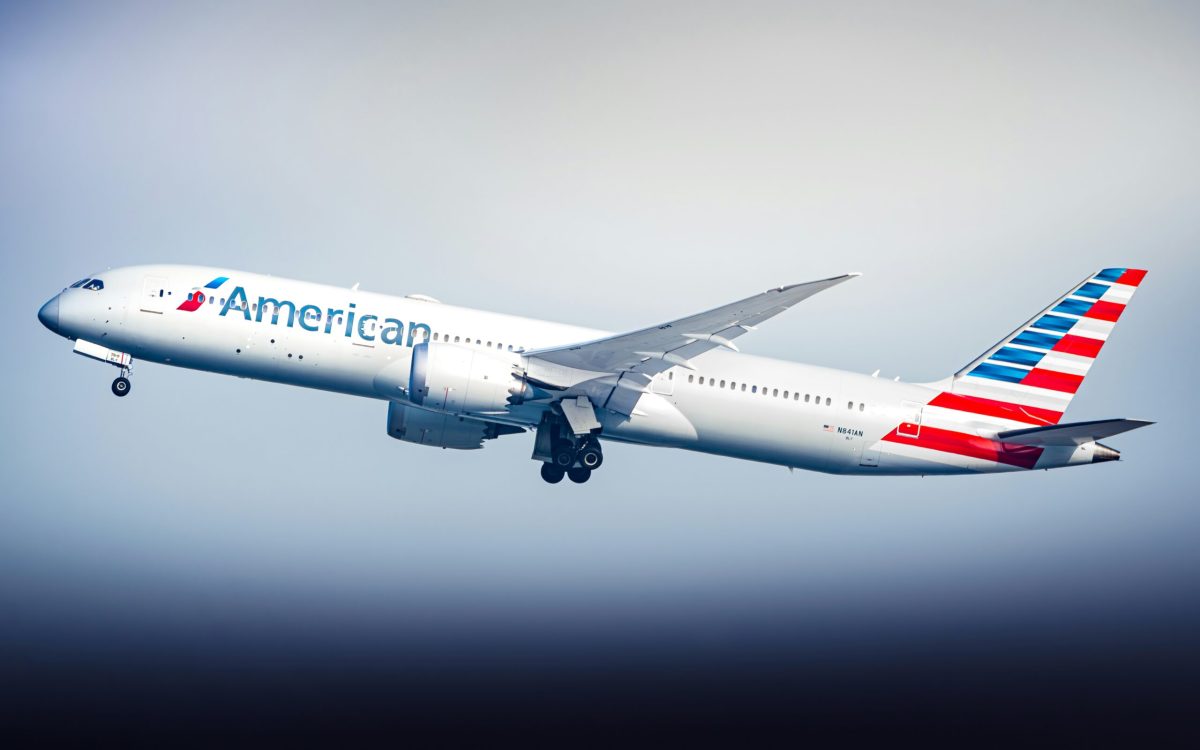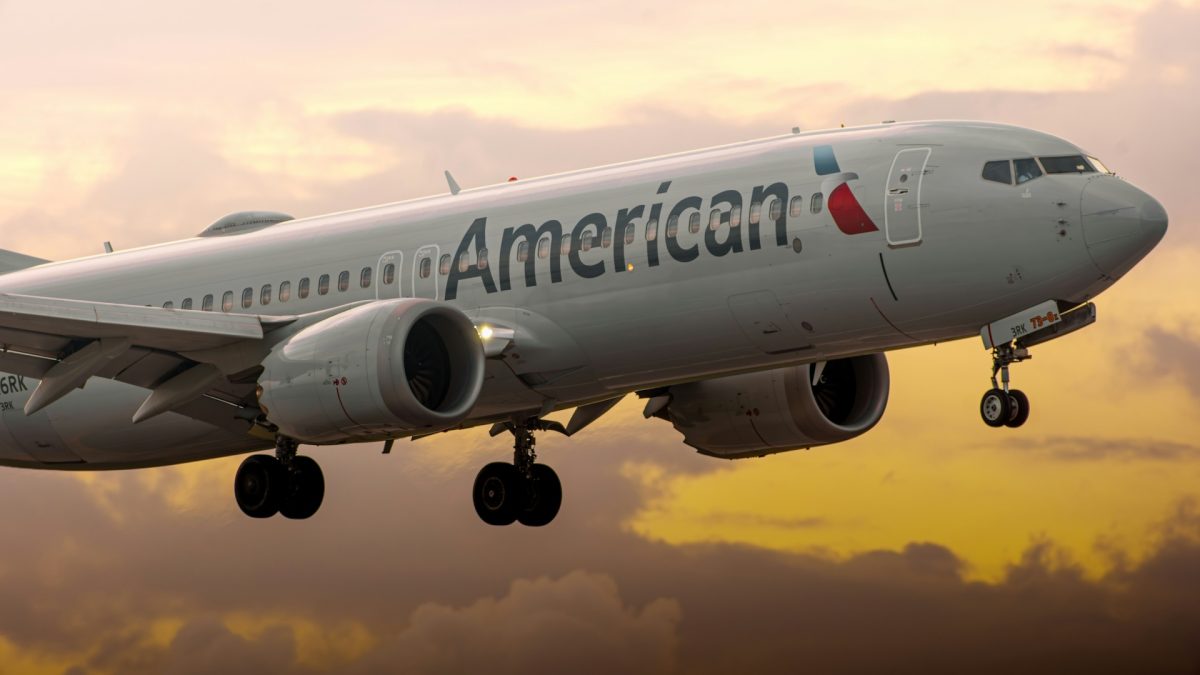
Just after midnight on August 14, 2026, the skies above Phoenix became the setting for a high-stakes game of air traffic management that nearly turned tragic. An attentive air traffic controller spotted something that should never happen: two American Airlines jets operating under the identical flight number, American 2482, on the same radio frequency and rapidly closing in on each other's paths.
The situation unfolded like this. One aircraft was pushing back from the gate in Phoenix, powered up and ready to depart for Chicago. Simultaneously, another plane bearing the same flight number was descending toward Phoenix after completing that very route from Chicago. Both planes existed in the airspace at nearly the same moment, both broadcasting the same call sign to controllers managing traffic flow. The danger was real and immediate.
How a single mistake nearly created disaster
Anyone who has ever flown understands the basic architecture of air traffic control. Controllers communicate with pilots using flight numbers as identifiers, issuing instructions for altitude changes, heading adjustments, speed reductions, and landing sequences. When two aircraft share that same identifier, confusion becomes inevitable. If the crew of the wrong plane followed an instruction meant for the other, the results would be catastrophic. Two metal tubes carrying hundreds of passengers would simply converge, possibly at the same altitude, on a collision course at five hundred miles per hour.
The veteran controller managing Phoenix airspace had a quarter-century of experience guiding planes. "I've been working air traffic for 25 years," the controller later recalled in an audio recording. "I've never seen two aircraft pretty much emerge with the same call sign. I'm glad it all worked out there. It could have been disastrous." Those words underscore just how unusual and dangerous this scenario actually was.
Fast thinking prevented the worst
The moment the controller recognized the problem, decisive action followed. Instead of simply using the flight number that was causing the confusion, the controller began addressing each plane with a modified call sign. One became "American 2482 on the arrival," the other "American 2482 on the departure." This small verbal distinction created clarity where chaos could have taken hold. The controller also issued specific altitude restrictions to the departing flight, instructing the crew to limit their climb and maintain a substantial vertical buffer between the two aircraft.
Both American Airlines and the Federal Aviation Administration have since confirmed that the swift professionalism of both the controller and the flight crews ensured separation was always preserved. "The diligence and professionalism of air traffic controllers and our pilots ensured required separation was always maintained and the issue was identified and addressed," American Airlines stated. "Both flights continued safely and without incident."
The breakdown that made this possible
Why did two planes end up with matching call signs in the first place? American Airlines typically rotates the same aircraft on the Chicago-Phoenix route, using it for both the outbound and return flights under a single flight number. On August 14, however, the incoming flight from Chicago experienced delays. Rather than hold the departure, the airline brought a different aircraft from its Phoenix fleet and assigned it the same flight number, American 2482, to depart on schedule. The result: duplicate identifiers, both in the system, both active in the same airspace simultaneously.
John Cox, a former airline pilot and head of an aviation safety consulting firm, raised important questions about what happened. "It's a process failure," Cox told reporters. "My question is, How did it happen? The investigators are going to look at how the process failed, and that's really of greater interest to me than the single event in Phoenix. There is such a robust process, so that's the thing I want to know: Where was the process breakdown?" The FAA and American Airlines have begun formal investigations to determine exactly which safeguards failed to catch this potentially lethal mistake before it reached the operational stage.
For travelers who spend time worrying about flight safety, this incident offers a strange sort of reassurance. The systems do work, even when procedures break down. The people managing the skies catch problems that the automated processes miss. Security and safety in commercial aviation operate on multiple layers, and when one fails, another steps in. It's not perfect, but on August 14 over Phoenix, it was enough.