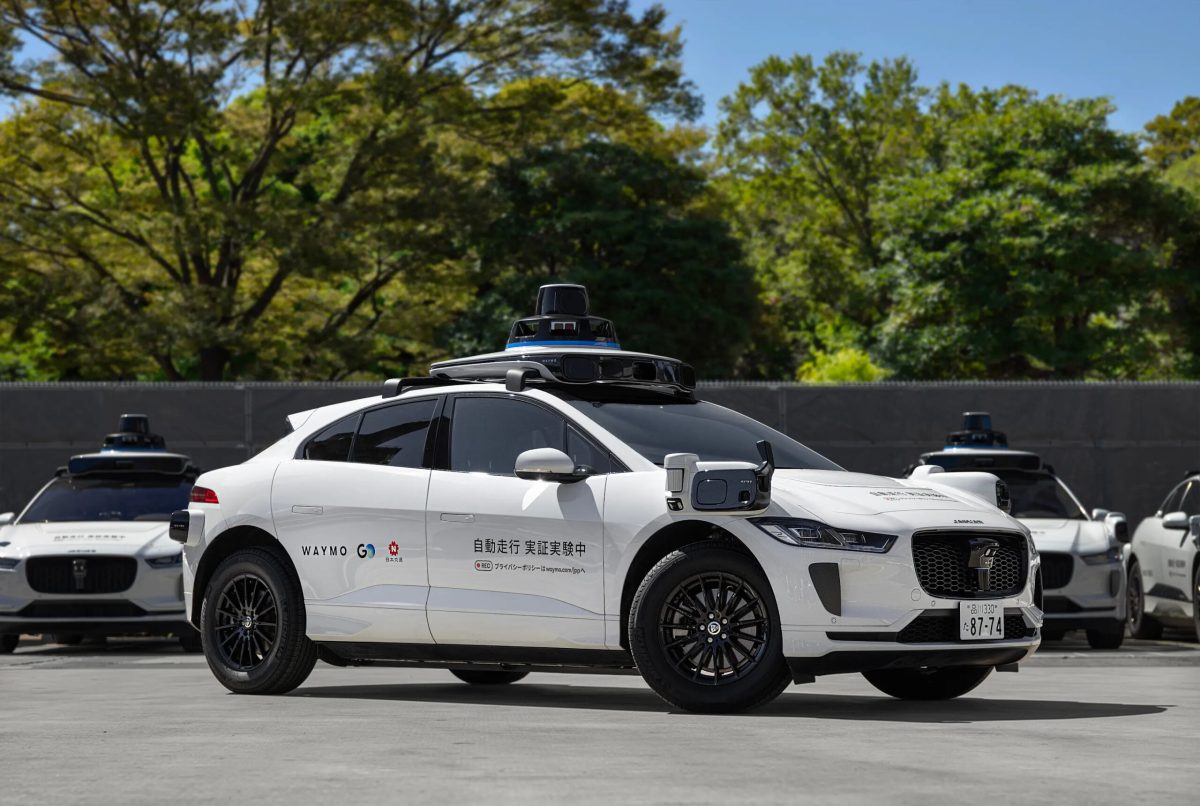
Tokyo is known for its impeccable public transit, but the city is about to add a new way to get around. Waymo, the American autonomous driving company, has announced plans to launch a fully driverless robotaxi service in the Japanese capital by 2027. If all goes according to plan, it will be Japan's first commercial driverless taxi operation on public roads, and Waymo's first expansion into Asia.
The service will be a joint effort with two major Japanese players. Nihon Kotsu, one of the country's largest taxi operators, will handle fleet management, while GO, a leading ride-hailing app, will integrate the service into its platform. Passengers will be able to book rides through both the GO app and the Waymo app, making it easy for visitors and locals alike to hail a self-driving ride.
Waymo has been quietly testing its technology in Tokyo since 2025, with safety drivers from Nihon Kotsu behind the wheel. Those trials have been crucial for gathering data on the city's unique driving conditions, from narrow residential streets to the chaos of Shibuya's crossings and the quirks of left-hand traffic. The company says the robotaxis will complement Tokyo's world-renowned transportation network, while also helping Japan address its aging population and a growing shortage of professional drivers.
Japan's demographics are a big reason why autonomous vehicles make sense here. With a rapidly aging society and fewer people willing to work as taxi drivers, the country is looking for ways to keep its mobility systems running. Waymo's service could be a lifeline for older residents who need reliable transportation, and a convenient option for tourists who want to explore beyond the train lines.
But there are hurdles to clear before the first driverless ride. Current Japanese regulations require a human driver to be present in any vehicle operating on public roads. Waymo will need to secure special permits and pass rigorous safety reviews before it can operate without anyone in the driver's seat. The company says it will continue safety testing and work with regulators to make the 2027 launch a reality.
Waymo isn't the only player eyeing Tokyo's streets. Nuro, another US autonomous vehicle company, has started testing in the city in partnership with Uber and Lucid. Nissan is also planning a robotaxi service in Tokyo for 2027, backed by British AI startup Wayve and Uber, though its initial trials will still use trained safety drivers. The competition is heating up, but Waymo's head start in testing and its partnership with established taxi operators could give it an edge.
For travelers, the arrival of driverless taxis in Tokyo could be a game-changer. Imagine landing at Haneda Airport and hopping into a self-driving car that whisks you through the city's neon-lit streets, no small talk required. It's a futuristic vision that's closer than you think. And if you're planning a trip to Tokyo, you might want to check out how the airport is already getting robot workers to handle luggage and cleaning, a sign of things to come.
Waymo's Tokyo launch is part of a broader global push. The company has rapidly expanded its robotaxi operations across the United States, and it's also preparing to enter European markets, with a planned launch in Munich in late 2027. Tokyo, with its dense population and complex road network, will be one of the toughest tests yet for autonomous driving technology. If Waymo can crack the code here, it could pave the way for driverless taxis in cities around the world.
Of course, the 2027 timeline is still subject to regulatory approvals and further safety validation. But the pieces are falling into place. For now, travelers can dream about a Tokyo where the taxi driver is a computer, and the only thing you need to worry about is which ramen shop to visit first. And if you're curious about other ways Tokyo is changing, you might want to read about how the city is cracking down on tourist rentals in its neon heart.