Raise your hand if you've ever boarded a flight and watched the seat selection screen light up with one remaining option: the absolute last row. You know the one. It vibrates with every touch of the tail, sits directly adjacent to the bathroom queue (where humans inexplicably gather to chat), and reclines either not at all or just enough to annoy the person behind you. For generations, this corner of the aircraft has been the penalty box of commercial aviation.
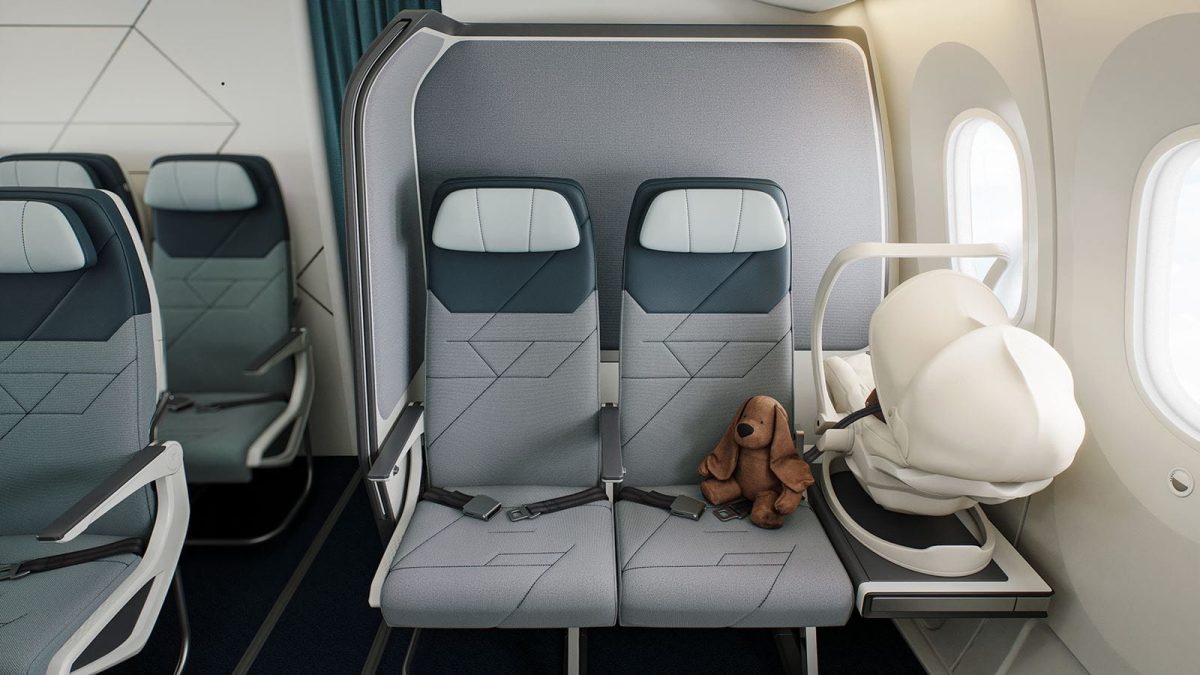
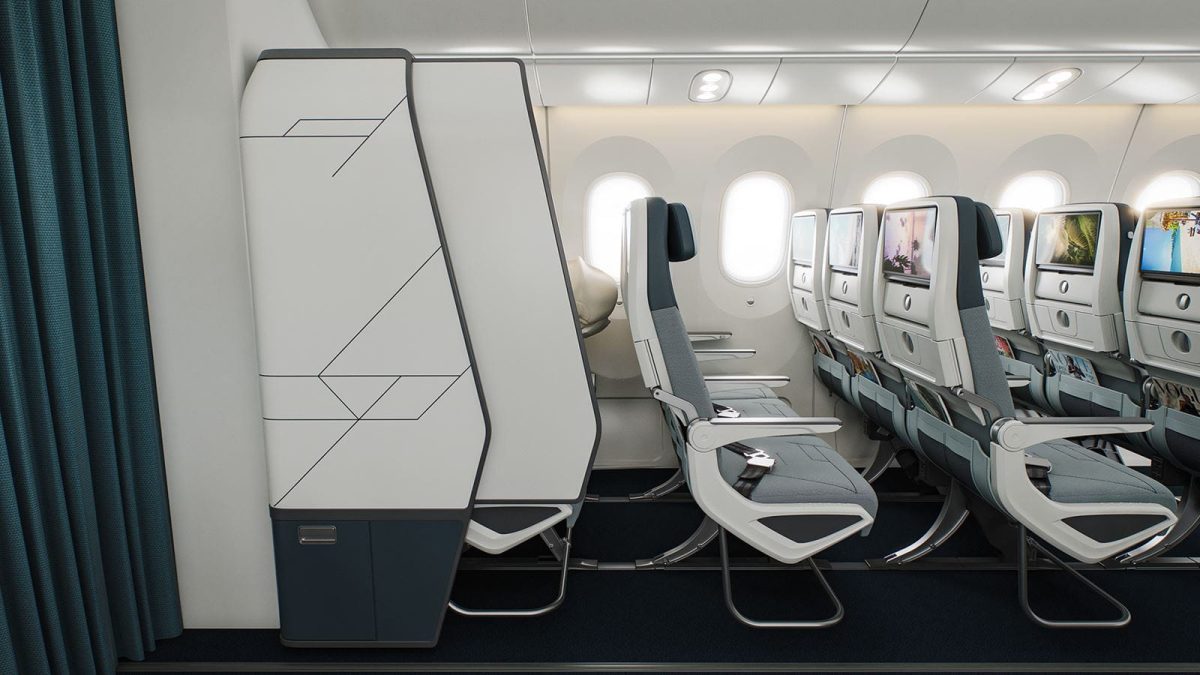
Collins Aerospace thinks it's time to flip the script. The company has unveiled SkyNook, a concept that transforms those dreaded rear seats into what they're calling a "semi-private retreat." Think cocoon with a window. Think the kind of space where you'd actually choose to sit.
Why the Last Row Became Flying's Worst Kept Secret
Let's be honest about what makes these seats so terrible. The aft section of the fuselage moves more aggressively than anywhere else on the plane, so turbulence feels amplified. You're inches from the lavatories, where bathroom lines form and people linger, chat, and occasionally lean against your headrest while waiting. The air quality back there exists in a category of its own. Historically, these rows were even designated for smokers, a legacy that seems to have left invisible scars on the cabin air itself.
And that reclining thing? Often disabled entirely. Airlines don't want anyone sprawling back into the galley, so you're stuck in a fixed position while watching first-class passengers live their best lives two aisles forward.
How a Design Flaw Became an Opportunity
Here's where SkyNook gets interesting. The fuselage of wide-body aircraft tapers as it moves toward the rear, which typically squeezes the standard triple-seat economy row into just two seats. That unused triangular space between the sidewall and the seat? Architects had mostly ignored it. Collins decided to use it.
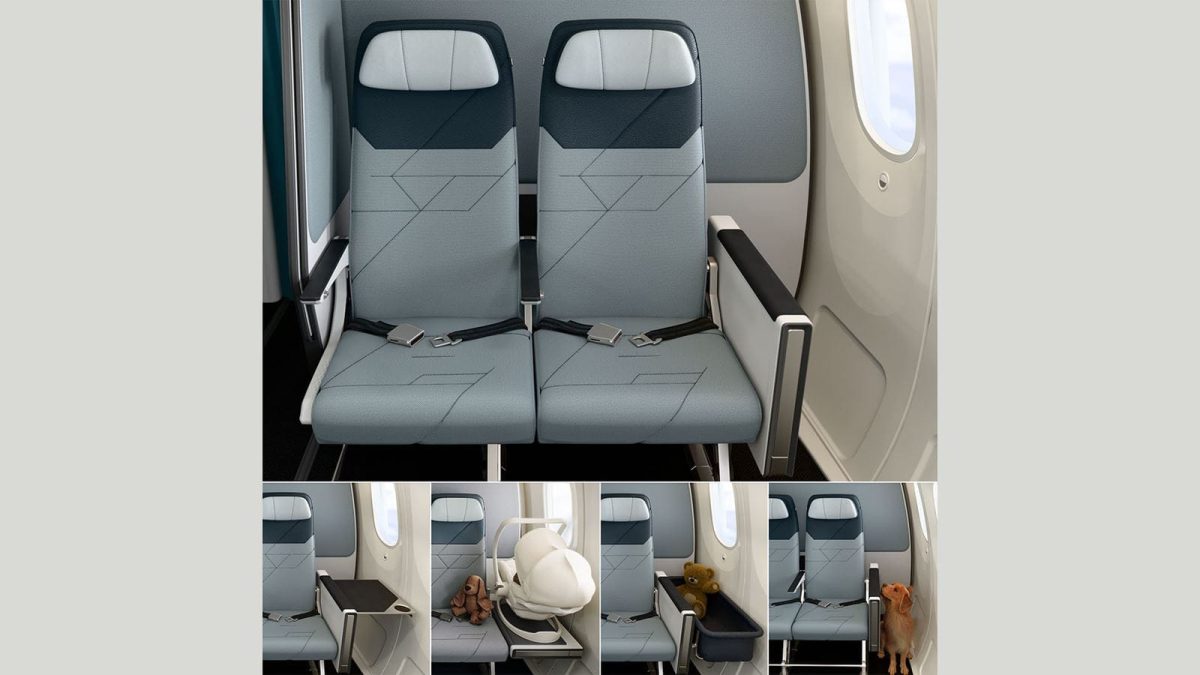
The new layout includes a deployable privacy divider that isolates the seat from aisle traffic, blocking noise and shielding passengers from the constant flow of people walking past. The additional floor space opens up genuine practical possibilities: a bassinet for traveling families, room for a pet, space to actually spread out a laptop and work, or just enough breathing room to eat a meal without your elbow colliding with a passing flight attendant.
Jeffrey McKee, director of customer experience design at Collins Aerospace, frames this as part of a larger mission to rethink economy seating. "We wanted to create a serene retreat," he explained, "that works for families traveling with infants, passengers with service animals, or anyone dealing with sensory sensitivities on long flights." The concept already earned first prize in the passenger comfort category at the Crystal Cabin Awards during the Aircraft Interiors Expo in Hamburg, a major benchmark for cabin innovation.
What Travelers Actually Think About the Idea
Online reactions have been divided, which tells you everything you need to know about how touch-and-go innovation discussions get in the age of social media. Some people are optimistic. A former travel agent chimed in that this was the row clients complained about most, calling it "great to make it more appealing." Others see the logic of extra space for families, especially on long-haul routes.
Skeptics, however, aren't buying it. Several commenters dismissed it as "the same thing with a fancy new name and a steeper price tag." Some questioned whether the design would ever make it out of the concept phase, noting that aircraft manufacturers are notorious for showing stunning prototypes that never actually reach production. One Facebook user called it "a wasted opportunity" and suggested wider seats would have been the real draw. Another took aim at the branding itself: "A suite? I think we have very different definitions of what a suite is."
This Is Just the Beginning of Rethinking Economy
SkyNook isn't alone in trying to salvage the economy experience. Airlines are experimenting with private spaces at every price point, and the creativity is ramping up. United Airlines announced plans to roll out lie-flat seating for economy passengers starting in 2027, a move that would have sounded insane a decade ago. Other designers are exploring double-level seating concepts, including the Chaise Longue model. Air New Zealand took a more immediate approach by introducing economy bunk beds for long-haul flights, allowing passengers to book a dedicated sleeping pod for a few hours.
The pattern is clear: airlines finally get it. Stuffing more people into less space isn't working anymore. People will pay for comfort, and they'll vote with their feet (or rather, their click-through rate) if given the choice.
Whether SkyNook becomes standard across fleets or remains a well-intentioned concept remains to be seen. But for everyone who's ever groaned while watching that last row light up on the seat selection screen, the fact that someone is finally trying to fix it feels like a win. Even if the branding could use some work.