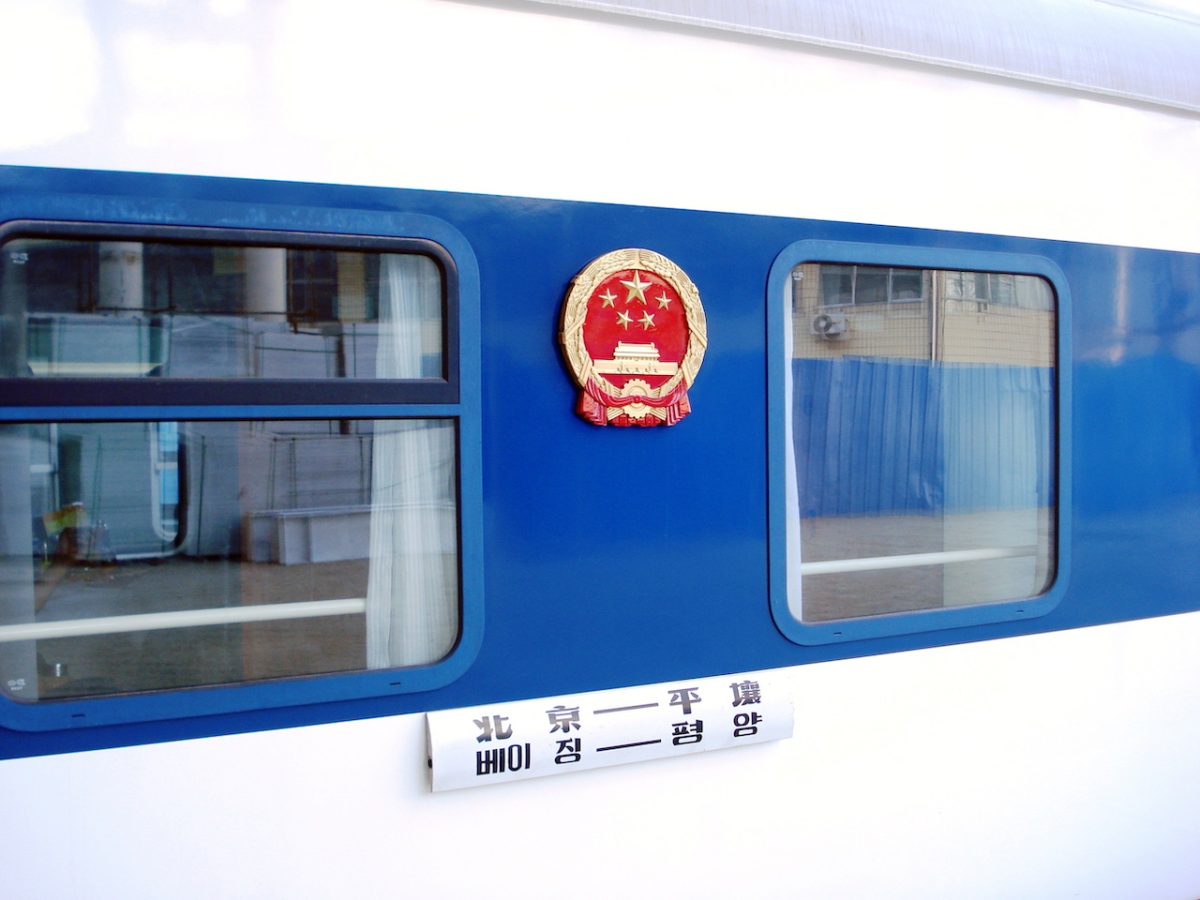
The rails are humming again. Starting March 12, 2026, passenger trains will resume service between China and North Korea, reopening a crucial corridor that has been silent since the COVID-19 pandemic shuttered the border. Two separate routes are launching: a daily connection between the Chinese port city of Dandong and Pyongyang, plus four weekly trains linking Beijing directly to the North Korean capital. For six years, this lifeline sat dormant. Now it is back.
The timing matters. China Railway announced that the reopened lines will "strengthen the friendship between China and North Korea," language that carries weight in diplomatic circles. But the real story is what happens next. Demand is already surging. Tickets for the inaugural Beijing departure sold out within hours, according to reporting from Reuters. The early passengers read like a Who's Who of cross-border dealmakers: entrepreneurs, government officials, journalists, and workers seeking to recalibrate business arrangements that have shifted substantially over the past few years.
Only visa holders can purchase tickets in this opening phase. Think of it as a soft restart. Eligible travelers include Chinese and North Korean workers, students, and people visiting family. But China Railway has signaled that international passengers will eventually board designated carriages, meaning casual travelers may eventually gain access. For now, this is a strictly controlled reopening.
The numbers tell a compelling story about geopolitical shifts. Chinese exports to North Korea jumped 25 percent year-on-year in 2025, reaching $2.3 billion. Satellite imagery analyzed by journalists reveals fresh infrastructure sprouting along the Sino-Korean border: new port facilities at Quanhe, expanded roadworks, and a bridge over the Yalu River (constructed over a decade ago but never inaugurated) finally receiving proper lane markings separating trucks from passenger vehicles. North Korea has built corresponding warehouse and cargo infrastructure on its side. Work mysteriously paused in November 2025, with China's strict compliance with UN export sanctions cited as a likely reason for the holdup.
Why This Matters for Northeast Asia
For several years, North Korea had drifted toward Russia, even marketing "riviera resorts" to Russian holidaymakers. China, historically its largest tourism market by a vast margin, watched from the sidelines. The rail restart signals a significant recalibration. China's economic pull remains enormous, and this reconnection reflects Beijing's determination to remain the dominant player in North Korea's trade and people-to-people exchanges.
The journey itself has practical appeal. One social media commenter noted that the Fuxing bullet train between Dandong and Pyongyang takes just 1 hour and 20 minutes, making it a genuine commuter option for cross-border workers and business travelers. For context, Dandong sits directly across the Yalu River from North Korea, making it the primary gateway for anyone seeking to visit Pyongyang by land.
What Travelers Should Know Right Now
If you are seriously considering this route, patience is required. International tourism to North Korea remains restricted and heavily controlled. Visitors still need special permits and must travel with approved tour operators. The rail reopening does not instantly change that framework. What it does change is the ease of movement for people already cleared to cross the border for work or family reasons.
The broader context is shifting rapidly. Regional tensions continue to ebb and flow (similar disruptions have affected other parts of Northeast Asia in unexpected ways), but this railway represents a concrete bet by Beijing that stability and commerce will deepen ties with its neighbor. Whether casual travelers will eventually benefit from this thaw remains to be seen. For now, the trains rolling between Dandong and Pyongyang carry businesspeople, officials, and families rekindling connections that the pandemic severed. That is progress.