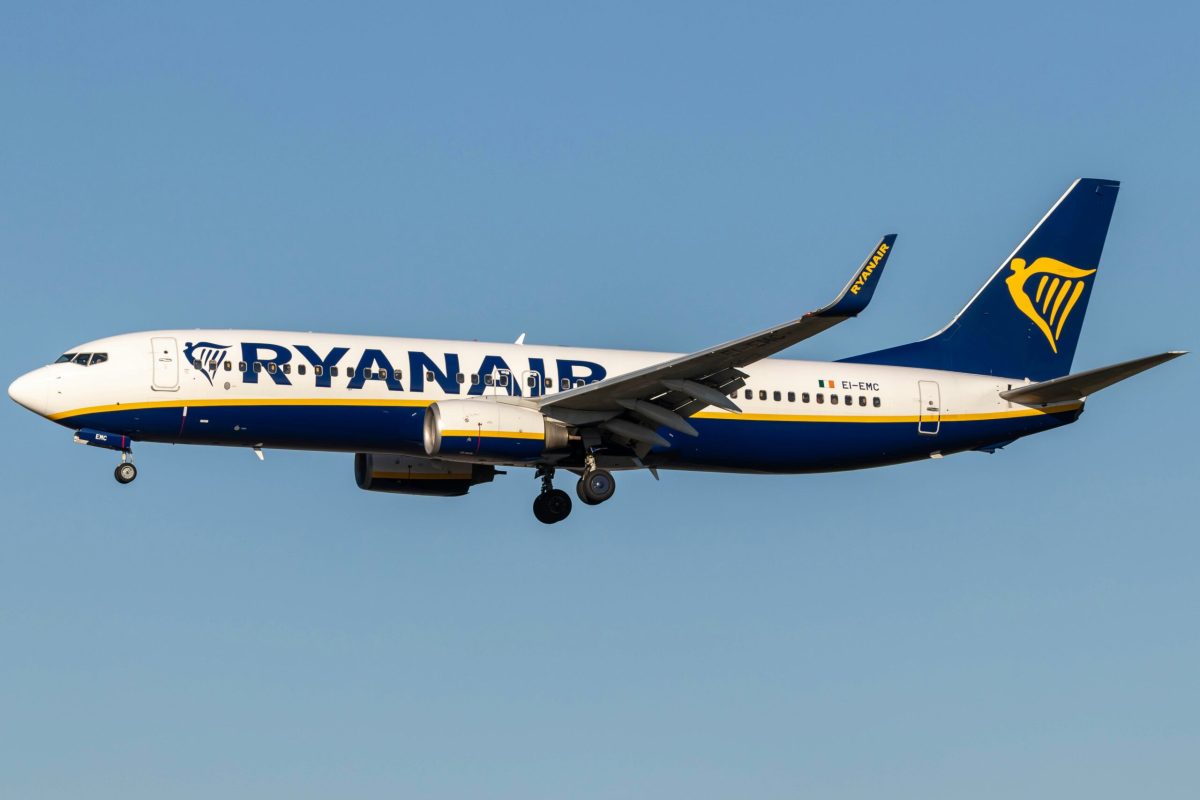
The Portuguese Azores face a tourism crisis in waiting. Starting March 29, 2026, Ryanair will abandon all six of its routes to this Atlantic archipelago, yanking roughly 400,000 annual flight seats from the market. For an island region that depends on tourism like most places depend on electricity, this is bad news wrapped in bureaucratic language.
The Chamber of Commerce in Ponta Delgada ran the numbers and they paint a sobering picture. Between 102,000 and 118,000 tourists arrive on Ryanair flights each year. These aren't day-trippers. They stay an average of 3.3 nights and spend about €1,036 per person during their visit. Do the math and you're looking at roughly 340,000 to 390,000 overnight stays vanishing annually.

What This Actually Means for the Islands
The direct economic hit lands between €106.6 million and €122.8 million per year. But pull at that thread and the wider damage emerges. Factor in indirect spending (locals working in hotels, restaurants, transport) and induced effects (those workers spending their wages locally), and the total climbs to €143.9 million to €165.8 million annually. That's roughly 1.5 to 1.7 percent of the region's expected 2026 GDP growth simply evaporating.
Tourism accounts for about 20 percent of Azores GDP. Ryanair carries somewhere between 7.5 and 8.7 percent of all tourist overnight stays. What that means in plain language: half or more of the islands' anticipated economic expansion for next year could be wiped out by losing a single airline.
Why Is Ryanair Leaving
The airline blames high airport fees set by Portugal's ANA operator, increased air traffic control charges, and a new €2 travel tax. Ryanair has also complained about the EU's carbon trading scheme, arguing it unfairly penalizes flights to remote regions like the Azores.
From spring 2026, travelers heading to the Azores will lose direct low-cost connections to London, Brussels, Lisbon, and Porto. That's not just an inconvenience. It's the difference between a weekend trip costing €150 and one costing €400.
Can Other Airlines Fill the Gap
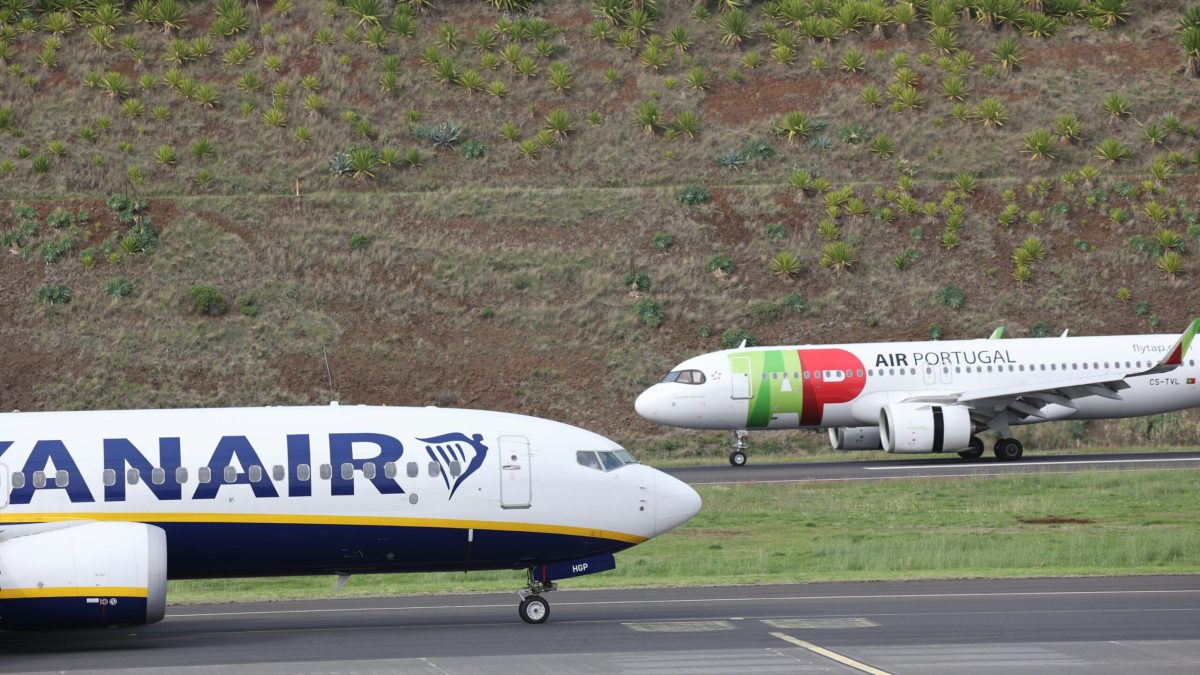
The Regional Government insists that SATA and TAP Air Portugal will step in and boost their service. Gualter Couto, who runs the Ponta Delgada Chamber of Commerce, politely disagrees. Flag carriers don't operate like budget airlines. They won't suddenly deploy 400,000 new seats annually to match what Ryanair provided. SATA and TAP serve different routes, offer different pricing, and operate on different schedules. The gap they can fill is real but partial.
Couto also took aim at what he called a lack of professionalism in negotiations with the airline. When a sector represents one-fifth of your region's wealth and employs more people than almost anyone else, you don't let a major carrier just walk out the door. Tourism on the Azores isn't a nice-to-have sector. It's foundational.
What Comes Next
Ponta Delgada airport will still have 22 routes operated by other carriers. That's something. But the real question facing the islands isn't how many routes remain. It's how many people will bother making the trip when flights cost more and connections get worse. For a destination that's already remote and demands time from visitors, accessibility is everything.
The Azores debate is shifting from whether they can survive Ryanair's departure to whether they can thrive without it. And that's a much harder conversation to have.