Dubai woke up to gridlock last week. Not the kind clogging its highways, but the kind that traps people at hotels with nowhere to go. After regional tensions triggered mass flight cancellations across the UAE, travelers faced a choice: wait in limbo for commercial services to resume, or find another way out entirely.
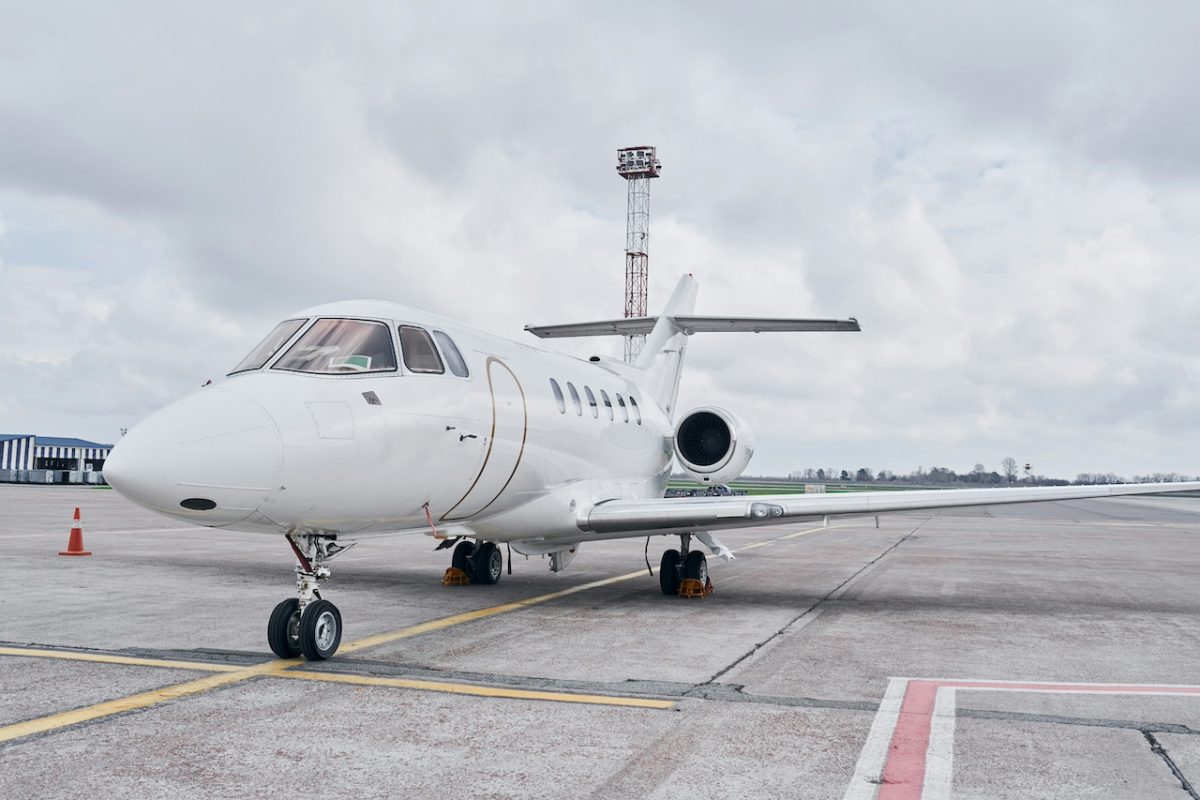
For the well-heeled, that other way has a price tag that would make most travelers wince. Private jet operators in the Gulf region are now charging somewhere between $200,000 and $350,000 for a single flight. A seat on a commercial airline costs a fraction of that. But when commercial airlines aren't flying, math becomes irrelevant.

The pressure cooker started when UAE airspace faced major restrictions, forcing air traffic to funnel into alternative gateways like Muscat, Oman. That city, roughly 4.5 hours away by car, suddenly became the lifeline for anyone desperate enough to make the journey. Riyadh, Saudi Arabia (10 hours by road), offers similar escape routes. The wealthy weren't waiting for clarity. They packed security details into vehicles and headed overland to catch jets from there.
Real-time flight tracking painted the picture clearly. Business jet activity spiked as those with resources began evacuating the conflict zone in their own and chartered aircraft. The pattern started Tuesday and shows no signs of slowing.
When Demand Outpaces Supply
Private jet brokers are blunt about why prices have spiraled. Altay Kula, CEO of Paris-based JET-VIP, explained it plainly: "The demand is huge, and we can't deliver enough aircraft to respond to the demand. This increase in cost reflects the aircraft's scarcity, the repositioning costs as well, and the operator risk assessments. So this is not speculative pricing." Translation: desperation has limits, but logistics does not.
The surge revealed something uncomfortable about crisis travel. If you have money, routes appear. If you don't, you stay put. Dubai's tourism board asked hotels to extend stays for stranded guests, though reports suggest that request hasn't always trickled down to the front desk. Worse, six cruise ships anchored in the region were essentially holding facilities, with thousands of passengers confined to cabins or staterooms while the chaos sorted itself out.
The Waiting Game for Everyone Else
Commercial carriers including Emirates, Etihad, and flydubai did begin partial service resumption, but seats became nearly as precious as private runways. For travelers without six figures in emergency funds, the situation remains fluid and uncertain. The alternative is what most people can actually afford: patience, and hope that tomorrow's flight manifest includes their name.
This snapshot of the Gulf crisis exposed something many travelers prefer not to think about. When borders close and airports empty, your options often depend entirely on your bank account.