Tampa International Airport discovered something powerful recently: a lighthearted joke about pyjamas can ignite a firestorm of opinion about flight fashion. The airport posted on social media declaring that "the madness stops today," announcing what appeared to be a sweeping ban on sleepwear at the terminal. Except it wasn't real.
The airport clarified shortly after the post went viral that the entire thing was satire. "Tampa International Airport regularly shares lighthearted, satirical social media content as part of our ongoing effort to engage with our followers," a spokesperson explained. The pyjama "ban" was simply commentary, part of a broader joke that had begun with a fake crackdown on Crocs weeks earlier.

Yet something about the fake announcement struck a nerve. The response revealed that underneath the humour sits a genuine tension about what flying has become and what passengers expect from the experience.
The Comfort Question
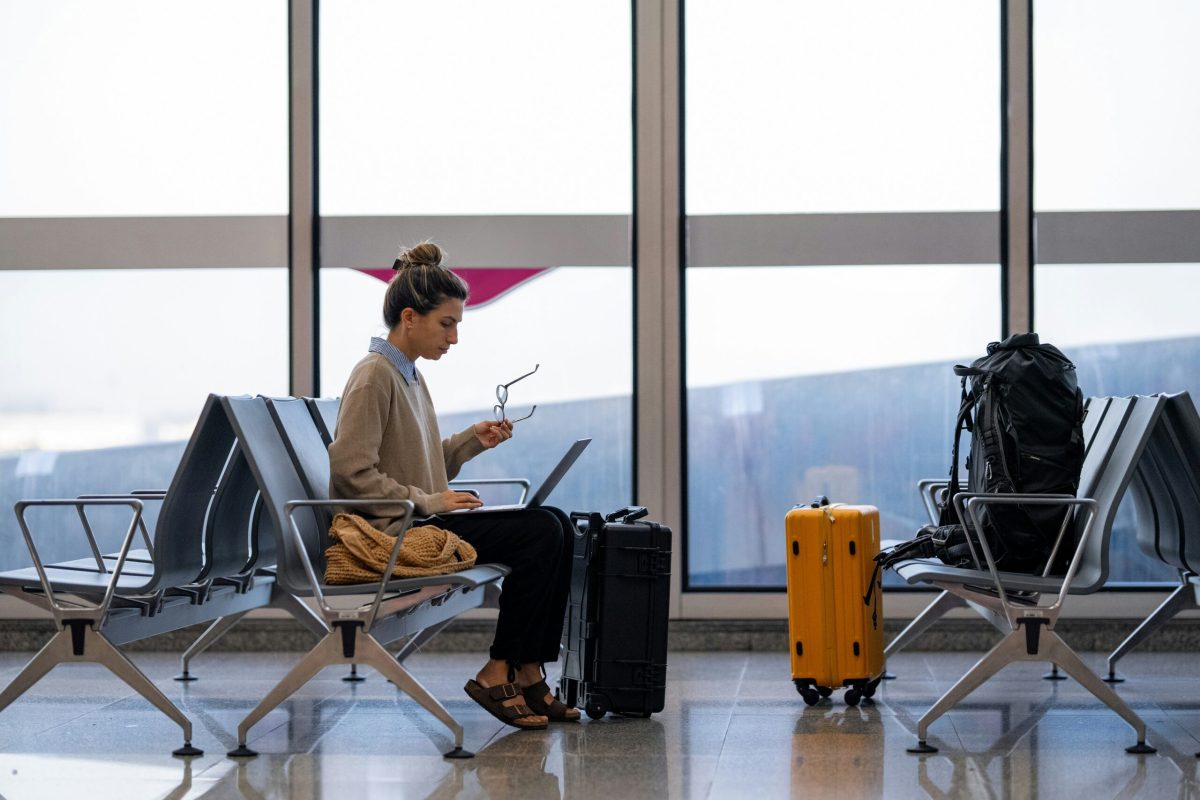
The real issue isn't whether people should wear pyjamas. It's why so many want to. Over the past two decades, airline seats have shrunk dramatically. Average seat pitch has compressed from around 89 centimetres to roughly 74 centimetres on many economy routes, while widths often measure between 41 and 46 centimetres. When you're wedged into a space barely wider than a school desk, elastic waistbands start looking pretty reasonable.

Flying itself has transformed into something between mass transit and a vending machine experience. Luggage costs extra. Seat selection costs extra. Water costs extra. Breathing space, increasingly, costs extra. One passenger summed it up bluntly on social media: "I'll dress nicely again when we're not treated like cattle at the airport or on the plane." The response was equally sharp: "Don't blame the airport for you being a peasant." Classic Twitter warfare.
The pandemic accelerated all of this. Athleisure, tracksuits, and elevated loungewear became the uniform for long-haul travellers. The line between bedtime and the boarding gate blurred so completely that many now genuinely question what counts as "pyjamas" at all.
What Medicine Says
Here's where science enters the debate: medical professionals actually recommend loose-fitting clothing and compression socks on long flights to reduce the risk of deep vein thrombosis and blood clots. Comfort isn't vanity. It's health.
Airlines and Standards
Some airlines have started tightening their dress codes anyway. Spirit has effectively banned see-through clothing and exposure of breasts, buttocks, or other private parts. The six major US carriers use broader language, requiring passengers to be "properly clothed" and banning "lewd, obscene, or offensive" attire.
Meanwhile, the US Department of Transportation launched a campaign last November called "The Golden Age of Travel Starts With You," urging passengers to behave more civilly while flying. The initiative encouraged travellers to control their children, treat staff respectfully, and "dress respectfully" as part of a push to restore manners in the air as disruptive incidents continue piling up.
One commenter responded to Tampa's post by sharing an image from aviation's actual golden age, featuring plush seats, white tablecloths, and lobster service. "Are you going to make flights look like this again?" they asked pointedly. The question wasn't really about clothes. It was about longing for something that's vanished.
The Real Debate
Many passengers pushed back against the idea that airports should police wardrobes at all. "As long as they don't smell bad and aren't bothering anyone," one traveller wrote, "focus instead on actually cleaning your bathrooms and speeding up TSA lines." Fair point. Most people would prefer to sit next to someone well-groomed, but they'd trade that for faster security lines and functioning bathrooms in a heartbeat.
The satire worked precisely because it recognised something real. Flying has become increasingly stripped down, crowded, and transactional. When an airport jokes about banning comfortable clothes, people respond because the joke touches on genuine frustration. Tampa's lighthearted post didn't create the debate. It simply held up a mirror to conversations that were already happening on every flight, in every security line, at every gate.