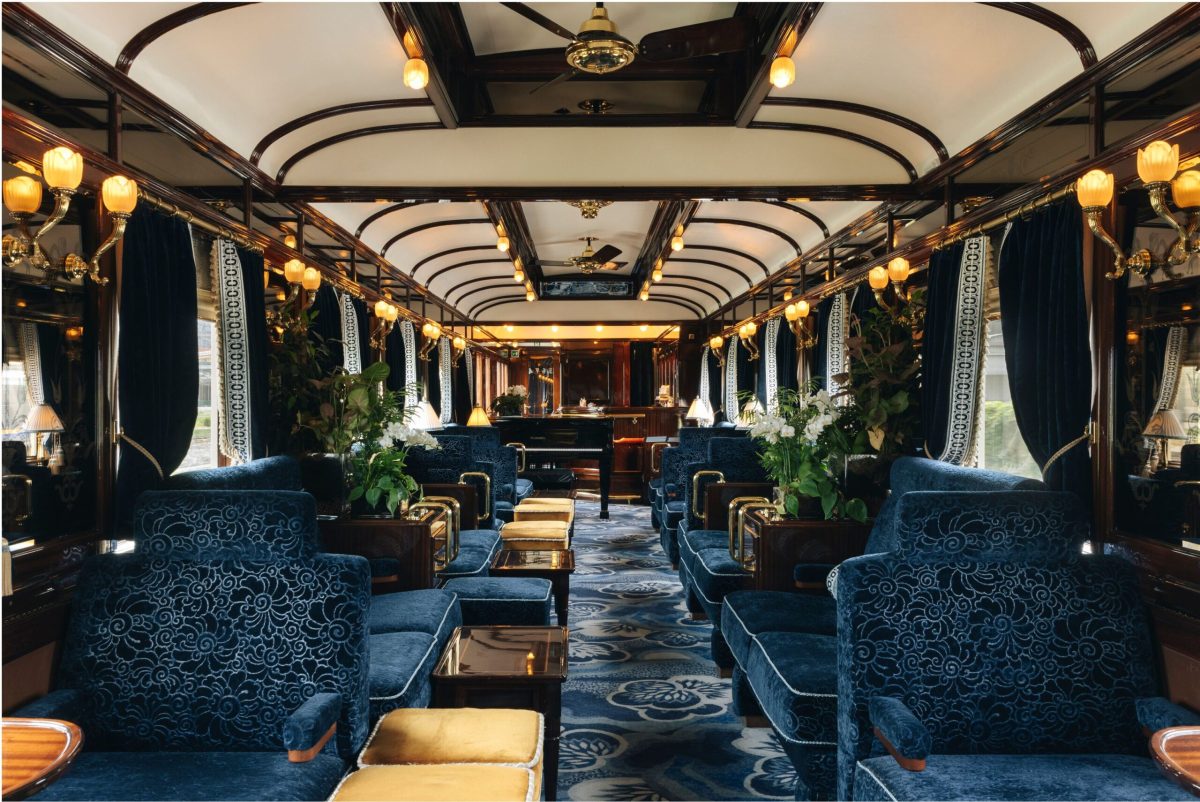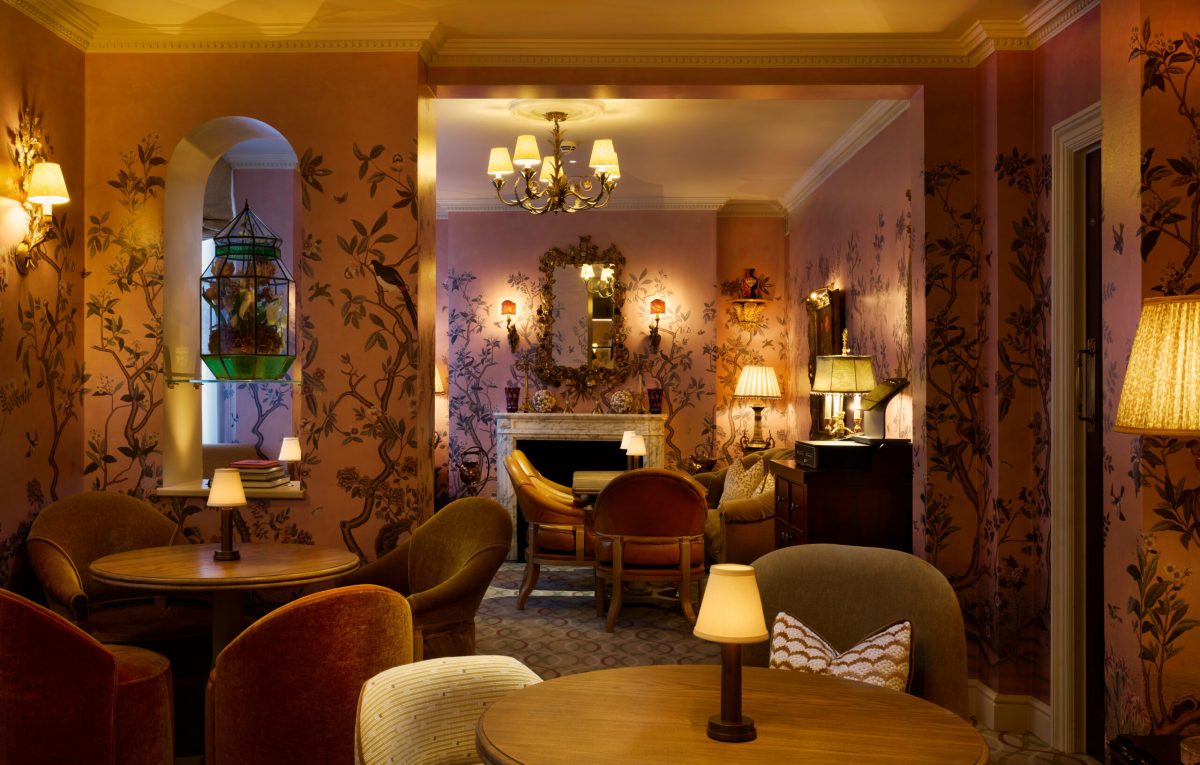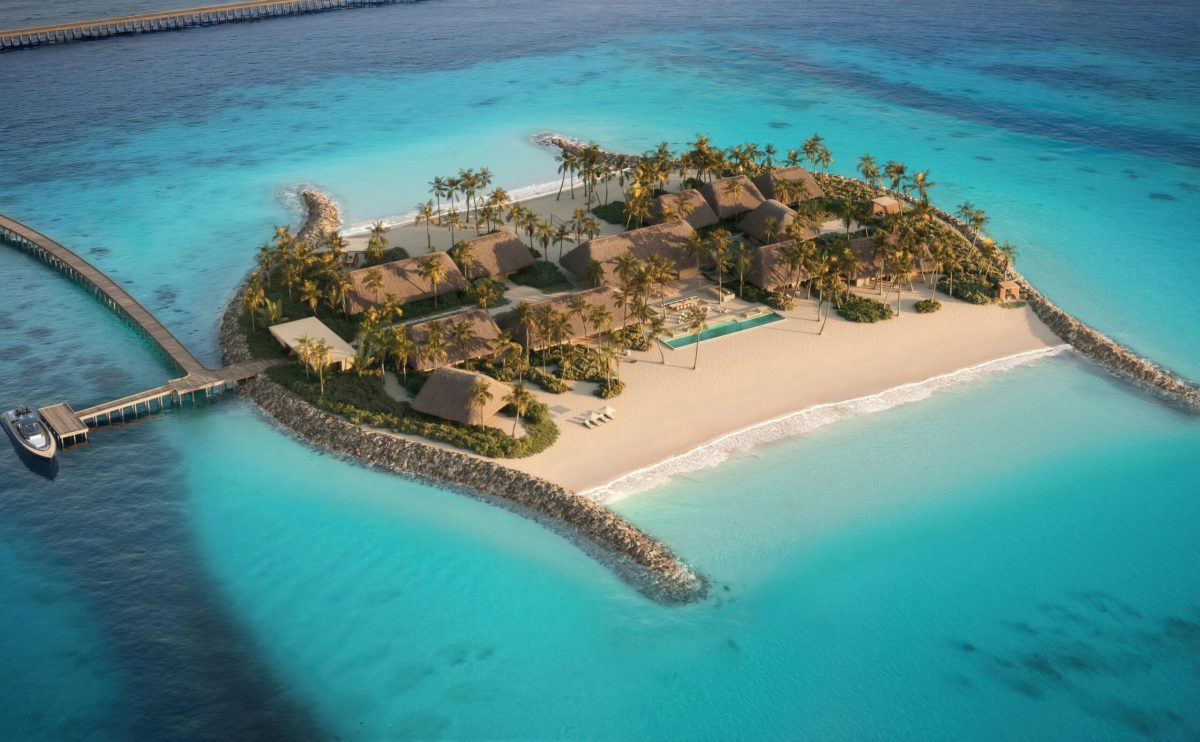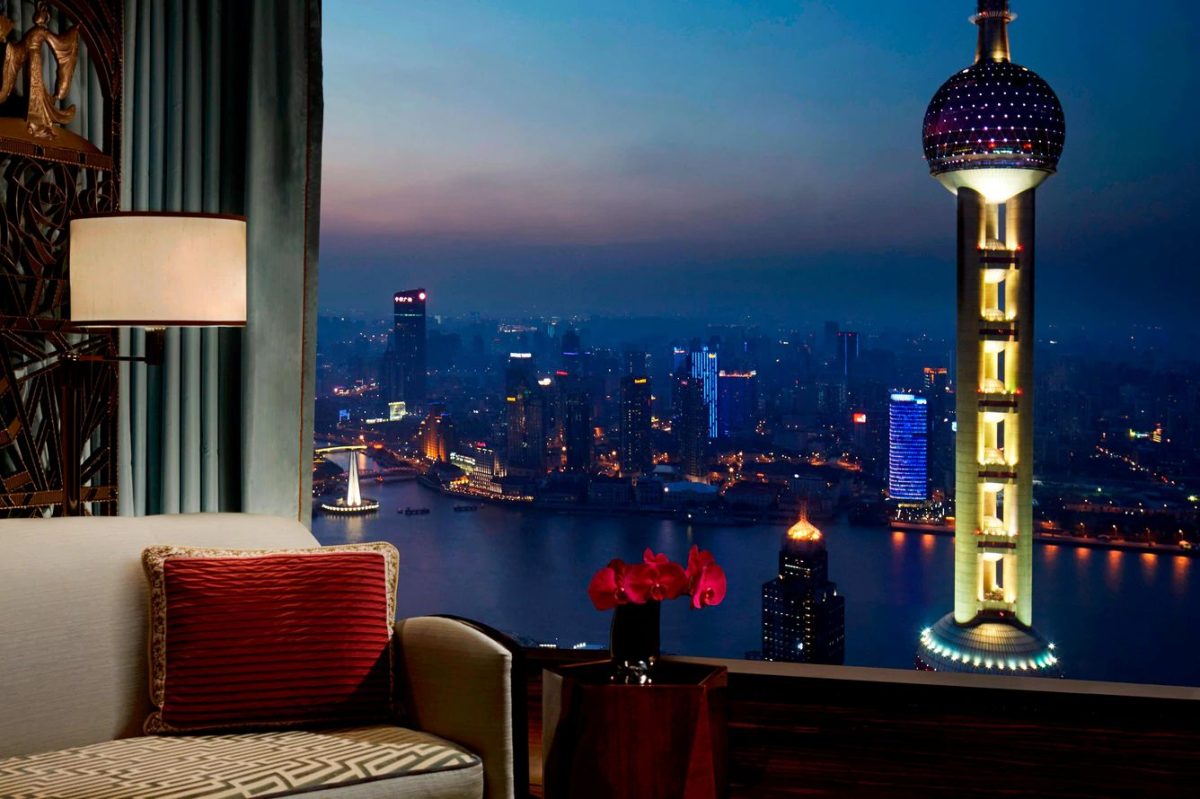
Picture this: a 480-meter skyscraper rising along Shanghai's North Bund, its organically curved silhouette catching light off the Huangpu River. Inside, 110 rooms and suites await travelers seeking something that doesn't yet exist anywhere on Earth. In 2030, when Marriott opens its first urban Ritz-Carlton Reserve, luxury travel enters a bold new chapter.
Until now, the Ritz-Carlton Reserve has always meant escape. Since 2009, only nine properties have carried the name, each planted in carefully chosen remote corners of the world. Thailand's Phulay Bay whispers tropical secrets. Mexico's Riviera Nayarit offers Pacific solitude. Every Reserve shares a philosophy: radical personalization wrapped around intimate connection to place, delivered in settings where nature dominates the view. The entire concept hinges on feeling utterly removed from the ordinary world.
Shanghai obliterates that playbook. This isn't a secluded jungle retreat or a clifftop escape. It's a megacity of 27 million people where heritage temples sit inches from gleaming tech campuses, where the past collides violently and magnificently with tomorrow. Shanghai's global connectivity makes it one of the world's most relentlessly forward-facing cities, yet traditions run deeper than most travelers realize.
Why Shanghai, Why Now
Marriott signed the deal in August 2026, partnering with Shanghai SIIC North Bund New Landmark Construction and Development Company to plant this flag. The North Bund itself is undergoing massive transformation, emerging as one of Shanghai's defining waterfront districts alongside the famous Bund across the river. Tina Edmundson, president of luxury at Marriott International, framed the move as an evolution rather than a departure: "Bringing that philosophy to Shanghai for our first urban Reserve is an incredibly exciting evolution for the brand. Shanghai is a city unlike any other, where extraordinary heritage and culture exist alongside incredible creativity, energy and global influence."
Translation: Shanghai has the contradictions that make luxury feel alive. You can eat at a Michelin-starred dumpling restaurant designed by a contemporary artist. You can meditate in a centuries-old temple while skyscrapers pulse with startup energy outside the walls. That collision of old and new, global and local, is exactly what the Reserve model craves.
What Guests Will Actually Get
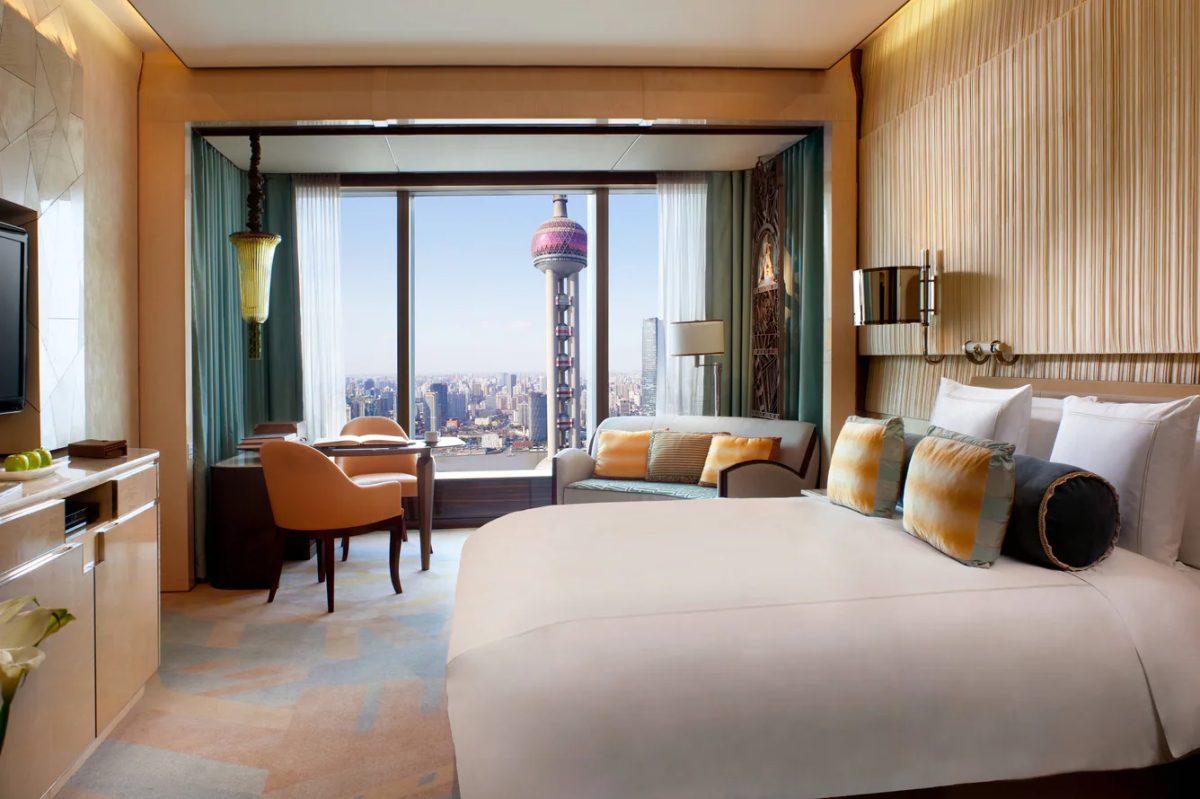
The 103-floor hotel will feature a Presidential Suite, multiple suite collections, and 110 rooms total, many commanding views of the Bund and river. But the Reserve brand isn't about thread counts and marble bathrooms. It's about experiences you cannot find anywhere else. Marriott promises deep cultural immersion sits at the core of every guest's stay.
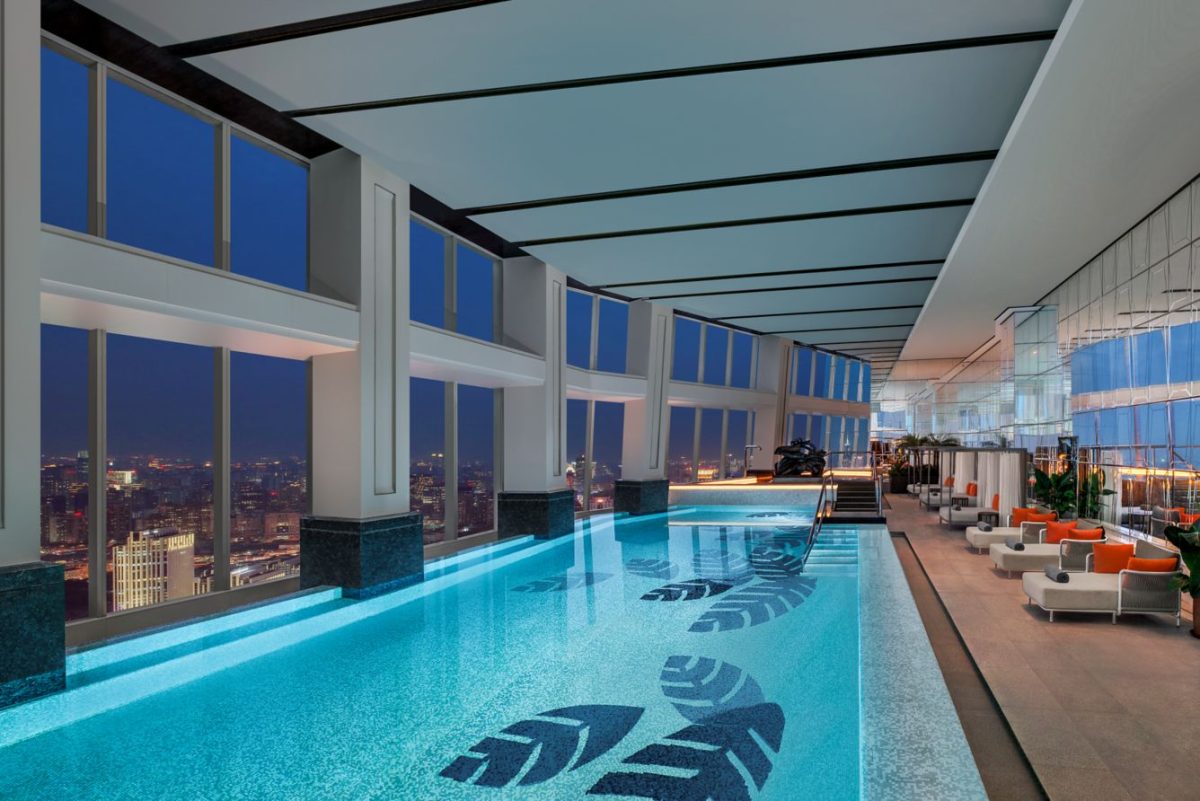
The property will include a specialty restaurant, a custom bar, an indoor swimming pool, and a dedicated spa and wellness retreat. What matters isn't the checklist of amenities but how they're woven into the fabric of place. If Shanghai's Reserve follows form, you'll eat dishes inspired by conversations with local chefs, not copied from other cities. The spa treatments might draw from traditional Chinese healing practices. The bar's cocktail list could tell a story about Shanghai's colonial past or its current role as a creative hub.
A Landmark City Moment
When this hotel opens, Shanghai becomes something no other city on the planet can claim: home to all eight of Marriott International's luxury brands. That's The Ritz-Carlton, St. Regis, The Westin, W Hotels, JW Marriott, Bulgari, EDITION, and now Reserve. It's a stunning statement about Greater China's clout in luxury travel. It also reflects a massive shift in what wealthy travelers actually want. Younger luxury travelers are driving demand for authentic, culturally rooted experiences over generic 5-star performance, and the Reserve concept rides that wave perfectly.
Shanghai's own evolution matters too. The city isn't resting on its reputation as a financial powerhouse. It's rebranding itself as a cultural destination, a center for contemporary art, design, and gastronomy. A luxury hotel that refuses to treat Shanghai as just another wealthy city, that instead mines its specific character for guest experiences, fits that narrative exactly.
Mark 2030 on the calendar. When the North Bund Reserve opens, luxury travel won't just gain another five-star property. It gains proof that the Reserve brand can flourish in cities, that radical localization works at 480 meters up, and that Shanghai remains one of the few places on Earth ambitious enough to fundamentally reshape what a category of travel means.