A routine airport notice sparked a social media firestorm this week when several outlets misread a technical advisory as proof that Pakistan was closing parts of its airspace to commercial traffic. The Pakistan Airports Authority (PAA) quickly shot back with a clarification: the skies remain fully open, and the story told online bears little resemblance to reality.
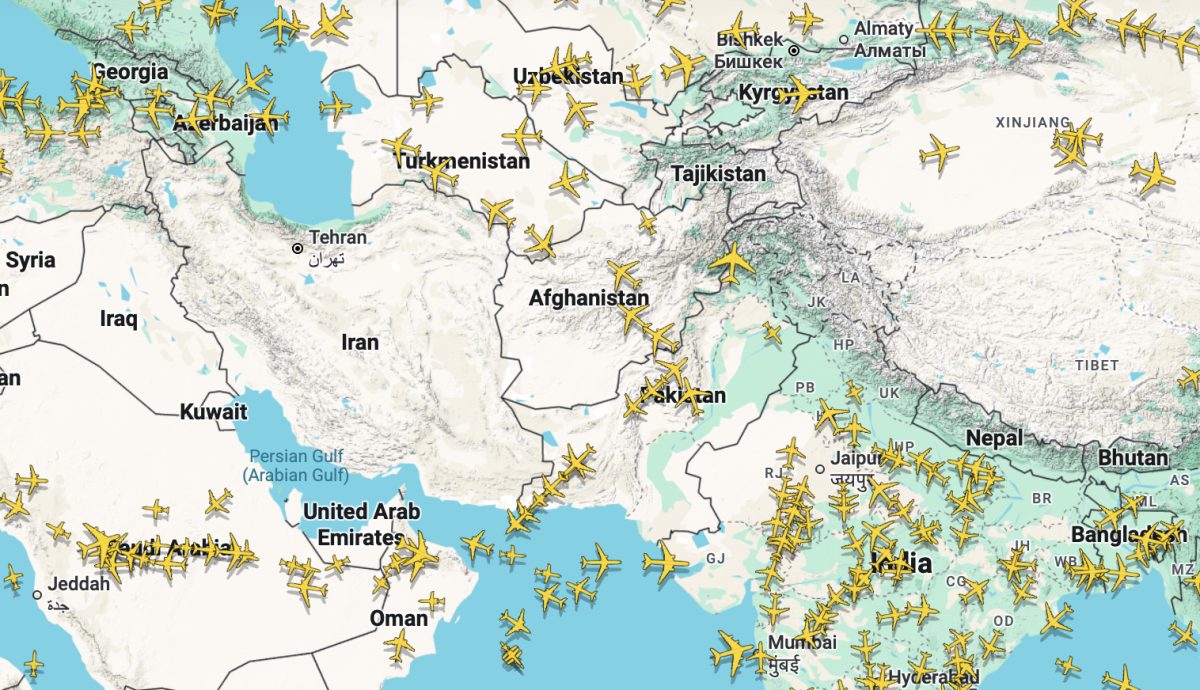
The confusion centers on a Notice to Airmen (NOTAM) that specified certain air traffic service routes in the Karachi and Lahore flight information regions would be unavailable from 9 am to 3 pm local time during a six-week window (March 3-31, 2026). That's hardly a dramatic closure. The PAA explained these were routine adjustments due to standard operational reasons, with airlines able to use alternative routes. Real flight tracking data confirmed that commercial traffic continued flowing normally outside those specific route segments and times.
The authority issued a direct rebuke on social media, asking journalists and commentators to stop spreading inaccurate headlines that alarm passengers. "Our air traffic controllers and airport teams are fully operational," officials stated, noting that arrivals, departures, and overflights across Pakistan faced no restrictions.
The Real Story Behind the Routes
What makes the timing genuinely noteworthy isn't Pakistan's internal flight procedures, but the broader regional security crisis unfolding around it. On February 27, Pakistan intensified military operations against Taliban militants in neighboring Afghanistan, an effort Islamabad branded "Righteous Fury." Within days, the entire Middle East became destabilized as Gulf nations and Iran escalated existing tensions into something far more dangerous.
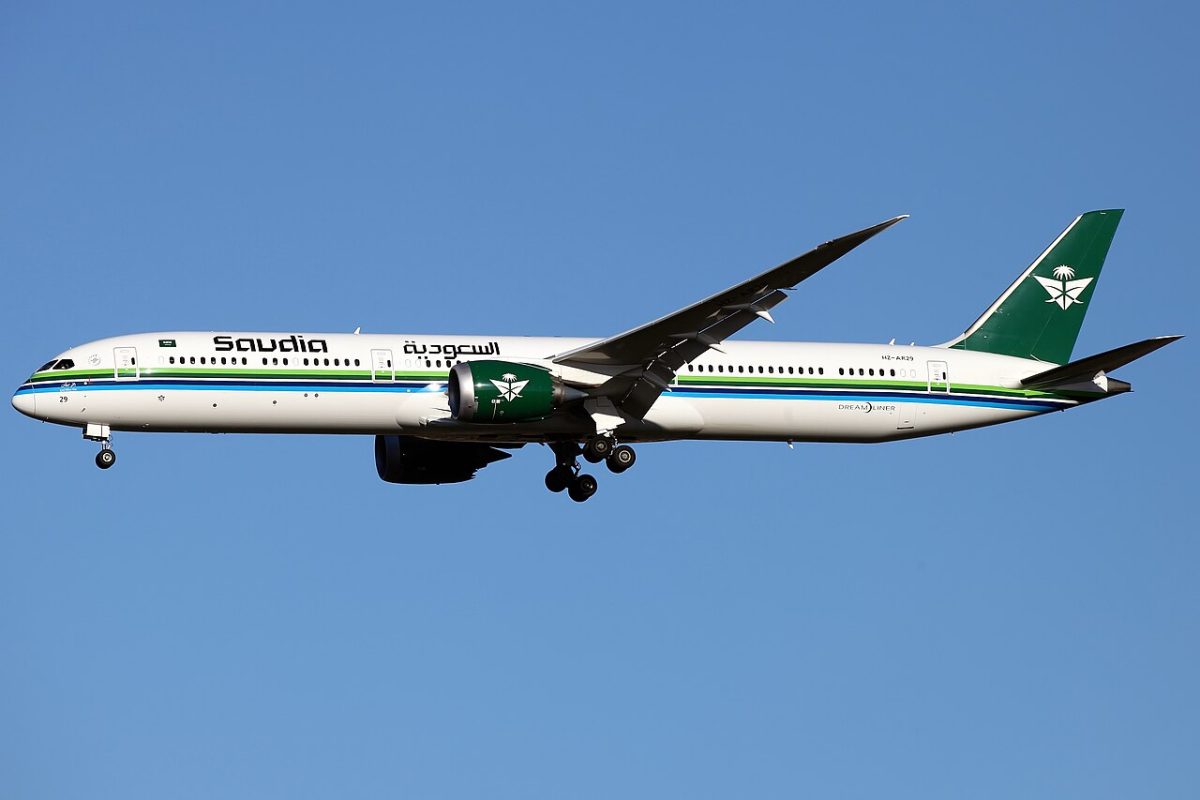
This is where the story gets serious for travelers. Qatar, Saudi Arabia, and other major aviation hubs initially attempted to mediate but were quickly swept into the expanding conflict. Iran, Iraq, and Jordan have since imposed varying degrees of airspace restrictions. Routes over the Persian Gulf have faced intermittent closures. The knock-on effect has been brutal.
Hundreds of Flights Vanish
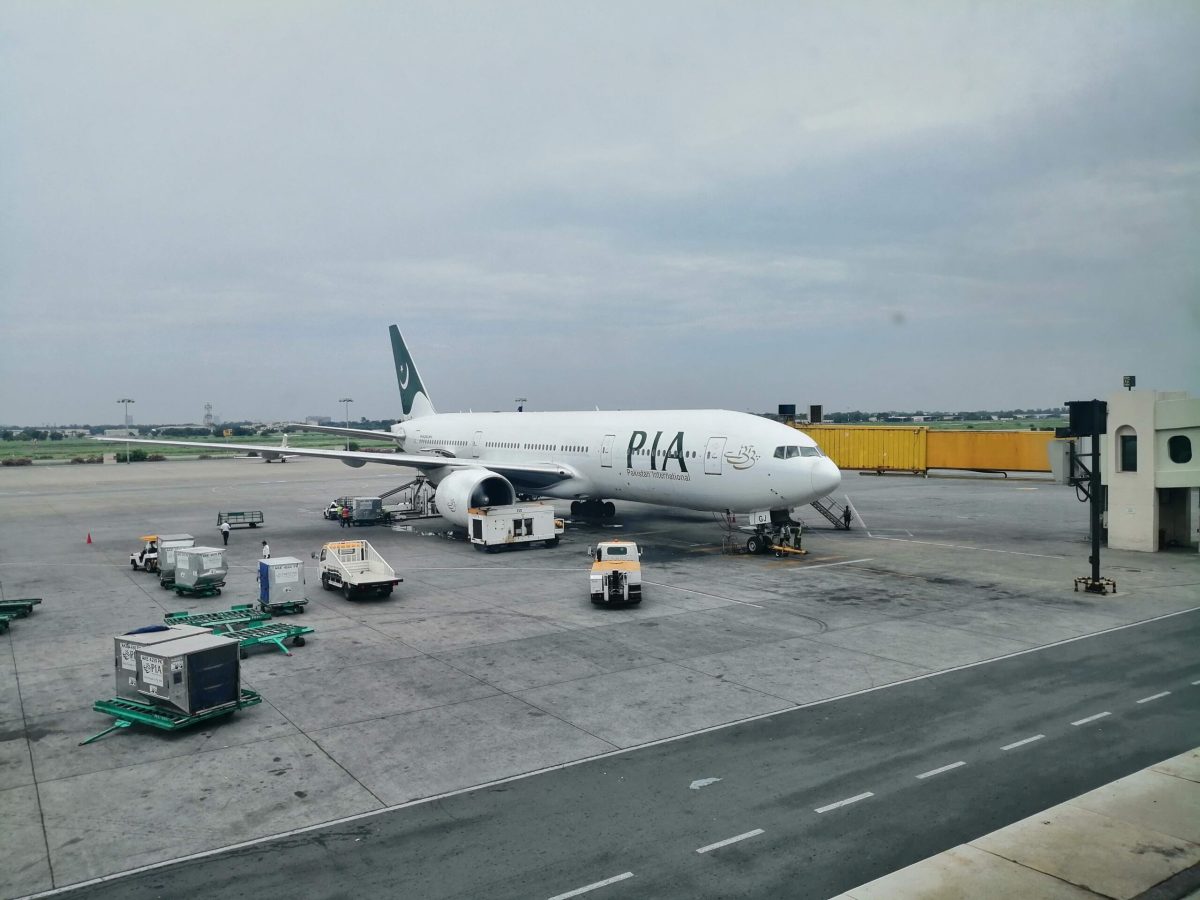
Nearly 300 flights between Pakistan and major Gulf hubs like Dubai, Doha, Abu Dhabi, Muscat, and Sharjah were cancelled in a single 24-hour period. Pakistan International Airlines (PIA) suspended all services to the UAE, Bahrain, Kuwait, and Qatar, with only Saudi Arabia flights continuing on rerouted paths that avoid active conflict zones. In one day alone, at least 116 Middle East-bound flights from Pakistan were grounded, leaving thousands stranded across the region.
The airline industry isn't hiding its distress. Travel stocks plummeted on March 2, with American Airlines and United down roughly 6%, while European carriers like Lufthansa shed 5.7% and German tour operator TUI dropped 9.6%. The top 29 travel and leisure companies lost a combined $22.6 billion in market value in a single trading session. Oil prices jumped 13%.
The Bottleneck Over the Caucasus
As no-fly zones expanded across Iran, Iraq, and western Pakistan, airlines were forced into an improvised detour sometimes called the "Baku bottleneck." Flights from Asia to Europe now squeeze through a narrow corridor over Azerbaijan and Turkmenistan instead of their normal paths. The result is apocalyptic for schedule planning: routes are adding 90 to 120 minutes, with some Asia-Europe services experiencing delays up to five hours due to unscheduled refuelling stops. Real-time tracking reveals unprecedented congestion as the world's primary east-west transit artery becomes a single, overcrowded lane.
For travelers planning trips to Pakistan, the UAE, or anywhere across South Asia and the Gulf, the present situation demands flexibility and patience. Check with your airline before booking, monitor official sources, and build in buffer time for longer connections. The Pakistani airspace itself remains operational, but getting there from many directions involves significant detours and delays until regional tensions ease.