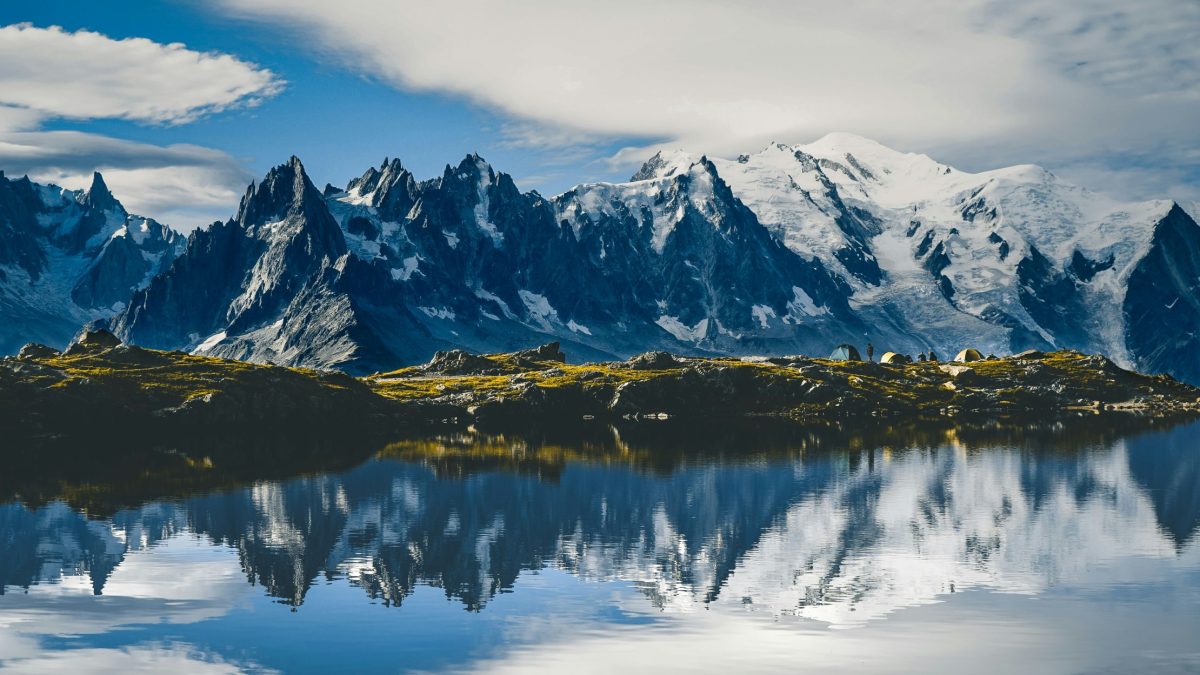
The Tour du Mont-Blanc has a problem most trails would envy: too many people want to walk it. More than 80,000 hikers tackle this 170-kilometre loop each year, weaving through France, Italy, and Switzerland around Western Europe's highest peak. By spring 2027, that crowd may need to book ahead like dinner reservations at a Michelin restaurant.
French authorities in Saint-Gervais-les-Bains and several neighbouring municipalities are pushing through new rules that will require hikers to reserve a spot in a mountain refuge or designated bivouac zone before they set foot on the trail. No space? Your trip gets postponed. It's an extreme measure designed to ease strain on fragile mountain infrastructure in tiny villages that, despite being accustomed to visitors, are buckling under the weight of peak-season foot traffic.
Jean-Marc Peillex, mayor of Saint-Gervais and the starting point for many Tour du Mont-Blanc attempts, has become the face of this crackdown. Speaking to Swiss media, he painted a picture of congestion: hikers moving in single-file queues, rubbish scattered across pristine landscape, and villagers watching their countryside transform into a bottleneck. The solution, he argues, is gatekeeping. Permit systems. Penalties for rule-breakers. Make it harder to go, and fewer people will show up.
The concept isn't entirely new. Three of the high-altitude refuges already operate reservation systems, so some hikers know the drill. But when an entire region adopts the model, it ripples across the entire hike. Mountain guides are already grumbling: they now need to reserve accommodation a year in advance, before they even have paying clients booked. For an industry built on flexibility, that's a headache.
The debate has split the hiking community wide open. Critics argue that mandatory advance bookings trample on the spirit of wild mountain exploration, potentially discouraging people from staying active outdoors. There's also the economic angle: if hikers can't walk freely on the French side, some will pivot toward entry points in Switzerland, where no such restrictions exist (yet). Small mountain towns that depend on visitor spending may end up worse off, not better.
Others see it differently. For those watching overtourism swallow popular destinations across Europe, capping visitor numbers feels like salvation. The Alps are fragile ecosystems, and there's only so much trampling they can absorb before erosion, overcrowded huts, and ecosystem damage become irreversible. From this perspective, 80,000 annual hikers might simply be 20,000 too many.
The real headache, though, is coordination. Joachim Rausis, mayor of the Swiss village of Orsières, has warned that conflicting rules across three countries will only confuse hikers and push traffic around rather than reduce it. He's calling for a unified approach: Switzerland, Italy, and France working together on access policies instead of each municipality doing its own thing. That's easier said than done when mountains don't respect borders and tourists follow the path of least resistance.
For now, anyone planning a Tour du Mont-Blanc adventure in the next couple of years should move fast. Come 2027, spontaneity gets a reservation deadline.