Lithium batteries are quietly becoming one of aviation's most serious hazards. Japan's government has had enough. Starting immediately, power banks are completely banned on all flights entering, leaving, or transiting through the country, affecting everyone from business travelers to backpackers.
The decision didn't come from nowhere. Japan's National Institute of Technology and Evaluation documented a staggering 123 mobile battery incidents in 2024 alone. Some resulted in actual mid-flight fires, dramatic footage of which spread across social media and alarmed the traveling public. One power bank explosion at Tallinn Airport showed exactly why checked baggage fires are so dangerous. These aren't theoretical risks anymore.
A Crisis Across Asia's Skies
Japan isn't acting in isolation. South Korea's Air Busan experienced its own lithium battery blaze in early 2025. The fire started in an overhead bin, but fortunately all 127 passengers evacuated safely (though 27 sustained injuries). That incident forced South Korea to impose restrictions across its major carriers, including Korean Air and Asiana Airlines.
The pattern repeats everywhere you look. A Hawaiian Airlines flight from Honolulu to Tokyo saw another battery fire. An All Nippon Airways (ANA) flight from Naha to Tokyo filled with smoke. An Air China flight experienced a lithium battery fire in its overhead compartment while flying between Hangzhou and Seoul. These aren't isolated incidents anymore. They're becoming routine.
China Airlines, Scoot, and Thai Airways have all adopted strict no-charging policies in 2025. Most major Japanese airlines now require passengers to keep power banks at their seats rather than in overhead lockers, where fires are harder to detect and fight.
Why Lithium Batteries Are the Real Problem
Lithium batteries powering everything from phones to laptops to portable chargers have an uncomfortable flaw: they overheat unpredictably, ignite without warning, and emit toxic fumes when they do. The European Union Aviation Safety Agency (EASA) classifies them as dangerous goods and has stepped up monitoring and safety campaigns accordingly.
If you must travel with lithium batteries, EASA's guidelines are clear. Keep devices in the cabin, not checked baggage. Tape terminal ends or place them in individual plastic bags to prevent short circuits. But there's more: watt-hour limits apply strictly. Most consumer electronics cap out at 100Wh, while specialist cameras or portable medical devices can go between 100Wh and 160Wh only with prior approval. Anything exceeding 160Wh gets left behind.
What This Means For Your Next Trip
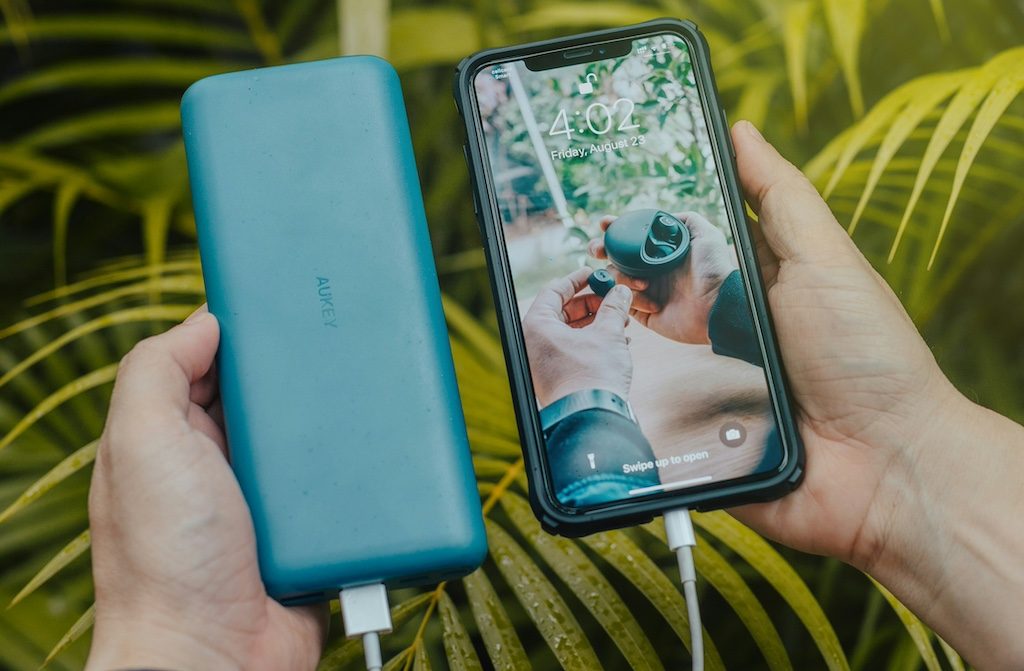
If you're flying to Japan, you'll need to leave your power bank at home or accept that it won't be usable on the aircraft. That portable charger you rely on to keep your phone alive through long layovers becomes luggage. Plan accordingly. Stick to in-flight USB ports, carry a wired charger instead, or buy a replacement battery for your device before boarding.
The International Civil Aviation Organisation, part of the United Nations, is expected to issue international guidance imminently. Japan has essentially made a preemptive strike, betting that global aviation will move in this direction anyway. Whether more countries follow remains to be seen, but the writing on the cabin wall is clear: portable batteries are becoming the cigarettes of the sky. The restrictions are only going to get stricter.