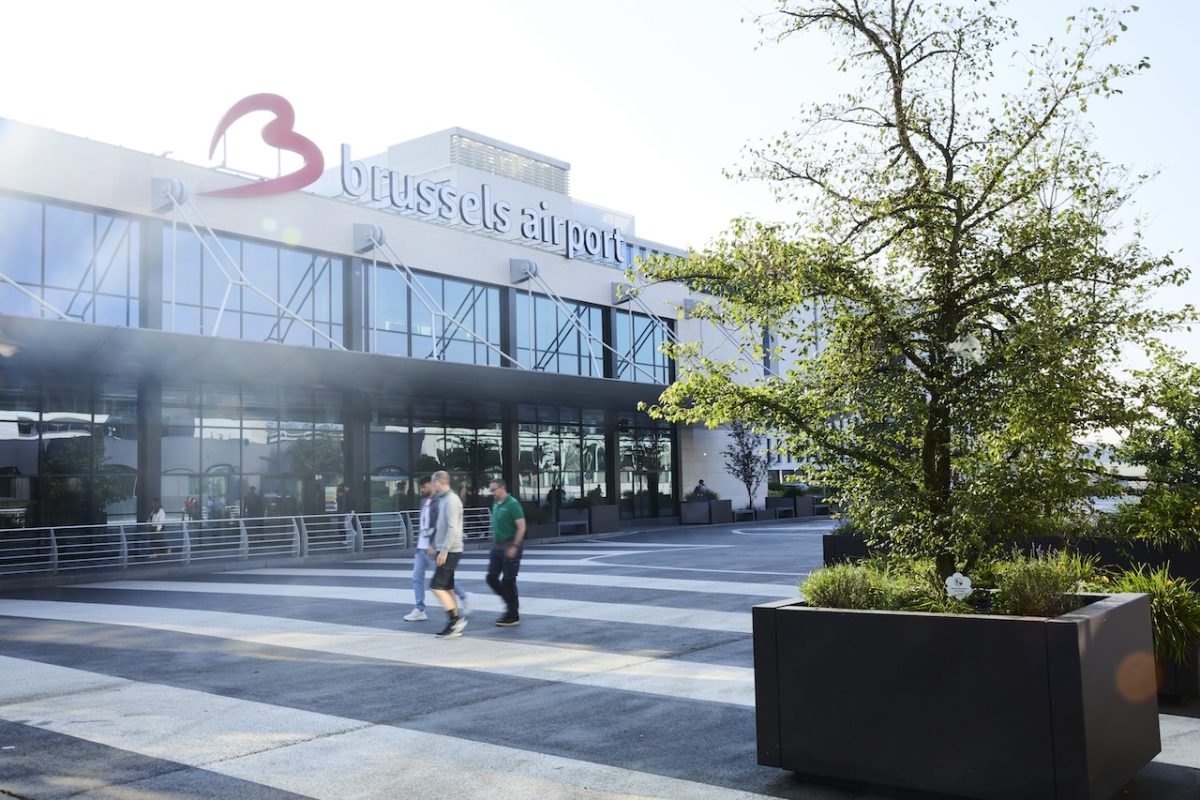
Brussels Airport is having a moment, though not the kind anyone wants. Belgian law enforcement recently sounded the alarm that the busy European transit hub has become a magnet for international drug smuggling operations. The problem? A small number of corrupt employees on the inside, deliberately helping criminal networks move massive quantities of narcotics through the facility.
The scale of the operation caught everyone's attention. In 2025 alone, customs officials confiscated approximately nine tonnes of drugs at the airport, double the amount seized just a year earlier. That's not a rounding error. That's a full-scale criminal enterprise operating in plain sight, and it's raising serious questions about security at one of Europe's most important travel hubs.

How the Operation Works
Here's where it gets troubling. Investigators believe some criminals have actually gotten jobs at the airport specifically to exploit their access. Baggage handlers and ground staff are accused of working with drug gangs to move product through customs checkpoints and security zones. Once these insiders prove themselves reliable through small test runs, they can pocket up to 1,000 euros per kilogram of cocaine trafficked. One pair of baggage handlers split 200,000 euros for a single operation. From the criminal organization's perspective, that's pocket change compared to what that cocaine sells for on the street.
Prosecutors stress that the vast majority of airport staff operate with complete integrity. But that's the thing about internal corruption: you don't need many people compromised to create serious problems. A handful of bad actors with access to restricted areas and knowledge of security procedures can enable massive trafficking networks.

Smuggling Techniques Keep Getting Smarter
What makes Brussels Airport particularly attractive to traffickers is the sheer volume of cargo and passengers moving through daily. Narcotics are being hidden in increasingly creative ways. Some drugs arrive concealed inside aircraft compartments or cargo hold areas. Others turn up in passenger luggage. Then there are the unconventional hiding spots: Duplo brick sets, artwork, flowers, and commercial freight shipments. Unaccompanied suitcases are sometimes sent on high-risk routes to countries like the Dominican Republic, Gambia, and Mexico, where they're collected by network members.
The sophistication of these methods reflects what happens when serious criminal money meets basic logistics knowledge. It's not sophisticated spy craft, but it doesn't need to be. The volume alone creates opportunities.
Why Brussels Became a Hub
Belgium's geographic position doesn't hurt. The country sits in the heart of Western Europe, making it a natural transit point. Intelligence agencies also point to changing drug markets in Southeast Asia. Following partial decriminalization in Thailand, cannabis shipments destined for Europe have increased noticeably. Belgium itself plays a central role in manufacturing and distributing synthetic drugs like ketamine and MDMA, which adds another layer to the criminal activity passing through the airport.
There's also the Port of Antwerp connection. Law enforcement notes that the criminal networks operating at Brussels Airport are directly linked to smuggling operations at Belgium's major port. The infrastructure, the contacts, the routes, the money,it all connects. The challenge for authorities is identifying the higher-ups in these networks rather than just catching the street-level operatives doing the actual smuggling.
The Fight Back Begins
Belgian customs and excise authorities aren't sitting idle. The General Administration of Customs and Excise revealed their efforts at an annual press conference, noting progress on multiple fronts. A new body scanner was introduced at the airport in spring 2025, designed specifically to catch drug smugglers who might be transporting contraband. Authorities are also leveraging encrypted messaging intelligence gained from platforms like Sky ECC, which has been crucial in understanding how these criminal networks communicate and coordinate.
Another tactic involves following the money. When you trace financial flows, you can identify relationships and networks that might not be obvious from looking at smuggling incidents alone. It's slower than dramatic airport busts, but potentially more effective at dismantling actual organizations rather than just interrupting individual shipments.
What This Means for Travelers
If you're flying through Brussels Airport, the presence of corruption among some staff doesn't mean the airport is unsafe or that security is nonexistent. Thousands of employees maintain professional standards. Increased scrutiny and new technology are being deployed specifically to address the problem. Customs searches remain thorough, and detection methods are improving.
That said, this story is a reminder that major international airports operate in a complex reality. They're targets for criminal activity precisely because they're important. The fact that authorities openly acknowledged the problem and are implementing solutions suggests a functional system responding to a genuine threat, not a broken institution.
When you're traveling through Brussels, pack smart, know what you're carrying, and expect thorough security checks. The airport's response to this crisis may actually make it safer than it was before authorities decided to go public with the investigation.