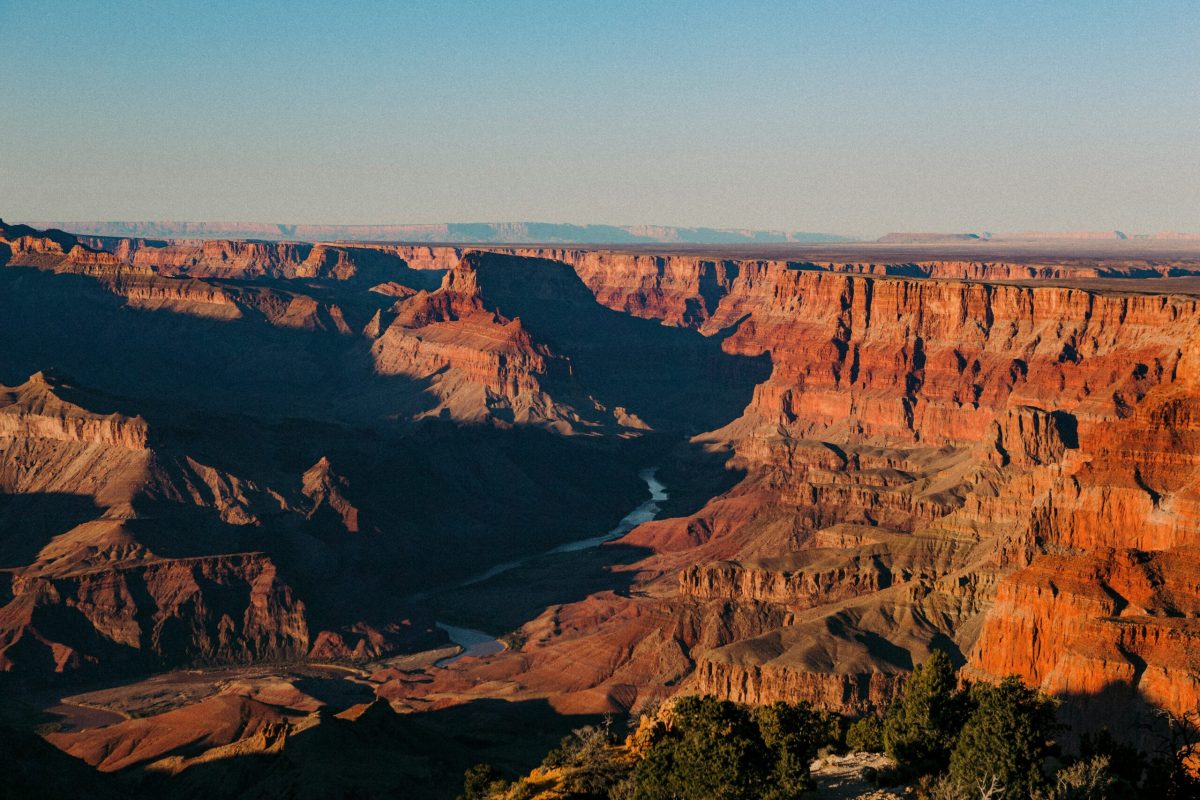
On August 29, 2026, the Grand Canyon transformed into a raging torrent. A powerful flash flood carved through Bright Angel Canyon and the Phantom Ranch area, turning what is normally a destination of serene beauty into a zone of disaster. Two people lost their lives. More than 80 visitors and staff had to be rescued, many by helicopter. The incident exposed just how vulnerable this iconic landscape can be when nature unleashes its full force.
The flooding ravaged infrastructure across the inner canyon. Nearly every footbridge spanning Bright Angel Creek was destroyed or rendered impassable. The water ripped through the canyon with such violence that rescue teams had to extract more than 60 people from Phantom Ranch and the lower North Kaibab Trail by helicopter. At least one person remained missing in the days following the event, underscoring the chaos that unfolded as waters rose without warning.
A Water System Broken, a Park in Crisis
What made this disaster worse was damage to a critical piece of infrastructure most visitors never see: the Transcanyon Waterline. This system carries water from deep within the canyon to supply the entire South Rim. When the floodwaters hit, they damaged this vital pipeline so severely that it stopped working entirely. Suddenly, the Grand Canyon found itself facing an acute water shortage with no quick fix in sight.
Park officials responded immediately with Stage 4 water restrictions, the highest level short of a complete crisis. Every hotel on the South Rim went dark. El Tovar, Bright Angel Lodge, Maswik Lodge, Phantom Ranch, Yavapai Lodge, and the Trailer Village RV Park all closed. The National Park Service didn't pull back on its messaging about what was at stake: "These measures are crucial for ensuring the safety and sustainability of water resources." Translation: without drastic action, the park couldn't function.
For visitors still in the area or planning trips, the restrictions mean real constraints. Camping is limited to dry camping only, with water spigots shut off at South Rim campgrounds. Bathroom faucets remain on, but shower time is now capped at five minutes. Toilet flushing is supposed to be selective. Laundry can only run with full loads. These aren't mere suggestions. They're survival measures for a park that suddenly had to ratify its water consumption.
Understanding What Happened
The Grand Canyon sits in monsoon country. During late summer, intense rainfall funnels rapidly through steep, rocky terrain that was designed by nature to move water. Most years, this is manageable. In 2026, conditions aligned to create catastrophe.
The region had recently endured the 2025 Dragon Bravo wildfire, which burned nearly 150,000 acres across northern Arizona, including parts of the North Rim. Burned landscapes shed water differently. Without vegetation to absorb rainfall, runoff becomes more aggressive and faster. Climate experts pointed to additional factors: persistent drought, rising temperatures, and what they believed was a stronger-than-typical El Niño pattern. Together, these conditions created a perfect storm.
What This Means for Your Trip
The park itself remains open for day visitors. You can still visit the rim, hike certain trails, and see what you came to see. The Grand Canyon Clinic, Post Office, and food services are operating, though some have reduced hours. What you cannot do right now is spend a night on the South Rim in park lodging. Hotels in Tusayan, the gateway town outside park boundaries, remain open and unaffected.
River trips are a different story. The Colorado River is closed to all commercial traffic until further notice due to debris and metal structures from the flood now posing hazards downstream. If you have a river trip scheduled, contact your outfitter or the NPS River Permits office directly. Cancellations and rescheduling are likely.
The flood risk isn't over. The National Park Service warned that additional thunderstorms could trigger more flash flooding, debris flows, and rockfall. Trail conditions remain unstable. The inner canyon is off-limits for now. Hiking that part of the Grand Canyon is not an option at the moment.
For travelers planning a Grand Canyon visit in the coming weeks, book your stay in Tusayan or nearby Flagstaff. Bring extra water for any day hikes. Check the official NPS website before you go. This disaster revealed how quickly one of Earth's most magnificent places can become dangerous. Respect that power, plan accordingly, and wait for conditions to improve before venturing into the heart of the canyon.