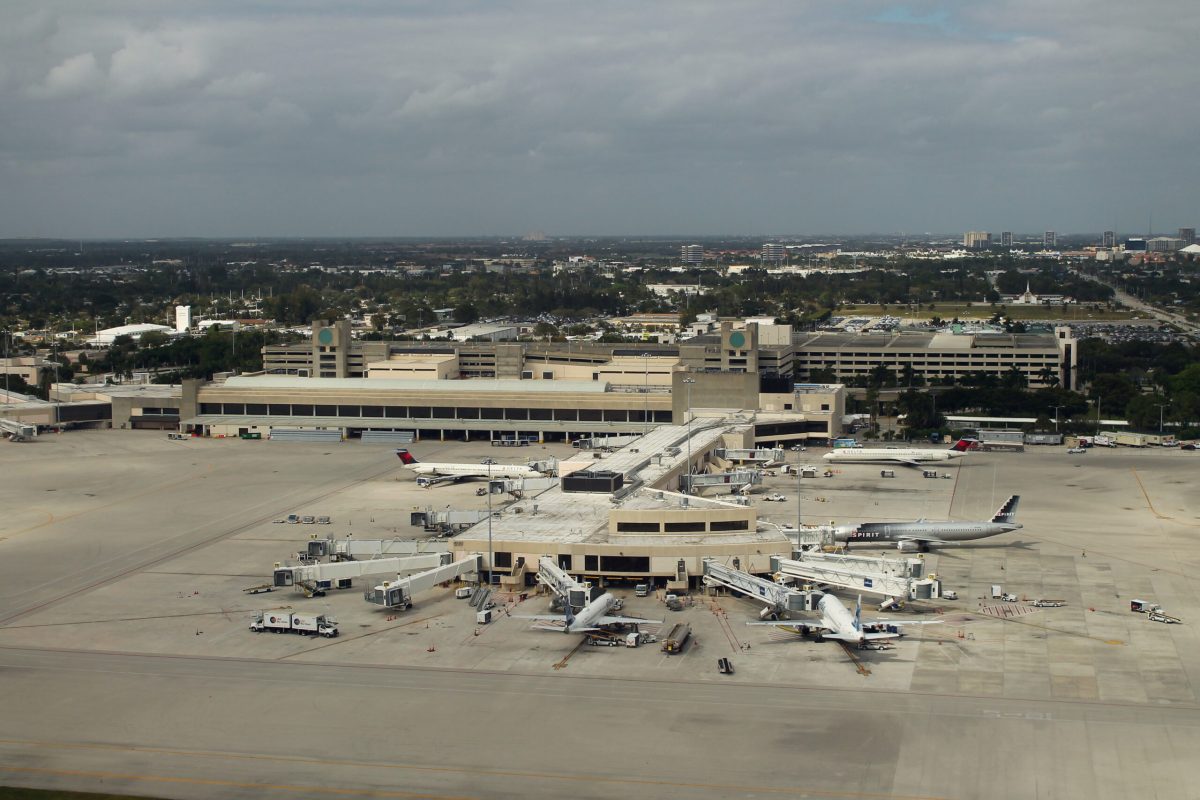
The airport that has served South Florida's jet-setters and vacationers since 1948 is about to get a new name. Florida state legislators have voted overwhelmingly to rebrand Palm Beach International as the Donald J. Trump International Airport, a proposal that now awaits Governor Ron DeSantis's signature and Federal Aviation Administration approval.
Located in West Palm Beach, about 6 miles from Trump's Mar-a-Lago resort, this airport already feels intimately connected to the property. Trump frequently flies into the facility on Air Force One, and the surrounding area has been similarly branded, with a boulevard leading to his club renamed in his honor.
The Numbers Behind the Rename
The cost of this rebranding exercise is substantial. Florida lawmakers have allocated at least $2.75 million initially for signage, branding materials, and website updates, with total costs potentially exceeding $5.5 million once all changes are implemented. That's a significant investment for a name change, and some observers question whether the spending is justified.
Trump's organization has already jumped ahead, filing trademark applications for "DJT," "Donald J. Trump International Airport," and variations of the full name. The Trump Organization has stated it won't collect licensing fees or royalties from the airport rebrand, though analysts suggest the trademarks could eventually cover branded merchandise and accessories.
A Proposal That Divides
The Florida Legislature approved the measure by large majorities in both chambers, with the House passing it 81-30. Republicans argue the rename honors Trump's record of delivering results for Florida and the nation. Supporters point to his immigration policies and Israel support as popular positions with the state's conservative voters.
Democrats and critics see things differently. They highlight the divisiveness surrounding Trump and question whether attaching his name to a major airport amounts to an institutional endorsement of his controversial legacy. Senator LaVon Bracy Davis put it bluntly: "When we attach a name to a major airport, we're not simply labeling a building. We are endorsing a legacy."
Travel Impact Remains Uncertain
For travelers, the practical question is what this means for the airport's future and Florida's tourism sector. Trump's policies have been associated with declining visitor numbers to the United States, particularly from Canada, which is one of Florida's largest source markets. Whether a Trump-branded airport will attract or repel international travelers is still an open question.
The rebrand won't happen overnight. Final approval from DeSantis and the FAA is still required. Once approved, the airport will maintain its crucial role as a major hub for South Florida's tourism industry, serving millions of passengers annually regardless of the name on the building. For business travelers, leisure visitors, and snowbirds heading to the region, the core function remains the same. What changes is the symbol on the signage and what travelers see when they land.