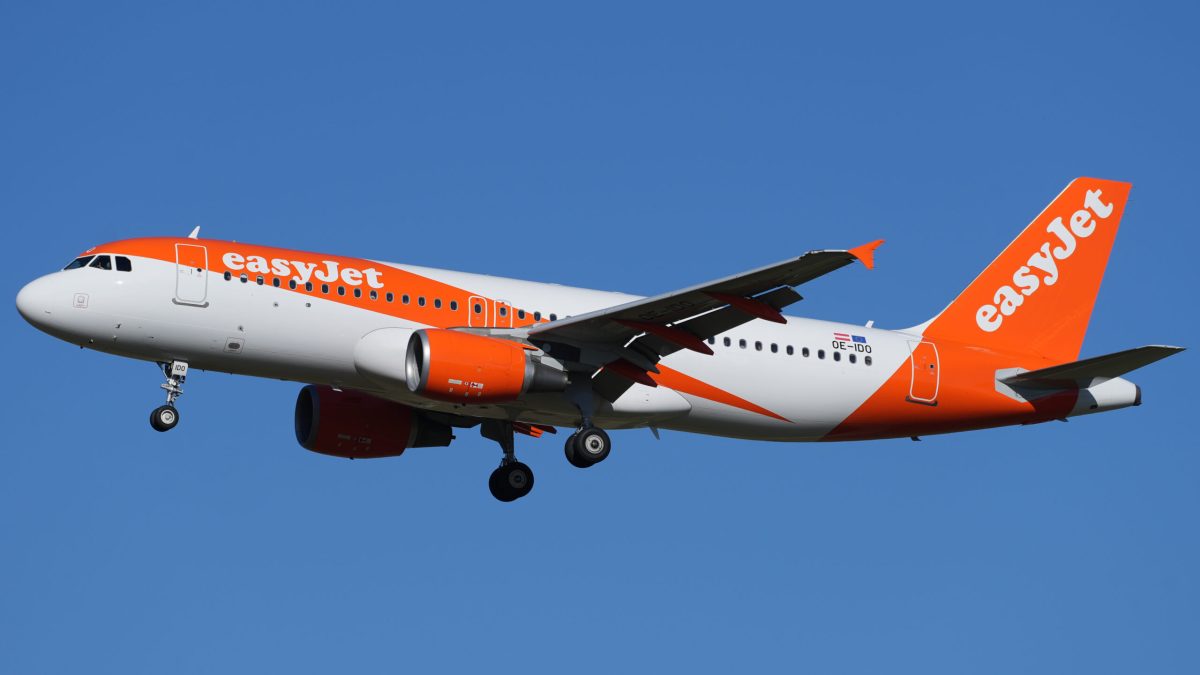
For anyone over 1.9 meters tall, budget airline seats feel like a punishment. Your knees wedge into the seat in front, your spine curves into an uncomfortable C-shape, and the next two hours become an exercise in misery. EasyJet knows this. That's why the carrier is betting on the Kestrel seat, a new design rolling out across its fleet starting in 2028.
The Kestrel isn't a radical redesign. Instead, it's a clever bit of engineering: the seat is built with a fixed 22-degree tilt that shifts your hips and spine back without requiring the usual increase in row spacing. The result? Up to two extra inches of legroom where it matters most. No adjustable reclline (passengers will have to live with that fixed angle), but the trade-off is a subtle geometry that actually works.
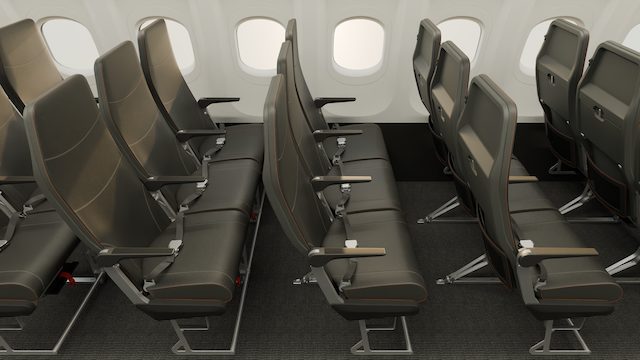
British manufacturer Mirus Aircraft Seating developed and tested these seats at its MTEST facility, and they're being installed on over 200 new Airbus A320neo and A321neo aircraft. The timing aligns with easyJet's broader fleet modernization push. Unlike United's lie-flat economy seats hitting long-haul flights in 2027, the Kestrel is built for short-to-medium-haul European routes, which make up the bulk of easyJet's network.
Of course, there's a catch. Larger passengers may still find themselves tight on space. Budget airlines don't suddenly become spacious just because one component changes. The seats are slimline by design, and width remains limited. But for the lanky traveler constantly battling economy class, this is a step toward something approaching actual comfort.
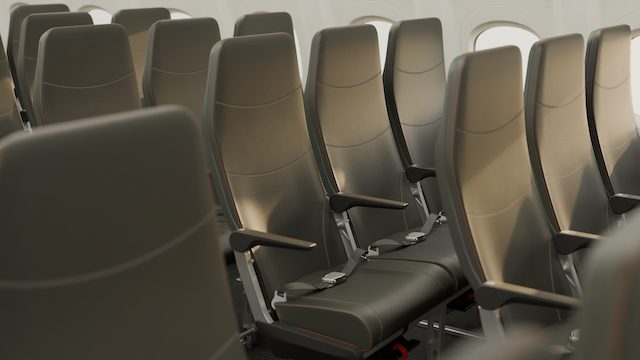
The real story, though, isn't just about legroom. Each Kestrel seat is more than 20 percent lighter than current models, shaving 500 kilograms per aircraft. Multiply that across easyJet's fleet and you're looking at a reduction of over 12,936 tonnes of fuel annually, equivalent to cutting more than 40,000 tonnes of CO2. The seats are also 98 percent recyclable, supporting the kind of circular economy thinking that's becoming less optional and more expected in aviation.
This is part of easyJet's larger efficiency push. The newer NEO aircraft themselves burn about 13 percent less fuel than older models and make less noise. Add lighter paint, small wingtip devices called sharklets, rearranged cabin layouts, and digital flight manuals instead of paper, and the weight savings compound. On the ground, optimized taxiing techniques reduce unnecessary engine use, while some airports let pilots shut down auxiliary power units and rely on pre-conditioned air instead.
David Morgan, easyJet's Chief Operating Officer, frames it simply: investing in the Kestrel supports efficient operations while modestly improving what passengers experience. It's not a revolutionary statement, but for a budget carrier, incremental improvements in comfort combined with real environmental gains matter.
The Kestrel seats land in 2028, which means if you're booking easyJet today, you're still looking at traditional configurations for years. But if you're planning a European hop a few years from now and luck into a newer aircraft, your knees might finally forgive the airline.