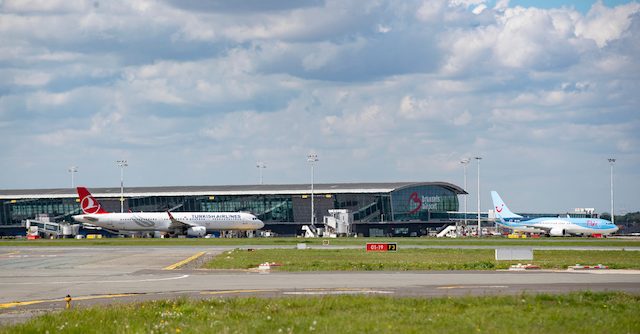
Brussels Airport has a serious problem with following the rules. According to the latest report from Belgium's federal aviation mediator, Philippe Touwaide, the capital's main gateway violated noise and flight regulations so persistently and flagrantly that he labeled the breaches "completely illegal."
The numbers paint a troubling picture. In 2025 alone, the airport shattered federal aviation rules 1,317 times. But that's just the beginning. When you factor in violations of noise control standards set by the Brussels Capital Region, the total climbs to more than 6,000 infractions in the first ten months of the year alone.

How It Breaks the Rules
The violations ranged from late-night flights operating when they shouldn't to cargo planes using daytime flight protocols after dark. Among the most egregious offences, Touwaide highlighted 200 nighttime departures by a Boeing 777 cargo aircraft, which he specifically called out as violations that never should have happened.
What makes this worse is that Brussels Airport isn't some struggling regional hub trying to handle unexpected overflow. It's the European capital's primary air gateway, serving millions of passengers annually. The airport managed 187,910 daytime flights and 16,237 night flights in 2025. Even with strict noise rules in place, it couldn't seem to stay compliant.

Who's Actually Paying the Price
The communities surrounding Brussels Airport are. A 2023 study by the Flemish Federation for a Better Environment found that 220,000 residents suffer from noise pollution caused by aircraft operations. Beyond the obvious inconvenience of jet noise at midnight, researchers have calculated that each nighttime flight costs Belgium up to 36,000 euros in health damage and social security expenses.
Over one-third of Flemish citizens now list noise pollution as the worst aspect of their living situation. The mediation service has received more than 14.6 million complaints over its 25-year history. Yet here's the kicker: fewer than one-fifth of the fines issued have actually been collected. Out of 32 million euros in penalties, just six million have made it into public coffers.
Interestingly, despite the massive number of violations, the mediation service reported a 14.7% drop in formal complaints, falling from 38,188 to 32,777. The airport attributed this to fewer people filing duplicate complaints, but critics point out that one-off fines for a single noise violation mean residents stop bothering to report each infraction.
The Airport's Defense
When asked about the report, Brussels Airport's spokesperson pushed back, claiming the airport operator isn't actually responsible for these violations. The airport blamed the Federal Public Service for Mobility and the independent Slot Coordinator, arguing that responsibility for flight scheduling and regulatory enforcement lies elsewhere.
Touwaide wasn't buying it. He called directly on airport management to demonstrate genuine respect for residents and the law. "The directors of the company that manages the airport should ensure that court rulings and all the regulations are complied with and that the number of breaches is drastically reduced, especially at night," he said.
For travelers flying into Brussels, this matters. Expect delays as regulations tighten, and know that your flight may be part of a deeply contentious relationship between the airport and the city it serves. The story of Brussels Airport is less about the building and more about what happens when a transportation hub decides that rules apply to everyone else.