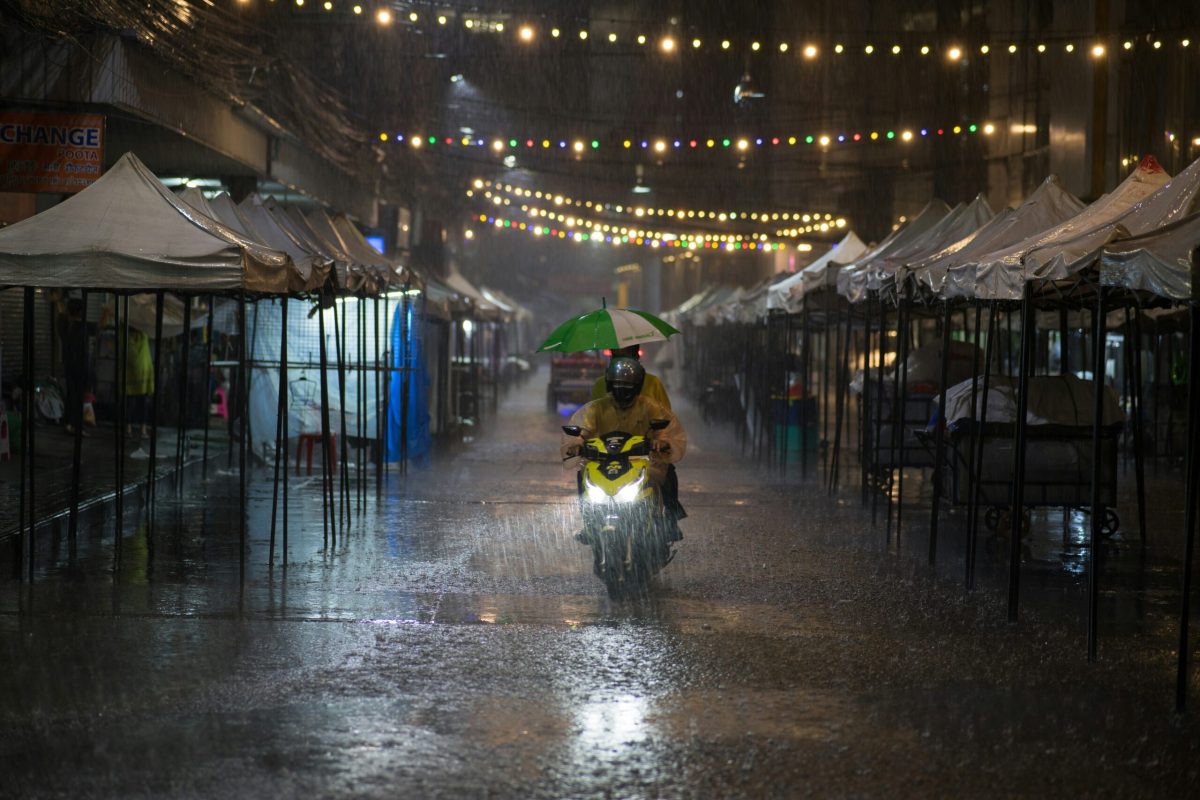
Bangkok is shaking off the water after a weekend of relentless rain that turned streets into canals and sent thousands scrambling for higher ground. The city's 50 districts have all been declared disaster zones, though the situation varies wildly from one neighborhood to the next. Eastern parts of the capital took the hardest hit, with some residents forced to evacuate. Now the floodwater is slowly retreating, but the cleanup is far from over. The governor says main roads could be clear in two days, while lower-lying areas might need up to a week.
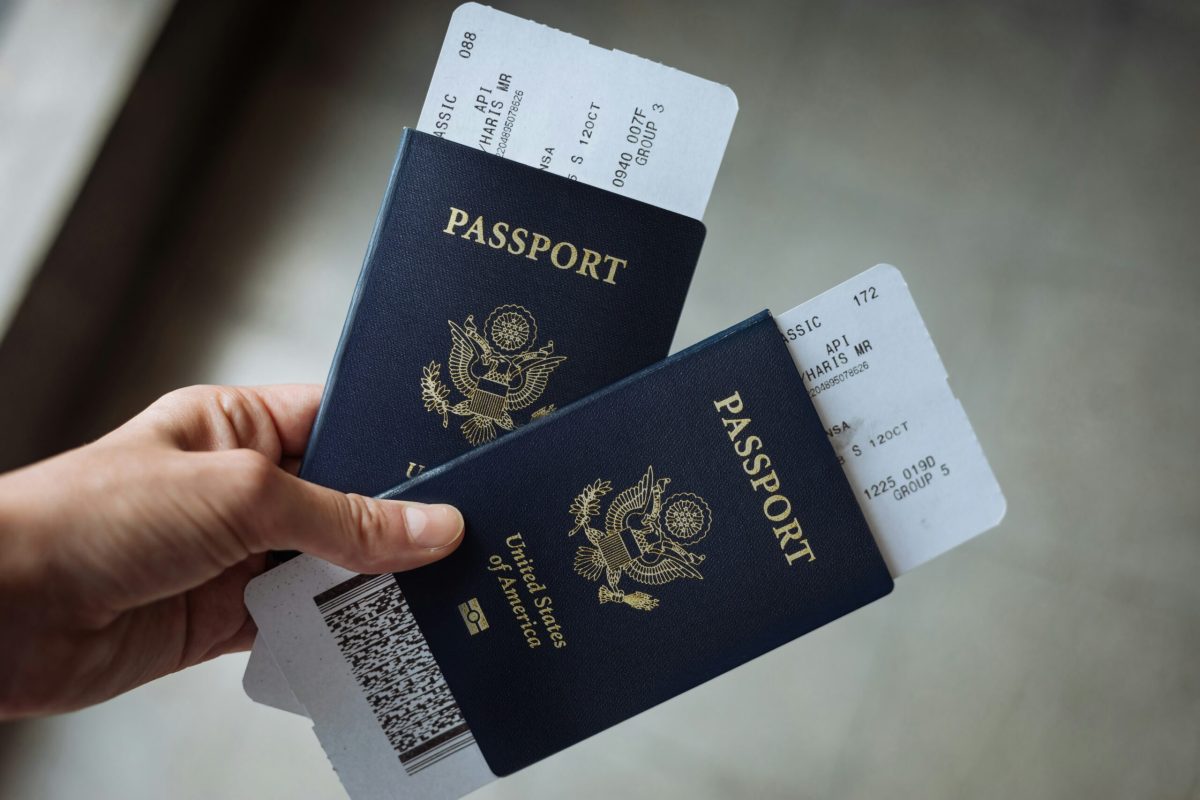
For travelers, this means one thing: patience. The UK Foreign Office's latest advice for Thailand warns that flooded roads and low-lying areas could disrupt journeys in Bangkok and the neighboring provinces of Nonthaburi, Pathum Thani, and Samut Prakan. That doesn't mean you should cancel your trip, but it does mean you need to plan smarter. The disaster declaration is not a travel ban. The Foreign Office's "all but essential travel" warning applies only to specific border areas with Malaysia and Cambodia, for separate security reasons. So don't treat one advisory as a blanket warning for the whole country.
What's Actually Happening on the Ground
The rain is easing across most of Thailand, according to the Meteorological Department's forecast for September 29. But isolated heavy downpours could still trigger flash floods or landslides in northern, central, and eastern regions. Bangkok itself is looking at scattered thunderstorms. So even if your hotel is dry, the route to get there might not be. Check the weather and traffic along your specific path before you head out.
The Thai government declared September 28 and 29 as special public holidays in Bangkok and the three affected provinces, hoping to reduce movement and ease pressure on the roads. Some government offices are closed or running with reduced staff, though essential services continue. If you need to visit an office for any reason, call ahead to confirm they're open.
Flights and Airports
Both Suvarnabhumi and Don Mueang airports stayed open throughout the flooding, but that doesn't mean smooth sailing. Thai Airways canceled around 30 departures on Tuesday because many staff couldn't reach work. The airline also called in the military to help clear a massive baggage backlog at Suvarnabhumi, as reported on social media. If you're flying, check your flight status directly with the airline and give yourself extra time to get to the airport. Roads around the airports may still be congested or blocked.
Should You Cancel Your Trip?
If you have a trip booked, start by checking your flight, hotel, and the transport you'll need to get there. If you're already in Bangkok, follow local instructions and never walk or drive through floodwater. Conditions can change block by block, so don't rely on a citywide update to tell you what your street looks like.
Now, about refunds. The Foreign Office's flooding warning does not automatically give you the right to cancel for a full refund. What you can recover depends on your booking terms, whether the provider cancels, and your insurance policy. Talk to your airline or travel provider before you cancel anything yourself. And read your policy's fine print, especially the part about natural disasters and travel advisories.
Bangkok is a city that thrives on chaos, and this flood is just another chapter in its story. The temples, street food, and nightlife aren't going anywhere. If you're flexible and prepared, you can still have an incredible trip. Just remember to pack an umbrella and a sense of humor. For more on why this city remains a magnet for travelers, check out why Bangkok just topped the world's nightlife rankings. And if you're thinking about exploring elsewhere in the region, Malaysia is quietly becoming Southeast Asia's tourism heavyweight.
For the latest updates on the flood situation, the Thailand flood death toll has risen to 23, with over 2.6 million people affected across 29 provinces. The water reaching Bangkok has put urban drainage and infrastructure to a severe test, threatening regional supply chains and economic stability. But the city is resilient, and so are its visitors.