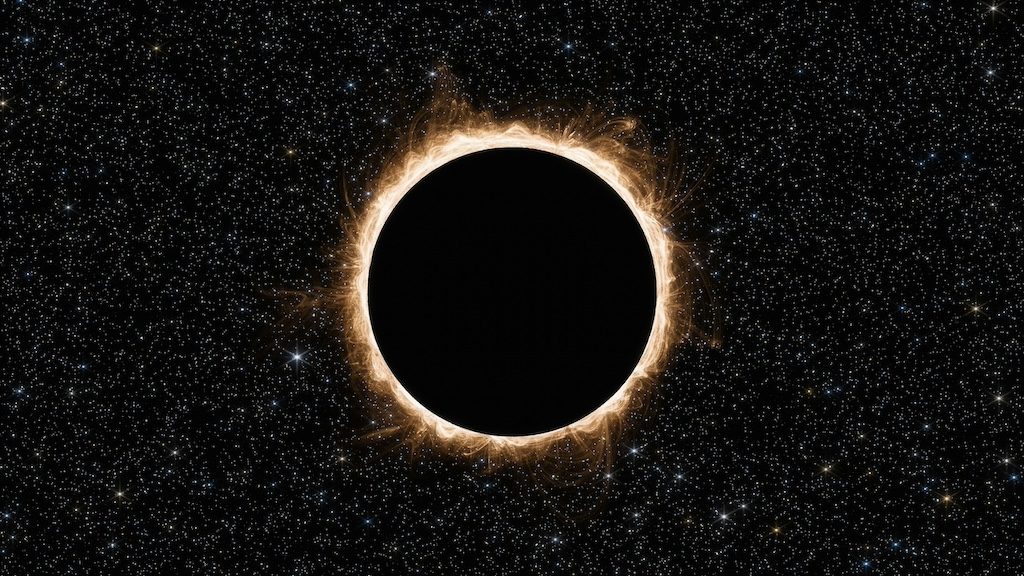
You might still be recovering from the eclipse mania of 2026, but here's the thing: the real show is coming. In early August 2027, the longest total solar eclipse of the entire century will unfold across a strip of land stretching from Spain through North Africa and deep into the Middle East. We're talking six and a half minutes of totality in some spots, and bookings are guaranteed to explode all over again.
The 2026 eclipse already rewrote the travel playbook. Iceland, which hadn't seen a total eclipse since 1954, drew around 80,000 eclipse chasers. Spain, which hadn't experienced one in 121 years, braced for up to six million visitors. But 2027 is shaping up to be the grand finale that makes 2026 look like a warm-up act.
Where the shadow will fall
The path of totality cuts through a remarkable roster of countries and territories: Spain, Gibraltar, Morocco, Algeria, Tunisia, Libya, Egypt, Saudi Arabia, Somalia, Yemen, and chunks of the Atlantic and Indian oceans. Iconic cities are directly in the line of fire.
- Marbella, Spain will experience nearly three and a half minutes of darkness
- Gibraltar gets four minutes and 28 seconds, making it an attractive option for Europeans who want to skip long-haul flights
- Tangier, Morocco offers almost five minutes of totality
- Sfax, Tunisia will go dark for two minutes and 56 seconds
- Jeddah and Mecca, Saudi Arabia both exceed five minutes in the moon's shadow
But Egypt is where the eclipse story gets truly compelling. The Siwa Oasis will offer reflections dancing across salt lakes with dramatic desert backdrops, while the ancient Shali Fortress provides an otherworldly stage for five minutes and 33 seconds of totality. The Bahariya Oasis is another strong contender for desert eclipse viewing. Capture the 2026 Eclipse Without Destroying Your Camera offers tips that will apply equally to 2027.
The heavyweight destination
Luxor is stealing most of the spotlight, and for good reason. The eclipse will last six minutes and 22 seconds there, combining extended viewing time with virtually guaranteed clear skies above some of humanity's most magnificent ancient monuments. Lonely Planet once described Luxor's temples as possessing a "scale and grandeur" unmatched anywhere on Earth. Now imagine watching the sun disappear behind the moon while standing in that landscape. That's not just an eclipse, that's transcendence.
Asyut, further south, will experience just over six minutes of totality. It's more off the beaten path, steeped in history and religious heritage, and appeals to seasoned travelers comfortable venturing beyond typical tourist zones. The experience here feels rawer, less crowded, more immersive.
The infrastructure challenge
Here's where the conversation gets real. Lampedusa, the Italian island accessible mainly by ferry, sits in the eclipse path but has limited capacity. Gibraltar faces similar infrastructure concerns despite its appeal. Europe's Biggest Eclipse in 30 Years Will Pack Hotels Faster Than You Can Book highlighted exactly this problem in 2026, and 2027 will amplify it tenfold.
The lesson from 2026 is clear: popular spots fill up fast. Morocco's proximity to Europe, Egypt's legendary status as a bucket-list destination, and Spain's established tourism infrastructure will all pull crowds toward the same handful of locations. If you're serious about witnessing this eclipse, start planning your logistics now. Book accommodations early. Consider less obvious towns in the totality path. Scout alternative viewing spots that won't collapse under visitor pressure.
The 2027 eclipse isn't just another celestial event to observe casually. It's the eclipse of the century, arriving only once in your lifetime, with the longest period of darkness available anywhere on the planet. The question isn't whether you should go. It's whether you'll be ready when August arrives.