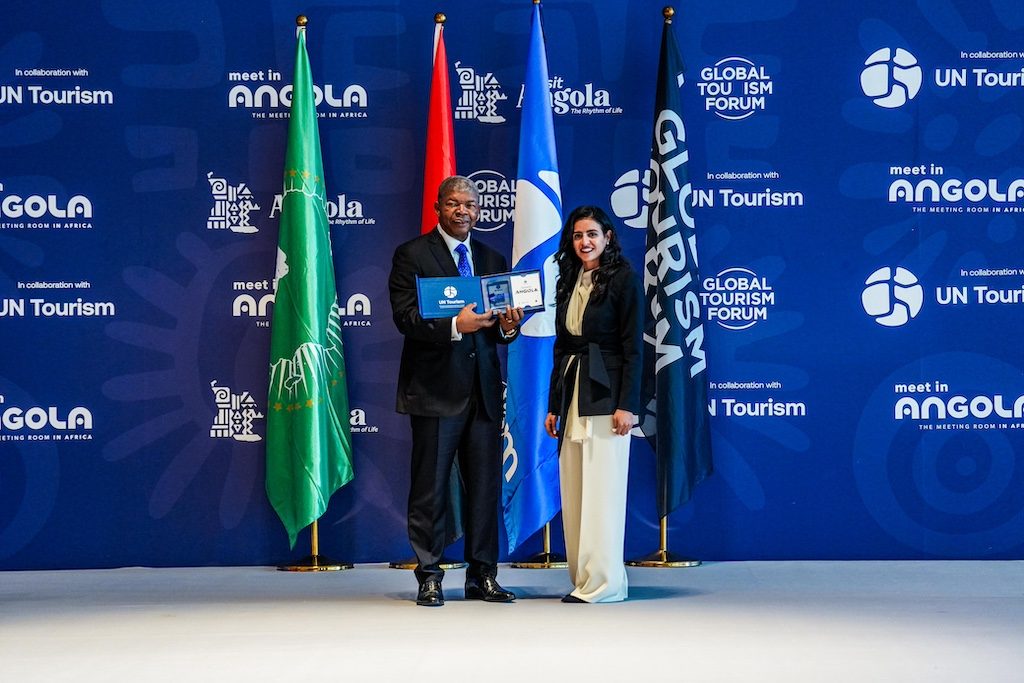
Luanda is about to become ground zero for a different kind of travel conversation. When the Global Tourism Forum Investment Summit takes over the capital from June 17 to 19, 2026, over 1,000 heavy-hitters will descend on the city: sovereign wealth fund managers, government ministers, aviation executives, and institutional investors hunting for the next big opportunity.
This isn't a typical tourism trade show. The summit exists to do one thing: prove that tourism isn't just about hotel rooms and beach holidays anymore. It's about building airports, powering cities, generating jobs across entire regions, and creating real wealth for countries smart enough to invest early.
Why Angola, Why Now
Angola's moment feels intentional, not accidental. The country just wrapped its turn hosting ITB Berlin 2026, one of the world's largest travel industry gatherings, where it got to showcase itself as a serious destination on the global stage. That visibility matters. Now Luanda is capitalizing on the momentum by hosting its own investor-focused event, complete with private meetings, panel discussions, and deal-making sessions designed to turn interest into capital commitments.
What's Angola actually selling? Infrastructure development, cross-border investment opportunities, and integration with broader continental growth. The summit agenda stretches beyond hotels and airlines. Sessions will cover smart city development, renewable energy projects, maritime tourism (yes, that's connected to Will Smith's recent visit for the Luanda Grand Prix electric boat racing series), and digital infrastructure. Tourism is the hook, but economic transformation is the real prize.
Angola's Minister of Tourism, Márcio Daniel, has openly called tourism "green oil." That language signals something important: the country sees tourism as a clean alternative to traditional extractive industries, and it's ready to build around that vision. Angola quietly became Africa's tourism bet, and this summit is the moment it stops being quiet.
The Investors Actually Coming
The participant list reads like a who's who of global capital: sovereign wealth funds, regional development banks, hotel operators, tech companies betting on connectivity solutions, and government officials from across Africa exploring what tourism-led development could look like for their own countries. These aren't curious tourists. These are people writing checks.
Julia Kleber, CEO of Kleber Group, summed it up bluntly: Angola is a place where tourism and investment are evolving together. That's not hyperbole. The country has natural resources, emerging infrastructure, and a government actively pushing economic reform. For investors tired of saturated markets in Europe and North America, Angola represents genuine frontier opportunity.
Why the Timing Matters
The summit was originally scheduled for May, then shifted to June to accommodate international travel disruptions. That rescheduling actually worked in Angola's favor by allowing for expanded programming and broader participation from global markets. The delay also meant planners could fine-tune the agenda around concrete investment projects rather than just proposals.
Public-private collaboration will be central to every session. The summit isn't about tourism operators pitching packages to each other. It's about governments and businesses aligning on policy frameworks, investment models, and scalable strategies. Sessions will tackle intra-African connectivity (how tourists and capital move between countries), the rising African middle class (who has actual spending power), and technology's role in pulling it all together.
Luanda just hosted Africa's biggest tourism power play when it welcomed ITB Berlin's focus. Now it's doing it again, but with investor checkbooks in the room.
What This Means for the Continent
Angola's move signals a shift happening across Africa: tourism is no longer treated as a secondary industry. It's recognized as a primary driver of infrastructure investment, job creation, and foreign currency earnings. When a country commits to tourism development, it builds airports, ports, power plants, and digital networks that benefit everyone living there. Hotels need suppliers. Airports need maintenance workers. Tourism creates jobs from front desk to supply chain management.
The June summit will be watched closely by other African nations. If Angola successfully converts investor attention into concrete deals and capital flows, other countries will follow suit. Similar summits are happening globally, but Africa's angle feels different. The continent isn't trying to optimize tourism that already exists. It's building tourism from the ground up while building everything else simultaneously.
Luanda itself is fast becoming unrecognizable from a decade ago. New developments, emerging neighborhoods, infrastructure projects everywhere. The summit reflects that momentum and gives it a financial backing. If Angola plays this right, June 2026 could mark the moment African tourism stopped being marginal to global capital and started being something investors can't afford to ignore.