
Amsterdam has never been shy about taxing its visitors, and it's about to get even bolder. The city council has voted to raise the tourist tax from 12.5% to 16% on overnight accommodation, starting in January 2027. That might sound like a small bump, but when you factor in the recent VAT increase on hotels (which jumped from 9% to 21%), the total tax burden on a night's stay will hit a staggering 33.5% in combined taxes.
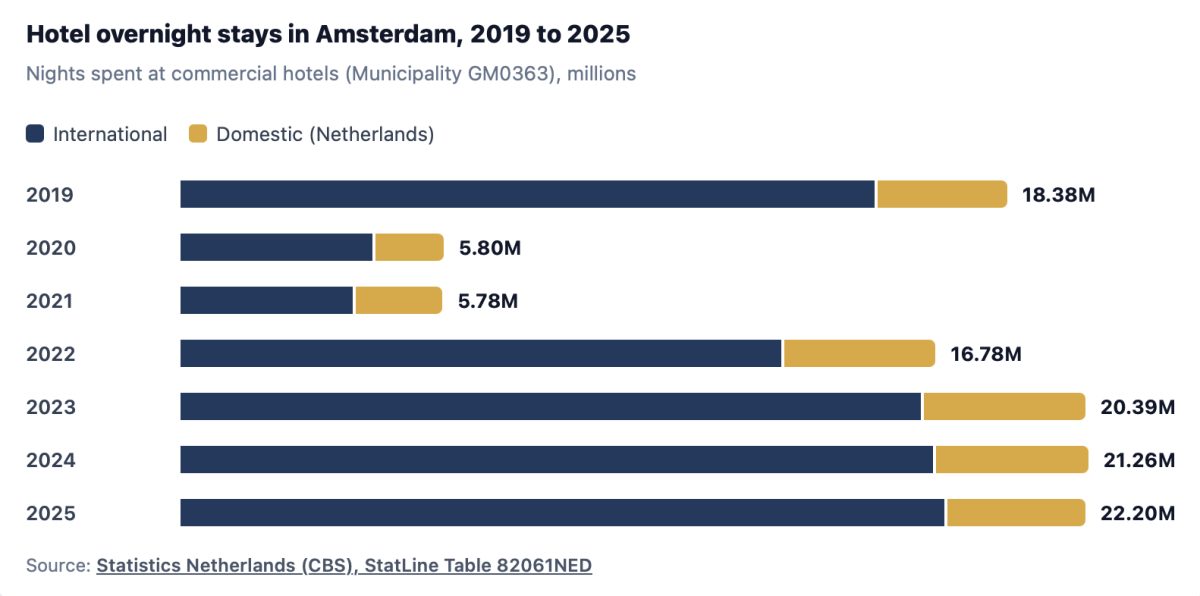
The move is part of a long-standing effort to cap overnight visitors at 20 million per year, a target set back in 2021 to ease the strain on public spaces and residents' quality of life. But here's the twist: that cap has been blown past every single year since it was introduced, according to official city data. So the tax is less about hitting a number and more about making sure tourists pay for the mess they leave behind.
Who Pays and How Much
The tax applies to every type of overnight stay, from hostels and campsites to luxury hotels and rental apartments. There's no escape. Cruise passengers aren't spared either, they pay a flat €15 per person for day visits. The city argues that this revenue funds essential services like street cleaning, security, and waste collection, keeping the burden off local taxpayers.
But not everyone is on board. A group of 47 business leaders recently signed an open letter urging the council to rethink the flat-rate approach. Their argument? The tax punishes guests who book pricier rooms, since the higher the nightly rate, the more tax they pay. That could actually discourage high-spending tourists from staying in Amsterdam at all, while encouraging budget travelers who might just "hang around" without contributing much to the local economy.
A Tapered Tax Could Be the Answer
Opponents suggest a tapered rate, where the percentage decreases as the room price goes up. That way, premium bookings wouldn't be penalized, and the city could still rake in revenue from budget stays. It's a clever idea, but the council isn't budging. For now, the flat rate stays, and there's even talk of pushing it to 20% in the future, according to Travel Tomorrow.
If you're planning a trip to the Dutch capital, you've got a window before the hike hits. Book a winter city break before January 2027 and you'll lock in the current 12.5% rate. After that, your hotel bill will feel noticeably heavier. And if you're looking to save on transport, check out the Amsterdam to Berlin train route, which is set to get faster, though you'll need some patience.
Amsterdam isn't alone in this trend. Other European cities are grappling with overtourism and turning to taxes as a solution. Barcelona's new tourism strategy takes a different approach, saying no to more visitors altogether. And England's new tourist tax might just send some travelers packing. The question is whether these measures actually work or just make travel more expensive for everyone.
For now, Amsterdam's council has won the argument, but the debate is far from over. The city is betting that higher taxes will thin the crowds, but with visitor numbers still breaking records, it's unclear if that bet will pay off. One thing's for sure, your next Amsterdam getaway is going to cost more, so plan accordingly.