Something remarkable is happening on the Belgian coast. After years of tourists chasing endless sunshine in Mediterranean hotspots, travelers are rethinking their summer plans. And American visitors are leading the charge into this quiet corner of Northern Europe.
New payment data reveals that US tourists accounted for 23.5% of all foreign spending in Belgium between June and August this year, significantly outpacing visitors from France, the Netherlands, and the UK. In Brussels alone, Americans represented a staggering 42.7% of foreign card transactions. While Americans may not be Belgium's most numerous visitors overall (that distinction belongs to the Dutch), they certainly spend like they own the place.
The irony is delicious. Less than a decade ago, a certain American president dismissed Brussels as a "hellhole" and somehow confused Belgium with a city. Yet instead of dampening tourism, this geographical confusion may have done more to put Belgium on the map than any official marketing campaign. Sometimes the worst publicity turns out to be the best advertising.
Where the money flows
While Americans lead in total spending volume, the picture becomes more nuanced when looking at individual transactions. Austrian visitors actually spend more per purchase, averaging 127 euros, followed by Chinese tourists at 99 euros. But Americans make up for their modest per-transaction averages with sheer volume and frequency.
Shopping dominates foreign visitor spending across Belgium, with nearly half of all purchases going toward chocolate, souvenirs, jewelry, clothing, and books. The coastal towns are where wallets really open up. Knokke-Heist, often called Belgium's answer to the French Riviera, recorded the highest average spend at 70 euros per transaction, followed by De Haan at 67 euros and Ostend at 65 euros.
The coast strikes gold
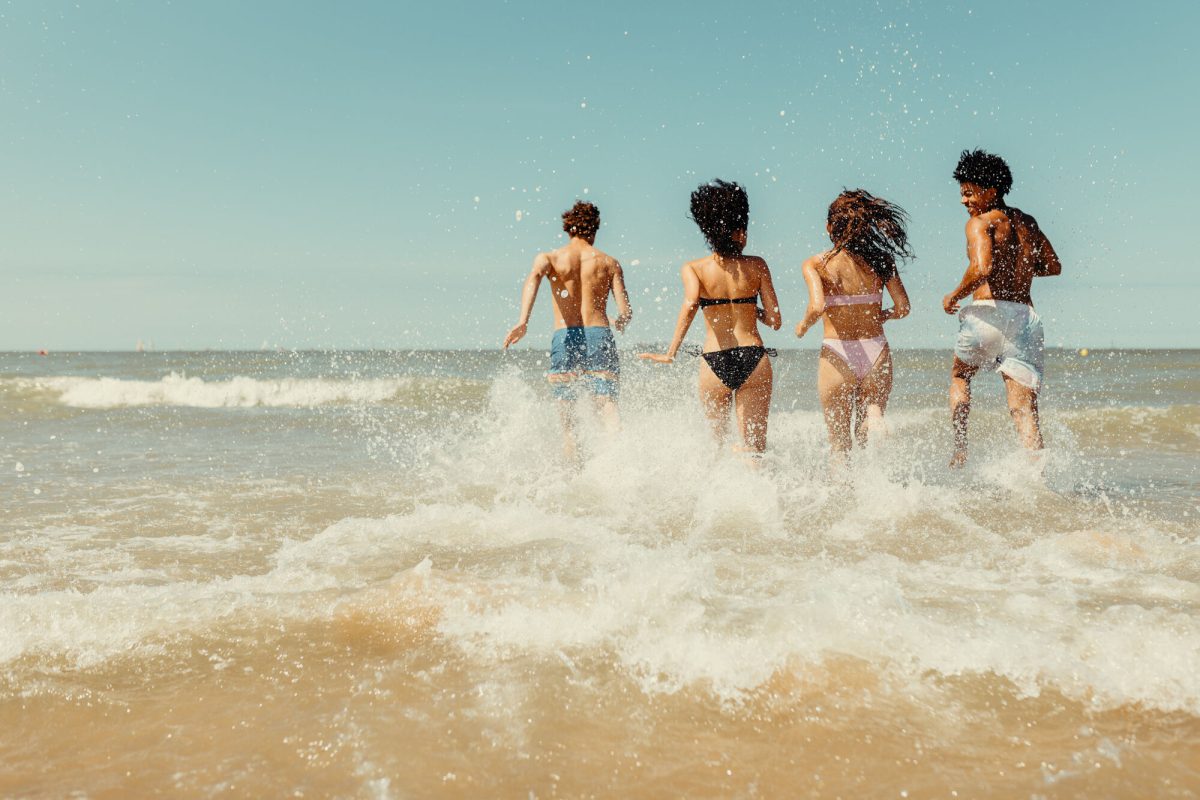
The Belgian coast is experiencing a watershed moment. The region welcomed 11.2 million overnight stays during July and August alone, nearly 10% more than the previous summer. Day visitors flooded in too, with 6.1 million recorded over those two months. This represents the highest day-tripper count since the Covid pandemic upended travel patterns.
Why the sudden surge? Blame climate change. Europe's Mediterranean regions have been hammered by record heat and wildfires, sending travelers searching for cooler escapes. The North Sea coast offers exactly what overheated holidaymakers need: temperatures that actually stay manageable and beaches where you don't feel like you're melting into the sand.
"The summer of 2026 was a triumph for the Belgian coast," said Jurgen Vanlerberghe, West Flanders provincial deputy for tourism. "From June onwards, the summer feeling was in full swing and it persisted throughout the holiday." July alone drew 5.6 million overnight stays, with August expected to match that figure.
A broader Belgian tourism boom
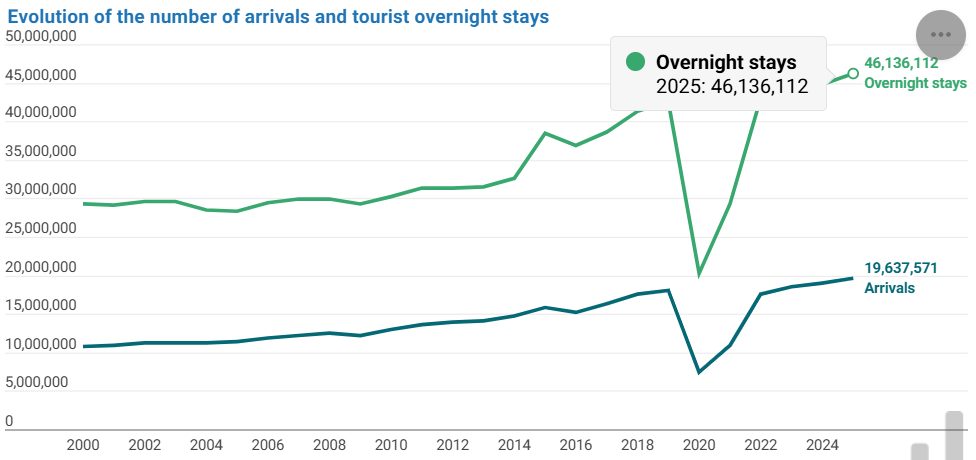
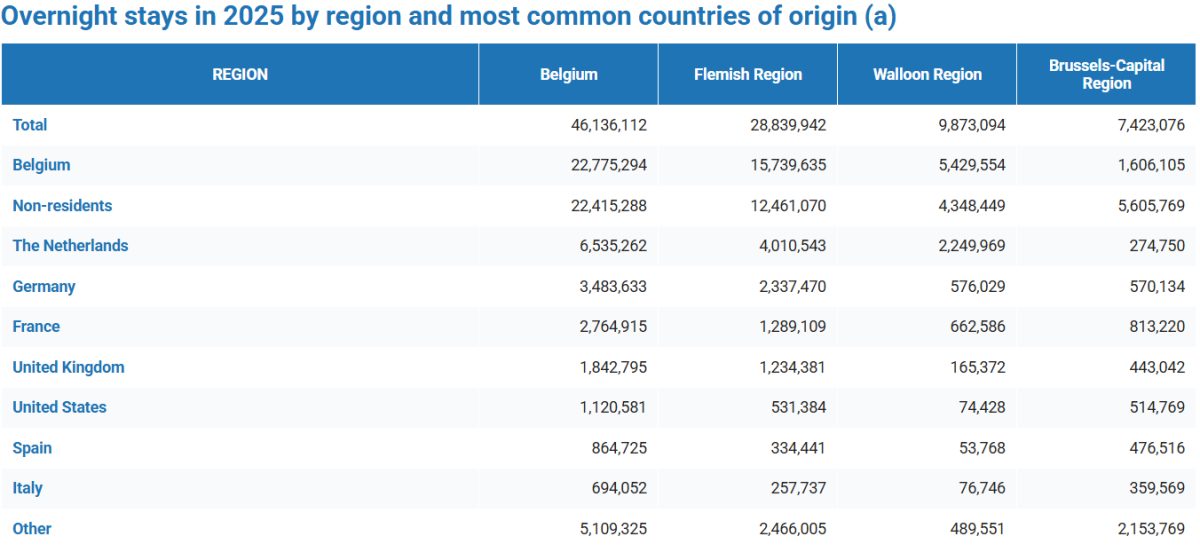
The coastal success story is part of a much larger shift reshaping European travel. Europe captured one-third of all leisure travel spending in 2025, and Belgium has positioned itself perfectly within that trend. The entire country registered over 46.1 million overnight stays in 2025, up 2.9% year-on-year, with international visitors driving even stronger growth at 4%.
Americans may rank fifth among Belgium's foreign visitor nationalities by volume (behind the Netherlands, Germany, France, and the UK), but their financial impact is outsized. Last year, American travelers logged over 1.1 million overnight stays in Belgium. This summer's spending data suggests that number is climbing, and so is the average visitor's wallet size.
For travelers tired of fighting crowds at overcrowded Mediterranean beaches and worried about scorching heat, Belgium's cooler coast offers a refreshing alternative. The combination of manageable temperatures, walkable medieval cities, world-class chocolate, and suddenly accessible American tourist dollars is reshaping travel patterns across Europe. Whether that's a blessing or a curse for the locals remains to be seen.