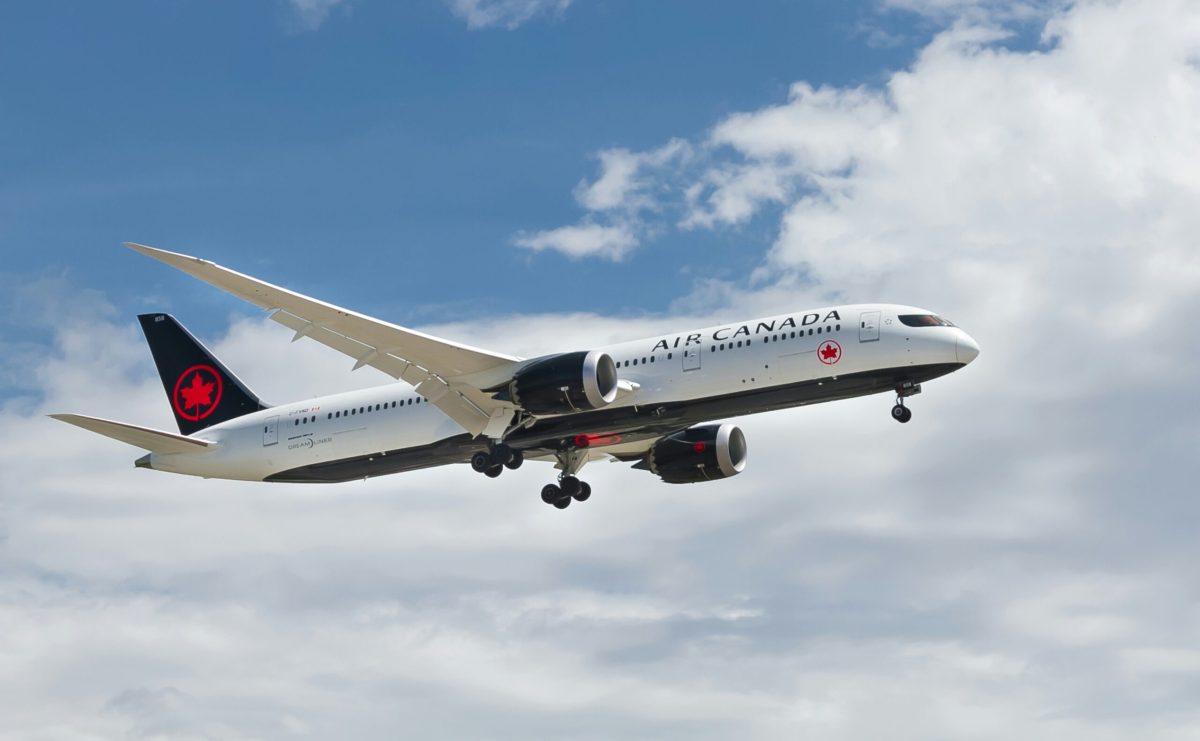
On March 22, 2026, a devastating collision at New York's LaGuardia Airport claimed the lives of Air Canada pilot Antoine Forest and first officer Mackenzie Gunther. Days later, Air Canada released a statement expressing sympathy for those affected by the tragedy. But what should have been a moment of unified mourning instead ignited a firestorm about language, respect, and leadership in Canada.
The company published a video in which CEO Michael Rousseau expressed his condolences, speaking entirely in English. While the airline added both English and French subtitles, the visual message was unmistakable: the head of Canada's largest airline had chosen not to address French-speaking Canadians in their own language. For many, this felt like a missed opportunity for compassion at a sensitive moment.
What made this particularly stinging was the context. Pilot Forest hailed from Quebec, Canada's predominantly French-speaking province. French is one of Canada's two official languages, enshrined in law and deeply woven into the nation's identity. When Rousseau finally acknowledged the criticism, he apologized and explained that despite taking language lessons, he couldn't express himself adequately in French. The admission only amplified the controversy.
The Firestorm That Followed
Canadian political leaders didn't hold back. Prime Minister Mark Carney and Quebec Premier François Legault both criticized Rousseau, with Legault suggesting the CEO should resign if he couldn't communicate in French, particularly on such a solemn occasion. The conversation quickly shifted from mourning two lost aviators to questioning whether Rousseau was fit to lead a company operating across a bilingual nation.
This wasn't Rousseau's first brush with this issue. When appointed CEO in 2021, he was already known as an anglophone living in Montreal. He pledged then to improve his French language abilities, understanding that Canada's Official Languages Act obligated the company to maintain bilingual operations. Yet five years later, the fundamental problem remained unresolved.
A Leadership Change
On March 30, 2026, Air Canada announced that Rousseau would retire by the end of the third quarter of 2026. His statement acknowledged his honor serving the airline, while the board thanked him for steering the company through the 2008 financial crisis, the COVID-19 pandemic, and other challenges. They highlighted his role in acquiring Aeroplan, restoring pension plan solvency, and improving customer experience and employee satisfaction.
Yet for all those accomplishments, Rousseau couldn't overcome the linguistic and cultural expectations that come with leading Canada's flagship carrier. His departure raises serious questions about what qualifications matter most in executive leadership, and whether corporate leadership reflects the communities they serve. For travelers wondering about the future direction of Air Canada, this transition signals a shift toward leadership more attuned to Canada's bicultural identity.
The incident also highlights broader tensions within Canadian travel and business. As someone who has worked in Montreal, Rousseau's struggles with French underscore how language barriers can undermine even seasoned executives. Whether his successor will navigate these cultural sensitivities more successfully remains to be seen, but the airline clearly faces pressure to choose a leader who can authentically represent all of Canada. For bilingual travelers and Quebec residents, this leadership change may finally bring the inclusive approach they've long expected from the nation's largest airline.