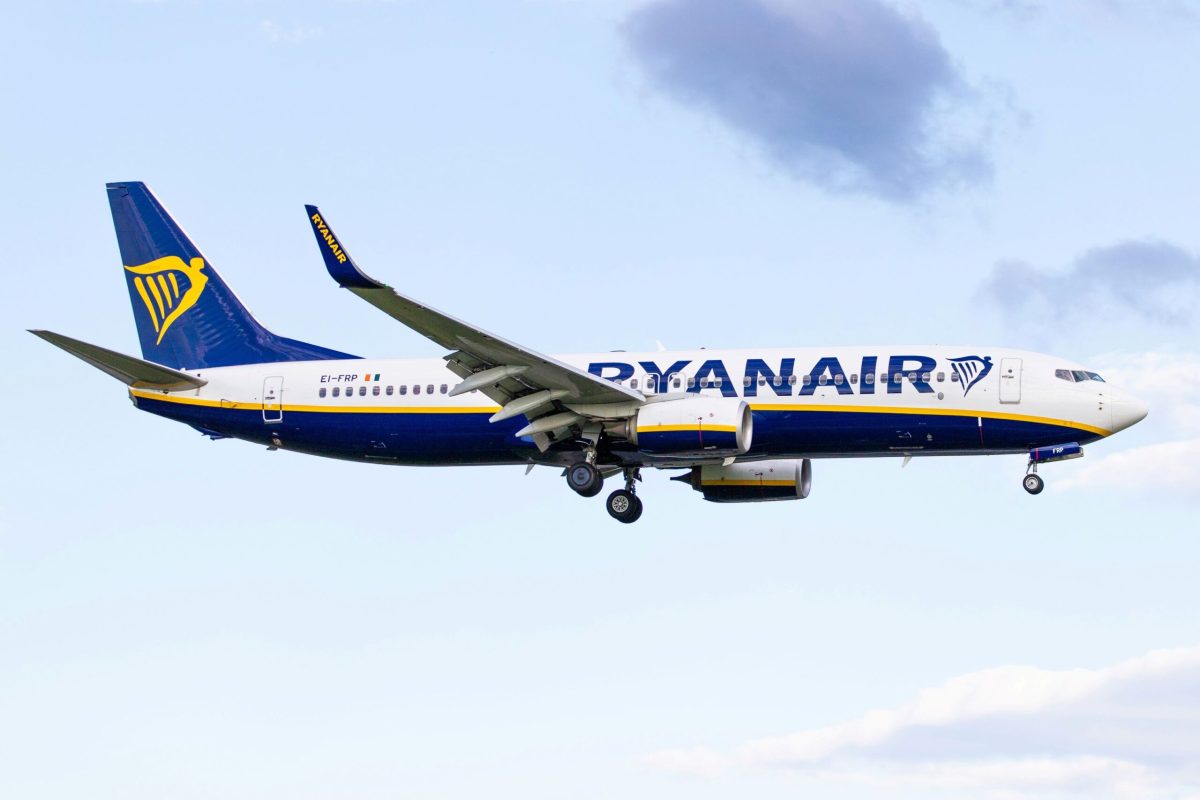
Storm Amy had other plans for flight FR3418. The Ryanair Boeing 737-800, carrying 171 passengers and six crew, left Pisa International Airport on the afternoon of 3 October 2025, bound for Glasgow Prestwick. The weather forecast across Scotland and northern England was grim, so the pilots loaded extra fuel to cover potential delays and diversions. It wasn't enough.
As the aircraft approached Prestwick, the winds were howling. A windshear warning blared at just 264 feet, forcing the crew to abort the landing and climb back into the murk. A second attempt ended the same way. The pilots requested a diversion to Manchester, their preferred alternative because conditions there looked more manageable. But the request was refused. According to the UK's Air Accidents Investigation Branch (AAIB), a breakdown in communication at Manchester Airport meant the diversion was rejected even though airport policy said it should have been accepted.
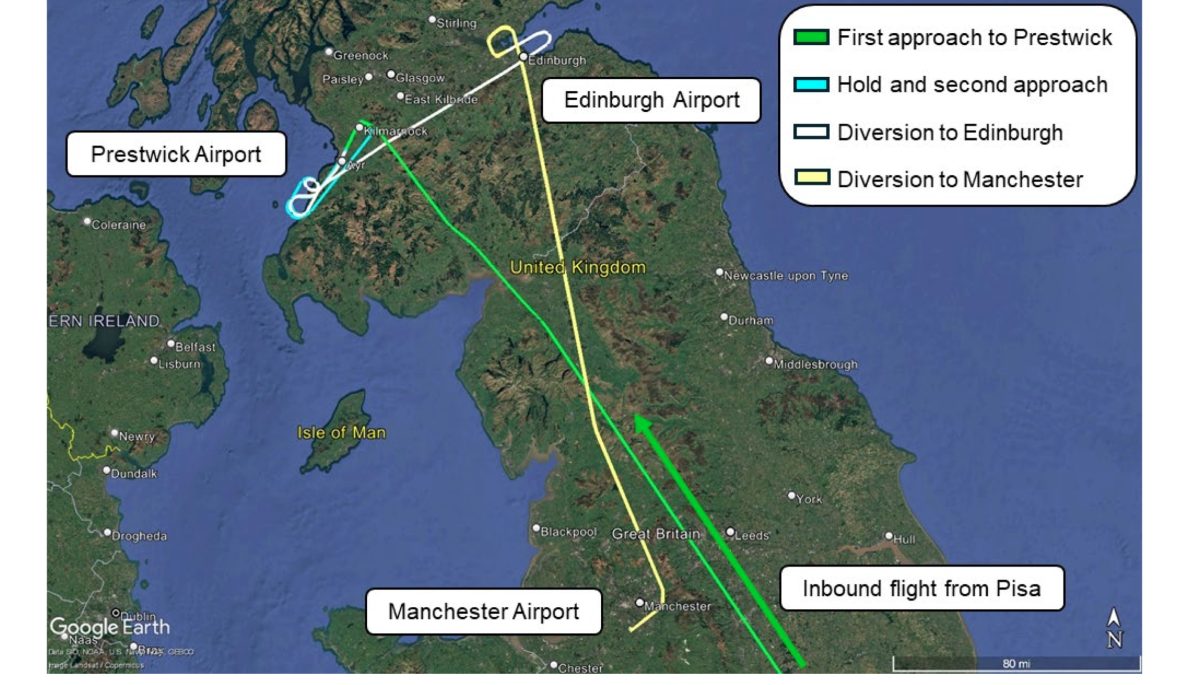
So the crew turned toward Edinburgh instead. Conditions there weren't much better. A third windshear warning forced another go-around, and the fuel gauges kept dropping. The commander made a call: head to Manchester anyway. By then, calculations showed the aircraft would arrive with far less than the required final reserve of around 1,100 kg. The crew declared "MAYDAY MAYDAY MAYDAY FUEL" and requested immediate priority.
The aircraft touched down safely at Manchester with just 363 kg of fuel remaining. By the time it taxied to the gate and the engines shut down, that number had fallen to 240 kg. For context, a Boeing 737-800 burns roughly 2,500 kg of fuel per hour in cruise. The pilots had minutes, not hours, to spare. The AAIB classified the event as a "serious incident" and noted that another go-around at Manchester would likely have been impossible.
The investigation highlighted the intense pressure on the flight crew as the fuel situation deteriorated. High workload, stress, and a rapidly closing window of options. The report also noted that once the commander decided on Manchester, the crew didn't consider Newcastle, which was closer. But with fuel that low, every decision carried weight.
For travelers, this incident is a stark reminder of how weather can upend even the most routine flight. Storm Amy brought gale-force winds, relentless rain, and windshear that made landing attempts futile. The crew's decision to load extra fuel before departure was prudent, but the refusal at Manchester, followed by the failed Edinburgh attempt, pushed the aircraft to the edge.
Manchester Airport has since reiterated that diversion requests should be accepted when the airport has capacity, and that the decision doesn't rest with the aircraft's handling agent. A clear policy, but one that failed in the heat of the moment.
The aircraft landed without injuries or reported damage, and passengers likely never knew how close they came. But for aviation safety experts, this incident is a case study in how communication breakdowns can compound an already dangerous situation. It's also a reminder that emergency diversions are never routine, even when they end safely.
For those planning winter travel to Scotland or northern England, the lesson is simple. Weather can change fast, and airlines may not always have a perfect plan. Check your flight status, build in buffer time, and consider travel insurance that covers weather-related disruptions. And if you're curious about how airlines manage fuel and diversions, the AAIB report is a fascinating, if sobering, read.
Storm Amy has passed, but the questions it raised about airport coordination and fuel management remain. For now, the crew of FR3418 deserves credit for getting everyone down safely, even with the odds stacked against them.